The era of “post and pray” is over. Viral videos today aren’t just lucky accidents — they’re tiny, engineered chaos machines built to hijack your scroll, farm your attention, and live rent-free in your brain. From micro-length chaos clips to AI-remixed nostalgia, the new wave of viral content is faster, louder, and way smarter than it looks.
If you’ve ever watched a video “just one more time” and suddenly lost 20 minutes of your life, this is why. Let’s break down the 5 biggest viral video shifts everyone on your FYP is low-key obsessed with — and why creators (and brands) are sprinting to keep up.
1. Blink-And-You-Miss-It Clips Are Beating Full Videos
Right now, the internet doesn’t just favor short content — it’s rewarding hyper-short chaos. We’re talking 3–7 second clips that feel like screenshots in motion: a single facial expression, a random camera zoom, one perfectly-timed sound bite, then loop.
These micro-clips win because:
- They’re designed to be rewatched on loop (hello, accidental 10 views).
- They double as reaction material for other creators.
- They fit seamlessly into TikTok, Reels, Shorts, and even X posts.
Creators are cutting longer videos into “viral atoms”: tiny, standalone moments that can travel way farther than the original content. That half-second eye-roll, that dog doing a glitchy spin, that one line that sounds like it belongs in every meme edit? Those are the new currency.
Shareability tip: If a moment in your video could work as a reaction meme or sound bite on its own, clip it and post it separately. Your “throwaway” micro-moment might become your main event.
2. AI Remix Culture Is Turning Every Video Into Source Material
The internet has collectively decided that no video is “finished” anymore. It’s just raw material waiting to be remixed. With AI video and audio tools going mainstream, every clip has infinite alternate timelines:
- Your normal talking video? Dubbed into 5 languages with cloned voices.
- That dance trend? Recreated with AI avatars in outfits you never owned.
- A random street interview? Turned into a full-blown music track.
Remixable videos are exploding because they invite the audience to play with content, not just watch it. When a format is easy to copy — same audio, same structure, simple edit — it becomes a challenge, not just a trend.
We’re seeing:
- AI “covers” of viral audios using celebrity voices.
- Fan-made edits that out-viral the original.
- Template-style videos where creators drop themselves into the same funny structure.
Want your content to travel? Make it remix-friendly: use clean audio, simple framing, and a clear “hook moment” that others can easily recreate or transform.
3. “First-Person Chaos” Videos Are Beating Polished Edits
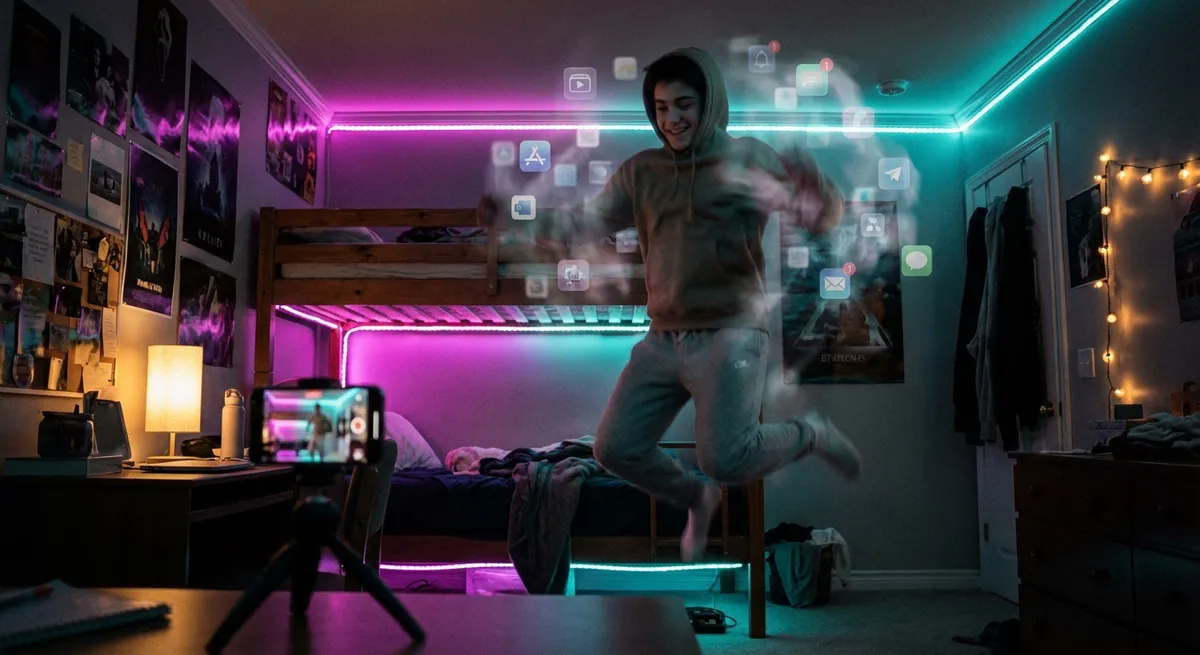
Audiences are over super-sterile, brand-perfect videos — the stuff that looks like an ad gets treated like one and skipped instantly. What’s winning instead? First-person chaos: shaky camera POVs, front-camera storytelling, someone filming while out of breath, laughing, or mid-crisis.
These videos feel:
- Unfiltered, even when they’re low-key staged.
- Urgent — like you’re getting live tea right now.
- Intimate, like FaceTiming a friend, not watching a commercial.
- “You’re not gonna believe what just happened…” storytelling.
- Front-camera confessionals from bed or the car.
- Messy behind-the-scenes clips where stuff goes wrong.
Think:
Brands are even faking “accidental chaos” now (think: “We weren’t gonna post this but…” energy) because they know the internet trusts accidental vibes more than anything too sleek.
If your video feels like it could only exist in a polished ad campaign, it’s probably missing the rawness that actually drives shares.
4. Hyper-Specific Relatable Moments Are Outperforming Broad Jokes
The new viral sweet spot isn’t “this is relatable” — it’s “this is so specific I feel personally attacked.” Instead of generic jokes, creators are zooming in on painfully niche micro-moments that make people tag friends instantly.
Examples:
- That oddly specific way your mom knocks when she’s about to barge in.
- The exact chaos of trying to unmute on a work call while your pet is screaming.
- The way you rewatch a video for the one background detail no one else noticed.
- They feel like inside jokes with strangers.
- They make people feel seen in very niche ways.
- They encourage quote-posting and tagging (“this is literally you”).
These hyper-specific videos spread because:
The more weirdly specific you get, the more likely some corner of the internet will adopt it as their thing and push it viral.
5. Cross-Platform Moments Are The New Viral “Boss Level”
A video isn’t truly “gone” viral anymore until it escapes its home app. The biggest hits don’t just live on TikTok or Reels — they jump to X, YouTube, Instagram, Reddit, group chats, and even mainstream news.
What makes a video cross-platform:
- It works muted and with sound (memes, visuals, captions).
- It has one instantly recognizable frame or quote that screenshots well.
- It can be turned into GIFs, still memes, or short reposts easily.
- TikTok clips reposted as Instagram carousels and X quote memes.
- One viral sound spawning thousands of edits across platforms.
- Short chaotic clips pulled into news segments and reaction compilations.
We’re seeing:
Creators who think “multiverse first” — making content that can live as a vertical short, a meme image, a remix audio, and a GIF — are the ones racking up insane reach without remaking everything from scratch.
Conclusion
Viral videos now are less about one perfect post and more about building moments that can be clipped, remixed, memed, and re-lived across platforms. Hyper-short chaos, AI-powered remixes, raw first-person energy, painfully specific scenarios, and cross-platform-friendly formats are quietly rewriting the rules of going viral.
If you want your content in everyone’s group chat, don’t just ask, “Is this a good video?” Start asking, “Is there a moment in here that people will want to replay, reuse, and re-share in their own way?” That’s where the real virality lives now.
Sources
- TikTok Creative Center – Trend Insights - Live data and examples on trending sounds, formats, and video styles across regions.
- Google – The Short-Form Video Playbook - Breaks down why short-form video works and how creators and brands can adapt content for attention spans.
- Pew Research Center – Social Media and Video Sharing - Stats on how people are using TikTok, YouTube, Instagram, and other platforms to watch and share short videos.
- YouTube Official Blog – The Rise of Shorts - Insight into how YouTube Shorts is shaping short-form culture and creator strategies.
- Meta – Reels Best Practices - Practical tips from Meta on what makes Reels perform and how to optimize short, viral-ready clips.
Key Takeaway
The most important thing to remember from this article is that this information can change how you think about Viral Videos.