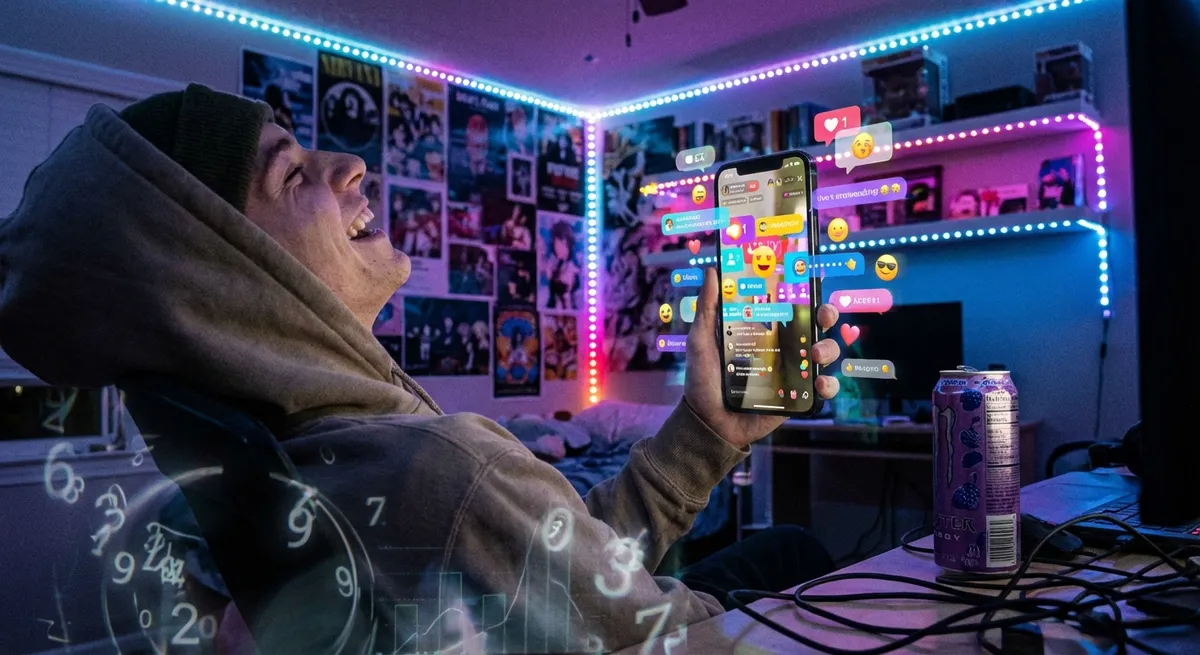
You can feel it, right? That tiny chaos buzz when you hit “post” and low‑key hope the algorithm treats your video like royalty. Viral videos aren’t random lightning strikes anymore—they follow patterns, behaviors, and “signals” that show up before the views go nuclear.
We’re breaking down five viral signals social pros are quietly watching: the moment your comments flip, the exact type of share that matters most, and the underrated metric almost nobody talks about but every viral clip has.
Screenshots ready—this is the kind of guide your group chat will spam.
1. The Comment Section “Flip”: When Viewers Start Talking To Each Other
You know a video is heating up when the comments stop aiming at you and start turning into mini group chats. In the early stage, comments are all: “lol,” “this,” “omg I relate.” The flip happens when people begin replying to strangers, arguing, adding stories, or dropping “Part 2?” before you’ve even thought about it. That’s conversation density—and it’s one of the clearest early signs a video has viral potential.
On TikTok, Instagram Reels, and YouTube Shorts, algorithms reward content that keeps people on the platform, and back‑and‑forth replies are pure gold. When your comments evolve into threads, the platform reads it as: “This video = social glue.” Even negative or chaotic comment wars can boost retention, as long as people stay and engage. Smart creators pour gasoline on this moment: pin messy or funny comments, reply with video responses, or ask an open question in the caption to keep the chaos looping.
2. Save-Worthy > Like-Worthy: The Quiet Metric That Predicts Momentum
Likes are the loud applause. Saves are the whisper that says, “I’m coming back to this.” And that whisper is what platforms secretly love. A save or bookmark screams long‑term value—tutorials, hacks, recipes, workouts, scripts, outfit inspo, editing tricks—anything people want to revisit or show someone later.
Creators who consistently hit “save-bait” status usually follow one of three formulas:
- Hyper-practical: “Do this before your next job interview,” “3 camera angles that make any room look expensive,” “How to fix overexposed footage in 5 seconds.”
- Repeatable formats: Things viewers want to copy for their own content—sound templates, hooks, shot lists, or caption formulas.
- Transformation content: Before/after edits, home makeovers, glow-ups, visual comparisons that people want to rewatch or recreate.
When saves start climbing faster than likes, you’ve tapped into utility, not just entertainment. That’s the kind of content that not only goes viral, but keeps resurfacing on feeds weeks later. Watch your analytics: if saves per view spike, you may be sitting on your next signature format.
3. Duets, Stitches, Remixes: When Your Video Turns Into A Template
The real viral flex is when people stop just reacting to your video—and start building on top of it. Duets, stitches, remixes, green-screens, “use this sound,” “use this format”: that’s the ecosystem phase. Your video becomes a meme template, a soundboard, or a default format for everyone else’s content.
Clips that morph into templates usually have at least one of these:
- A strong POV line: A single sentence that anyone can reply to, argue with, or twist into their niche.
- A sound that slaps: Dramatic pauses, comedic timing, or unexpected audio combinations that feel instantly reusable.
- An open-ended structure: “Show me X without telling me X,” “POV: ___,” “First slide vs. last slide,” or “Here’s the moment everything changed…”
Once you spot people using your audio or copying your structure, lean in. Name the trend, feature the best remixes, and encourage people to “add their version.” Platforms love content that multiplies itself—if your video sparks a format, the algorithm treats it like a seed, not just a single post.
4. Micro-Communities Pick It Up Before The Masses
The internet doesn’t go viral all at once anymore. Clips quietly dominate tiny corners of the web before they spill into the mainstream feed. If your video starts bouncing through fan accounts, niche subcultures, or oddly specific communities (“teacher TikTok,” “film nerd Twitter,” “gym meme IG,” “K‑drama edits,” “small business side of YouTube Shorts”), you’re seeing a classic pre-viral pattern.
Micro-communities are powerful because they share fast and intensely. Their comments hit different: inside jokes, hyper‑specific references, stitch ideas, and “omg this is SO our side of the app.” The more subcultures your video jumps across, the more resilient the virality becomes. One strategy to tap into this: bake in at least one highly niche detail in your video (a workplace reference, a creator in‑joke, a fandom nod), then pair it with a more universal emotion (stress, joy, cringe, nostalgia). That combo makes both the niche and the mainstream feel personally targeted—and that’s share fuel.
5. The Rewatch Loop: When People Don’t Just Watch…They Study It
Views are one thing. Replays are another. The videos that really blow up usually trigger the “wait, play that again” reflex. That rewatch loop can come from: hidden details, fast cuts, sync with a beat drop, punchlines that land visually, or twists that make viewers try to catch the setup. Platforms can detect when someone replays, scrubs back, or watches to the end multiple times, and that kind of retention is algorithm candy.
Study the viral clips you love and you’ll spot it: the unexpected object in the background, the jump cut perfectly timed to a lyric, the reveal that only makes full sense on the second watch. Creators often design for this on purpose—packing small visual easter eggs, speeding up the pacing so you can’t catch everything in one go, or adding on-screen text that takes just a bit longer to read than a single loop. If you can make a viewer feel like they missed something the first time, you’ve just upgraded a passive view into an engaged repeat—and that’s how the numbers snowball.
Conclusion
Viral videos aren’t magic glitches in the matrix—they’re patterns you can learn to spot and trends you can design for. When your comments turn into group chats, saves outrun likes, creators start remixing your idea, micro-communities claim it as their own, and people hit replay instead of swipe…that’s not luck. That’s momentum.
You don’t need a studio budget or a 10‑year plan to catch a wave; you just need to recognize these signals early and push—hard—when you see them. Screenshot your analytics, audit your last few posts, and ask: Which of these five signals am I closest to hitting? Then build your next video to dial that one up. That’s how random posts become repeatable virality—and how you stop chasing trends and start creating them.
Sources
- TikTok: How our recommendation system works – Official explanation of how TikTok identifies and boosts engaging videos
- Instagram: How ranking works for Reels – Insights from Instagram on factors like engagement, retention, and user behavior
- YouTube: How YouTube Discoverability Works – YouTube’s own breakdown of what drives recommendations and reach
- Pew Research Center: Social Media Fact Sheet – Data on user behavior and platform usage trends
- MIT Sloan Management Review: What Makes Online Content Viral? – Research-backed analysis of emotional and structural patterns in viral content
Key Takeaway
The most important thing to remember from this article is that this information can change how you think about Viral Videos.