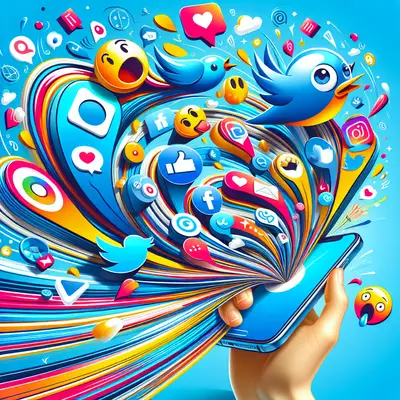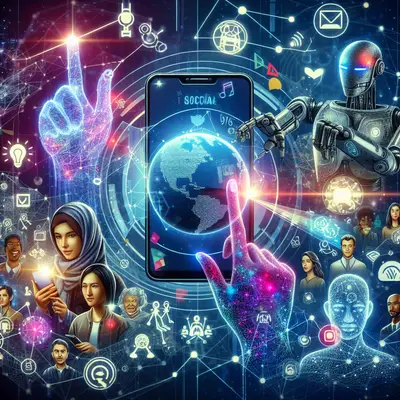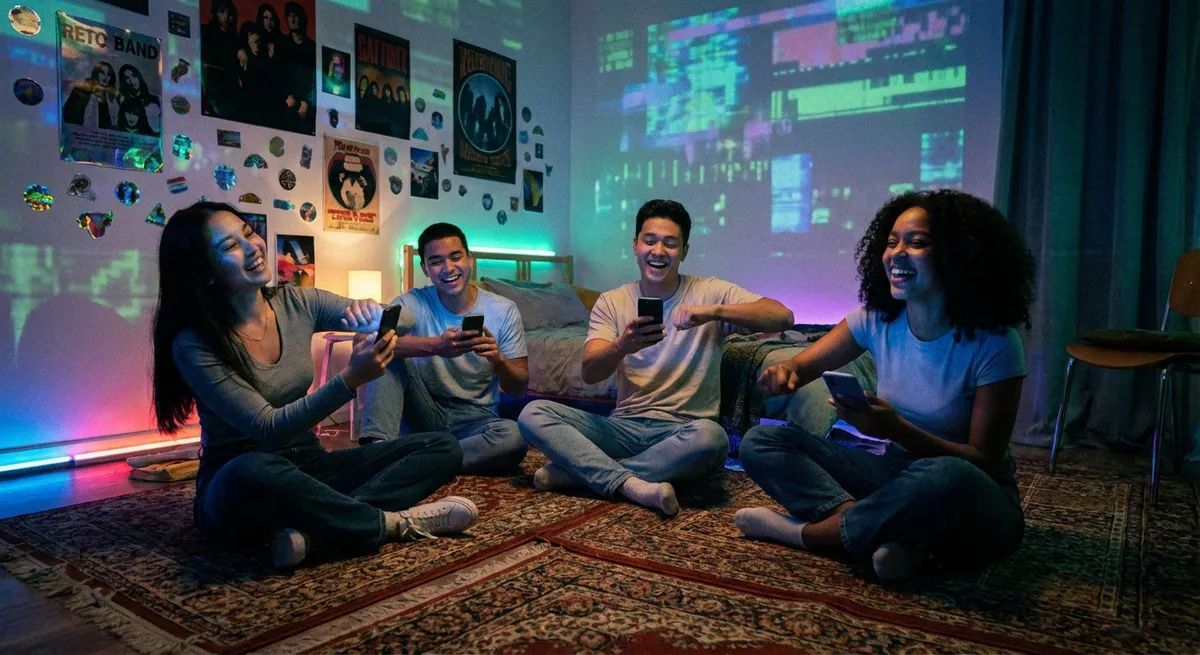
The feed is not what it used to be—and honestly, that’s the fun part. Social media is going through a quiet revolution: less “performing,” more “being,” but still with that main-character energy. If your timeline feels different lately, you’re not imagining it. From private circles to chaotic slideshows, the rules of posting are getting rewritten in real time—and the people who adapt fastest are the ones winning the algorithm and the group chat.
Let’s break down the 5 trending shifts that are secretly running the internet right now—and why everyone’s quietly copying them.
1. Private Is the New Flex: Close Friends, Alt Accounts, and Locked Vibes
Public clout is overrated; private engagement is where the real action is.
Instead of chasing likes from strangers, more people are building “inner circle internet”—close friends stories, private Discords, Telegram channels, locked X (Twitter) accounts, and alt Instagrams where the posts are chaotic, unfiltered, and way more real. The numbers might be smaller, but the comments hit harder, the jokes land better, and the pressure to be perfect basically disappears.
Brands are even trying to copy this by creating VIP groups, private communities, or “finsta-style” accounts to talk more casually with their most loyal followers. The lesson: the new status symbol isn’t having a huge audience—it’s having a tight one that actually knows you, responds to you, and rides for you.
This shift is changing what “going viral” means. It’s no longer just about public reach; it’s also about how far content travels in group chats, DMs, and closed circles. If your post becomes a screenshot passed around in private, that’s a quiet W.
2. Chaos Carousels: Photo Dumps, Messy Slides, and “Soft Storytelling”
Perfect grids are out; chaotic slides are in.
Photo dumps, random carousels, and “here’s my week, I guess?” posts are dominating feeds. It’s curated chaos: blurry selfies next to screenshots, memes next to food pics, notes-app thoughts next to sky photos. It feels accidental, but it’s actually a new kind of storytelling—like a mini scrapbook of your offline life, all packed into one swipeable moment.
Creators are using carousels to:
- Hook you with the first slide
- Tell a mini-story over 5–10 images
- Reward the people who swipe to the end with an inside joke or surprise reveal
Algorithms love it because carousels keep people on a post longer. Users love it because it feels more real than a single overly-edited shot. If you’re still posting one polished pic and logging off, you’re missing the chance to turn your content into a tiny narrative that people actually want to swipe through and share.
3. Search-First Posting: Treating Every App Like a Mini Google
People aren’t just scrolling anymore—they’re searching.
Instagram, TikTok, YouTube, and even Reddit are quietly becoming search engines. Instead of going to Google, users type “best brunch spots near me,” “how to style baggy jeans,” or “beginner workouts no gym” directly into social apps. And the feeds respond with short, visual, personality-filled answers.
This shift is changing how creators post:
- Captions and descriptions are becoming more keyword-rich (without sounding like robots).
- Titles and on-screen text are more direct: “How I X,” “My routine for Y,” “Things I wish I knew about Z.”
- People are saving posts like mini bookmarks instead of just liking and leaving.
For anyone creating content, the move is simple: think like a friend answering a specific question. If your post solves something in 20–60 seconds—how to style, how to cook, how to fix, how to understand—it’s way more likely to show up when people search and way more likely to get saved and shared.
4. “Watch With Me” Energy: Co-Viewing, Duets, and Reaction Culture
The internet doesn’t just want content; it wants company.
Reaction videos, duets, stitches, commentary streams, and “watch this with me” edits are everywhere. People aren’t just consuming videos, they’re adding their face, voice, and opinions on top. That second layer of content—laughing, cringing, explaining, or translating what’s happening—is becoming just as important as the original video.
Why it’s blowing up:
- It makes scrolling feel social even if you’re alone.
- Reaction content is hyper-shareable because it adds context, humor, or emotion.
- It lets people “join the conversation” without having to create something from scratch.
Even regular users are jumping in with green-screen reactions, “POV you see this on your FYP” voiceovers, or remixing trends with their own twist. The new power move isn’t being first; it’s being the most entertaining commentary on what’s already trending.
5. Screenshot Culture: Posts Built for the Group Chat, Not the Feed
Some of the most viral content right now doesn’t live in public at all—it lives in screenshots.
Creators are designing posts specifically to be screen-captured and dropped into group chats, Slack channels, and Discord servers: spicy takes, chaotic polls, unhinged DMs (with names blurred), niche memes, and hot-topic questions that are basically made to start arguments in a friend group.
What works best in screenshot culture:
- One-panel memes with instantly understandable jokes
- Relatable confessions and “tell me you X without saying you X” prompts
- Spicy charts and tier lists people want to fight about
- Hot takes in text-post format that invite a “no way” reaction
This is stealth virality: a tweet, IG story, or TikTok comment might never hit a million public views, but it becomes a mini-classic in your social circles because someone saved it and started a whole conversation with “this is so us.”
Conclusion
Social media isn’t dying; it’s mutating—in the best way.
The loud metrics (views, likes, followers) still matter, but the real game is happening in the quieter spaces: close friends lists, DMs, group chats, saves, shares, and searches. Private circles are the new flex, chaos carousels are the new storytelling, search-first posts are the new visibility hack, co-viewing is the new hangout, and screenshot culture is the new viral pipeline.
If you want to actually ride the wave instead of just watching it, build for three things:
- Real circles, not just big audiences
- Swipeable stories, not just single moments
- Shareable ideas, not just aesthetic vibes
The feed is evolving. The only real question is: are you posting for the algorithm—or for the people who will actually send your content to their friends?
Sources
- Pew Research Center – Social Media Fact Sheet - Data on how people in the U.S. are using major social media platforms and how behavior is shifting over time
- Nielsen – The Gauge: How We Watch Content - Insights into changing media and co-viewing habits that mirror reaction and “watch with me” trends online
- TikTok – What is TikTok? (Business Resource) - Official overview of how TikTok content formats (like reactions, stitches, and short-form search) shape modern social behavior
- Meta – Instagram Trends Report - Breakdown of emerging Instagram behaviors like photo dumps, close friends posting, and creator-led trends
- Google – How People Use Search in 2024 - Explains how search behavior is evolving and why people increasingly look for quick, visual answers—similar to how they use TikTok and other platforms
Key Takeaway
The most important thing to remember from this article is that this information can change how you think about Social Media.