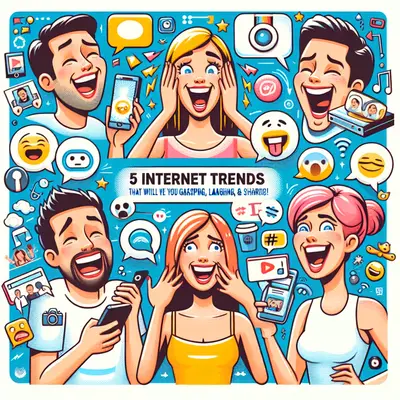
The internet isn’t just something we use anymore—it’s a whole vibe we’re constantly curating. Every scroll is a mini identity check: Does this feel like me? From hyper‑personalized feeds to oddly specific niches that feel like they were built inside your brain, the new wave of internet trends is all about aesthetic, emotion, and experience. Let’s break down the five biggest glow‑ups shaping how we post, share, and binge right now.
1. Digital Cozy: The Rise of “Comfort Internet” Energy
There’s a quiet rebellion happening against the chaos of doomscrolling—and it looks like soft, slow, and strangely soothing content.
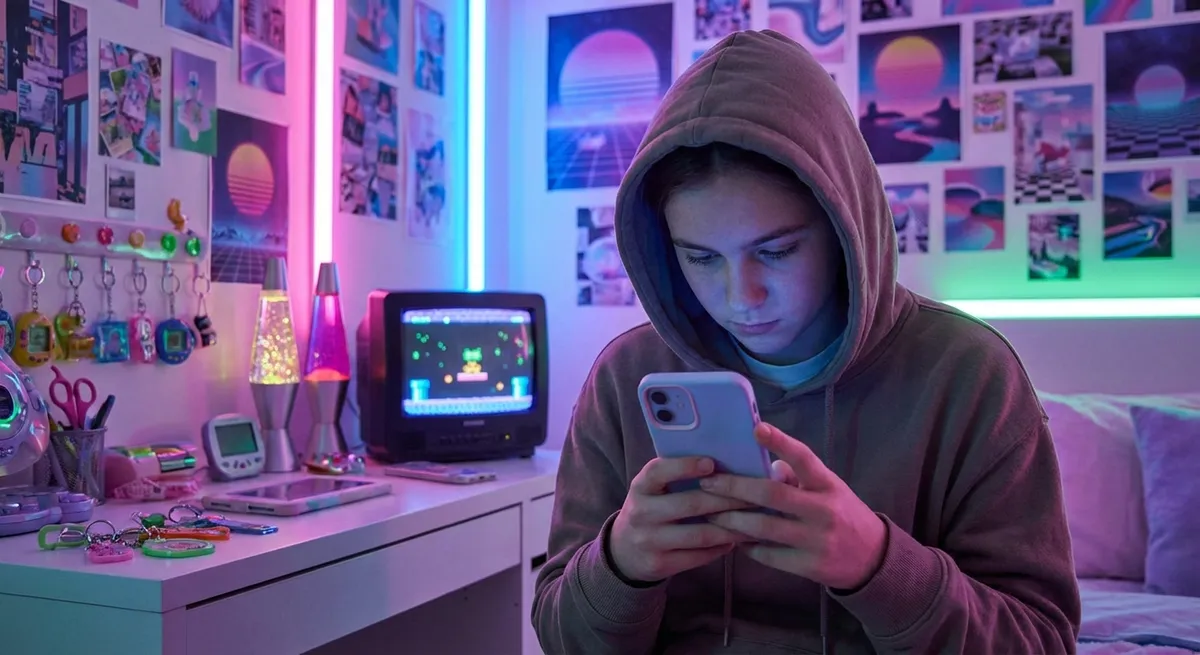
Instead of chasing constant outrage, people are building “comfort corners” online: playlists that feel like hugs, TikToks of people restocking fridges in perfect ASMR silence, long-form YouTube vlogs with zero drama and maximum routine. Algorithms are catching on, too, increasingly feeding users “calming” or “positive” content when they show signs of burnout, like lingering on relaxing videos or muting intense topics.
This isn’t just an aesthetic; it’s a coping mechanism. Gen Z and younger millennials, especially, are turning their feeds into mood regulators—following accounts that post ambient café sounds, virtual study buddies, or nature POVs that you can loop in the background while you work. The flex has shifted from “I’m booked and busy” to “I’m booked and balanced,” and the platforms are pivoting with features like screen-time reminders, quiet modes, and personalized recommendations to keep you scrolling without spiraling.
2. Algorithm as Identity: Hyper‑Personal Feeds as Personality
If you’ve ever said “My For You Page knows me better than my friends,” you’re part of this trend.
The algorithm used to feel like a mysterious machine; now it’s basically treated like a mirror. People aren’t just passively consuming what shows up—they’re proudly claiming their “FYP aesthetic” as part of their identity. You’ll see posts like “If your feed looks like this, we’d be besties” featuring oddly specific combos: cottagecore recipes, chaotic fan edits, ADHD life hacks, and 2 a.m. micro-influencers oversharing their life stories.
What’s wild is how this is reshaping social discovery. Instead of bonding over big mainstream hits, people connect over the weirdly niche intersections of their feeds. It’s less “I like Marvel” and more “My algorithm gives me Marvel edits set to 2010s dubstep and videos of people reorganizing their Lego shelves, and I feel seen.” Social media platforms are leaning into this with more granular interest tags, recommendation tweaks, and tools that let you manage or “train” what you’re shown. Your feed is no longer just content—it’s a personality quiz that never ends.
3. Screenshot Culture 2.0: Sharing Posts Without Posting Them
One of the sneakiest internet trends right now isn’t happening on the public timeline—it’s happening in DMs, group chats, and private stories.
Instead of quote‑tweeting or dueting everything, people are quietly screenshotting and screen‑recording posts to share in closed circles. That wild TikTok? Straight into the best-friend group chat. That slightly unhinged tweet you don’t want your boss to see you liking? Saved into your private Discord server for later chaos. The social “clout” has shifted from public engagement (likes, RTs, comments) to curation power—are you the friend who always drops the most unhinged, most relatable, or most perfectly timed content?
Platforms know this is happening: they’re adding features like “Send to” buttons, collaborative collections, and group-watch experiences to keep those private vibes on-platform. But the core vibe stays the same—public feeds are getting more polished, while the truly unfiltered, unhinged internet is thriving in close-knit, semi‑hidden spaces where things feel less like performance and more like a live group reaction.
4. AI Remix Era: Everyone’s a Creator, Even If They Swear They’re Not
We’ve officially entered the remix era where “I’m not creative” is no longer an excuse.
Generative AI tools are turning casual scrollers into low-key producers: turning text into hyper-stylized images, transforming basic audio into studio-level tracks, and auto-editing clips into hooky, shareable formats. You don’t have to know how to design a poster or cut a video to create something that looks platform-ready—filters, templates, and AI assist tools handle the heavy lifting while you just bring the idea.
This is supercharging trend cycles. A sound, meme format, or visual style no longer needs a big-budget creator to catch fire—it just needs one person with a prompt and enough curiosity to hit “generate.” At the same time, it’s raising questions about originality and authenticity: people are starting to brag about “no AI used” the way they once bragged about “shot on iPhone.” The new flex is knowing when to use AI and when to keep things raw, so your content feels enhanced, not artificial.
5. Micro-Moments > Big Announcements: The Era of Tiny Flexes
The internet used to love big life updates—graduations, job offers, moving to a new city. Those still matter, but what’s really owning feeds right now are the tiny moments that feel weirdly cinematic.
We’re talking 8-second clips of sunlight hitting a bus window just right. The satisfying sound of ripping off plastic from a new gadget. A delayed train turning into an impromptu solo coffee date with a “main character” soundtrack in the background. These micro-moments are snackable, shareable, and emotionally loaded in a way that feels real, not staged.
Social platforms are fully built around this now. Short‑form vertical video is the default, and features like stories, reels, and shorts let you post fleeting slices of life without committing them to your permanent grid. The trend isn’t “show off your perfect life,” it’s “romanticize the tiny, chaotic, ordinary pieces of it”—and audiences are responding because it’s the most honest thing they’re seeing online.
Conclusion
The internet’s latest glow-up isn’t just about going viral—it’s about feeling aligned. Comfort content instead of chaos. Feeds that feel like personality tests. Private share culture. AI-powered creativity. Micro-moments that turn background noise into mini-movies.
We’re moving into an era where your online life isn’t just a highlight reel; it’s a mood board, a therapy session, a creative playground, and a friend group all mashed into one endless scroll. And the next time you catch yourself thinking, “Wow, my feed really gets me,” just know: that’s not an accident—that’s the new internet trend doing exactly what it was built to do.
Sources
- Pew Research Center – Social Media Fact Sheet - Data on how people use social media and shifting online behaviors
- MIT Technology Review – How TikTok Reads Your Mind - Deep dive into hyper-personalized recommendation algorithms
- Stanford Social Media Lab - Research on social media, mental health, and online behavior patterns
- World Economic Forum – The Rise of Short-Form Video Content - Overview of how short-form video is reshaping online engagement
- Harvard Business Review – How Generative AI Changes Creativity - Explains the impact of generative AI tools on everyday creative work
Key Takeaway
The most important thing to remember from this article is that this information can change how you think about Internet Trends.