The internet used to be all about clout, numbers, and flexing. Now? It’s about vibes, micro‑aesthetics, and tiny online rituals that say, “I get it” without ever spelling it out. Across TikTok, Instagram, X, and YouTube, there’s a new wave of trends shaping how we exist online—what we watch, how we talk, and even how we show up offline.
These aren’t just trends; they’re mood boards for how people want their lives to feel. If you’ve ever thought, “Why does my feed suddenly look like a collage of chaotic group chats, cozy corners, and oddly specific aesthetics?”—this is for you.
1. The Era of “Main Character Energy” Is Mutating
Main Character Energy used to mean cinematic TikToks, dreamy filters, and pretending your commute was a movie scene. Now it’s evolving into something more ironic, chaotic, and weirdly honest.
Instead of perfectly curated day-in-the-life videos, we’re seeing:
- “Side character” POVs and anti-hero edits
- People posting their most unflattering angles on purpose
- Vlogs that mix glam moments with ultra-mundane chaos (like epic nights out followed by eating cereal over the sink)
The flex is no longer “I’m perfect,” it’s “I’m ridiculous and self-aware.” The internet is rewarding people who break the edit-perfect script and lean into messy authenticity. It feels less like watching a movie and more like crashing a group FaceTime call.
Why it’s viral: It’s ultra-relatable, easy to remix into memes, and turns everyday life into content without needing a full aesthetic overhaul.
2. Hyper-Niche Aesthetics Are the New Online Identity
Cottagecore walked so every other oddly specific aesthetic could run. We’ve moved way past “clean girl” and “dark academia” into micro‑vibes that are so niche they almost feel like inside jokes.
Think:
- “Corporate goth” outfit inspo
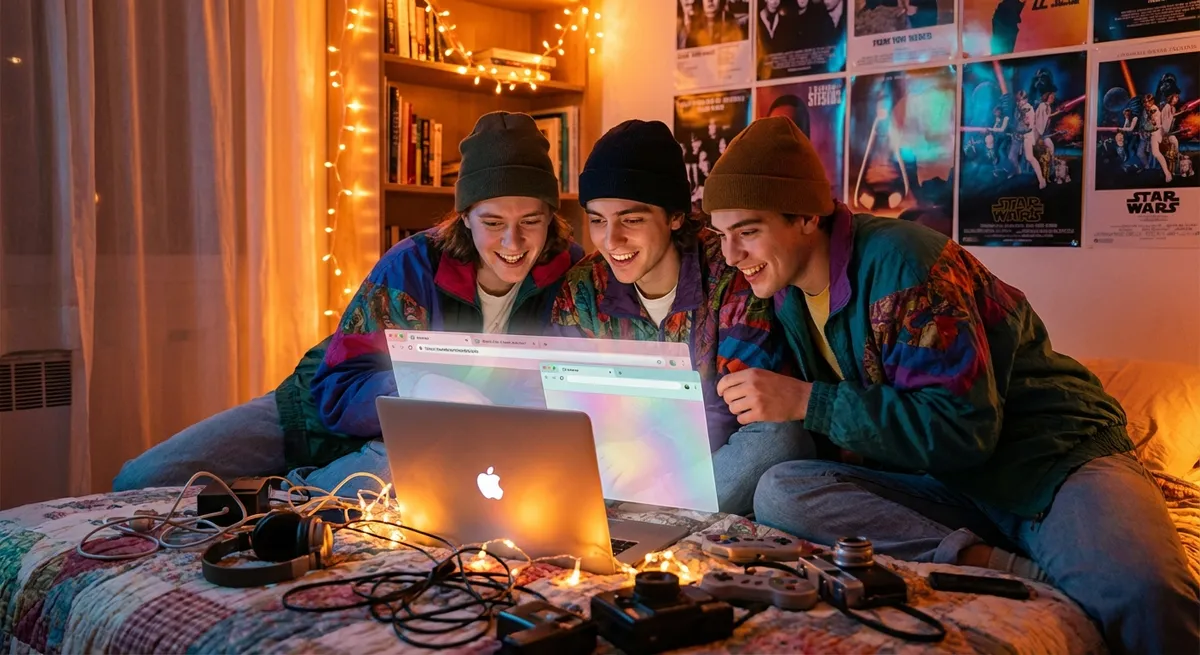
- “Digital gremlin” desk setups with LED chaos and 10 open screens
- “Library rave” playlists and visuals
- “Cozy chaos” rooms that are cluttered but curated
People are basically building mini fandoms around whole lifestyles—down to fonts, filters, and background noise. Your aesthetic is no longer just your clothes; it’s your Spotify playlists, your Notion templates, your camera roll, your group chat energy.
Why it’s viral: Micro‑aesthetics give people a quick way to say “this is my vibe” and instantly find others who get it. It’s identity, but make it scrollable.
3. “Third Places” Are Going Digital (But Still Shape Real Life)
Sociologists talk about “third places”—spots that aren’t home (first) or work/school (second), but where community happens: cafes, parks, bars, etc. Now, people are treating digital spaces as third places too.
You’ll see this in:
- Discord servers that feel like 24/7 hangout spots
- Niche TikTok comment sections where the same users keep popping up
- Twitch and YouTube livestream chats that feel like recurring meetups
- Group chats that function like micro-communities, complete with lore
Gen Z and younger millennials are especially blending this with real life: book clubs that start on TikTok and end up IRL, fan communities organizing meetups, creators hosting pop-ups because their “internet friends” demand it.
Why it’s viral: People are tired of shallow parasocial scrolling. They want places to belong, and the algorithms are quietly pushing content that sparks conversation, not just views.
4. “Silent Flex” Culture: Soft Power > Loud Bragging
The loud flex—designer logos, money stacks, over-the-top hauls—is starting to feel dated. The new internet flex is subtle, soft, and sometimes you only catch it if you’re paying attention.
Examples of silent flexes:
- Casually having insane views outside your window in a “morning routine” video with no mention of it
- Dropping a cool project or job in passing during a storytime
- Low-key travel vlogs that show experiences, not price tags
- Wearing rare or high-quality pieces without tagging brands or listing costs
Instead of shouting “I made it,” people are weaving success into regular content. It’s still aspirational—but with enough humility and chaos that it doesn’t feel out of reach.
Why it’s viral: It feels less cringe, more aspirational, and highly screenshot-able. People share it not just to say “goals” but “this is the energy I want.”
5. Crowd-Generated Storytelling Is Beating Traditional Content
The internet is becoming one big collaborative story engine. The most shareable content now often invites people to join in the storytelling instead of just passively watching.
You’ll see this in:
- TikTok story chains where someone posts “Part 1,” and random creators stitch themselves in with alternate endings
- Comment sections building entire fake scenarios, characters, and fanfic out of a single meme
- Users turning one viral clip into hundreds of remixes, edits, and POV versions
- Poll-based plots where creators let their audience choose what happens next
This “everyone’s in the writer’s room” vibe turns viewers into co-creators. People stay for the story, but they share for the community chaos—because half the fun is watching how the internet collectively rewrites the script.
Why it’s viral: The more people can add to it, the longer it lives. It’s built for duets, stitches, remixes, screenshots, and quote-tweets.
Conclusion
The new internet trends aren’t just about what’s on your feed—they’re about how you move through it. From mutating main-character vibes to hyper-niche aesthetics, digital third places, silent flexes, and crowd-powered storytelling, the culture of being online is becoming more collaborative, more specific, and way more human.
If you want your content (or just your presence) to feel current, tap into these vibes:
- Be self-aware, not self-obsessed
- Pick an aesthetic that feels like you, not the algorithm
- Treat comments and communities like actual hangout spots
- Flex by living your life, not shouting your wins
- Make content that lets other people play along
The internet’s new currency isn’t just attention—it’s participation. And everyone’s invited.
Sources
- Pew Research Center – Social Media and Online Communities - Data on how people use social platforms and form communities online
- MIT Technology Review – How TikTok Is Rewriting the World - Explores TikTok’s influence on internet culture and participatory content
- Harvard Business Review – The Era of Antisocial Social Media - Discusses shifting user behaviors and expectations on social platforms
- BBC – The Rise of Aesthetics Culture on Social Media - Breaks down the growth of online aesthetics and visual identities
- Stanford University – The Psychology of Online Communities - Looks at how and why people form and maintain digital communities
Key Takeaway
The most important thing to remember from this article is that this information can change how you think about Internet Trends.