The group chat isn’t safe. Zoom calls aren’t safe. Even your peaceful little shower-thoughts aren’t safe. Because in 2025, the internet has decided to collectively renegotiate… how English works. Yep, that viral thread about words we’ve been “saying wrong” just blew up again, and people are dragging, defending, and dueting their way through full‑on pronunciation wars across TikTok, X, Reddit, and beyond.
Inspired by the now‑trending piece “The Internet Thinks We Should Pronounce These 24 Words Differently,” creators are turning simple vocabulary into social battlegrounds. From “croissant” discourse to “data” drama, the way you say things is suddenly content — and everyone’s ready to fight about it in the comments.
Let’s break down how this oddly specific internet trend turned into a full‑scale cultural moment.
Chaos Over Common Words: When “Data” Starts a Flame War
The internet has rediscovered the oldest debate in tech: is it “DAY‑tuh” or “DAH‑tuh”? What used to be a nerdy office argument is now a viral sound on TikTok. Creators are stitching each other with deadpan reactions, fake “HR meetings,” and fake “IT support calls” where one side uses “DAY‑tuh” and the other side behaves like they’ve witnessed a crime. On X, quote‑tweets of pronunciation polls are turning into mini culture wars, with people insisting their version is the “correct” one because of where they grew up or what their job is.
Reddit threads on r/linguistics and r/unpopularopinion are blowing up with charts, regional maps, and hot takes from around the world. Americans, Brits, Aussies, and non‑native speakers are chiming in with wildly different instincts, turning a simple word into a global identity marker. Screenshots of these debates are getting reposted on Instagram and Facebook, where older users are discovering, very loudly, that the way they say “data,” “status,” and “schedule” is apparently “cursed” now.
TikTok “Pronunciation Checks” Are the New Personality Quiz
Remember BuzzFeed quizzes that told you which sandwich you are? TikTok has turned that energy into “pronunciation checks.” Creators are dropping fast‑paced videos with subtitles like: “How you say these 10 words will expose your entire personality.” Viewers pause the video, say each word out loud — “almond,” “crayon,” “caramel,” “pecan,” “GIF” — and then watch as the creator “diagnoses” them in the second half of the clip.
These aren’t just jokes; they’re extremely shareable identity content. Couples are filming themselves side‑by‑side, discovering in real time that they’ve been living with a “CAR‑mel” person this whole time. Long‑distance friends are dueting each other’s videos, teasing each other over regional accents, and stitching pronunciation tests with captions like “POV: realizing my entire friend group talks wrong.” The soundbites from these videos — exaggerated “correct” pronunciations, fake teacher voices, and “NOPE, JAIL” reactions — are becoming reusable audio templates, fueling a fresh wave of meme formats.
Meme Linguists & “Hard To Swallow” Language Truths
The “Hard To Swallow Pill” meme is back in rotation, but this time it’s been hijacked by pronunciation drama. Viral posts are dropping lines like:
- “Hard to swallow pill: It’s fine if people say ‘GIF’ with a hard G.”
- “Hard to swallow pill: There is no official pronunciation police; language is vibes.”
These memes are bouncing between Instagram, X, and Tumblr, where self‑declared “meme linguists” are thriving. Actual linguists on TikTok and YouTube are also cashing in on the trend, making explainers about how pronunciation shifts over time, why regional accents matter, and why there isn’t always a single “correct” way to say something. Clips breaking down words like “niche,” “route,” “envelope,” and “scone” are going viral, not because people suddenly love phonetics, but because they love sharing anything that lets them say: “SEE, I WAS RIGHT.”
Screenshots of these expert takes are being turned into reaction memes, complete with highlighted quotes and spicy captions like “Sorry bestie, science says you’re wrong.” It’s edutainment: just enough real info to feel smart, wrapped in pure shareable chaos.
Global English, Local Chaos: When Accents Collide Online
One of the juiciest parts of this trend is how global it is. A single clip posted by a Canadian creator can rack up comments from Nigeria, India, the Philippines, the UK, and the US — all insisting their version of a word is the only sane one. The internet is getting a crash course in how English actually works outside their own bubble. British creators are scandalized by American “herb” (with a silent H), while Americans are stitching UK clips where someone casually drops “vitamin” with a short I and the comments go nuclear.
Non‑native speakers are also jumping in with their own twist: videos like “How we say this word in my country vs. how Americans say it vs. how Brits say it” are racking up views on Reels and TikTok. It’s turning pronunciation into a soft‑power flex — people are proud of their accent, their region, and the way their community shaped their speech. Meanwhile, duets showing couples with wildly different accents mishearing each other are playing like mini rom‑coms, farming both laughs and “this is literally us” comments.
Pronunciation as Clapback: The New Way to Roast (Gently)
Because this is the internet, pronunciation has naturally become a tool for mild chaos and petty drama. People are now using it as a low‑stakes way to roast friends, exes, coworkers, and even brands. TikTokers are posting relationship storytimes with captions like, “He said ‘espresso’ with an X… I should’ve known.” On X, users are subtweeting people’s speech quirks instead of their outfits, with jokes like, “If you say ‘LIBARY’ we can’t date, I’m sorry.”
Brands are wading in carefully. Some are dropping cheeky polls asking followers how they pronounce their product names, then replying with short, meme‑able video clips demonstrating the “official” version. Others are smartly staying out of it, knowing that nothing kills a fun trend faster than corporate over‑explaining. The sweet spot? Light, self‑aware posts that let fans argue in the comments while the engagement numbers quietly skyrocket.
Meanwhile, on Reddit and Discord, friend groups are turning pronunciation into party games: reading cursed word lists out loud, recording themselves, and posting the results with timestamps and “time of betrayal” captions. It’s a perfect storm: low‑risk drama, high‑reward comedy, endless opportunities for stitches and duets — exactly the kind of fuel the modern attention economy lives on.
Conclusion
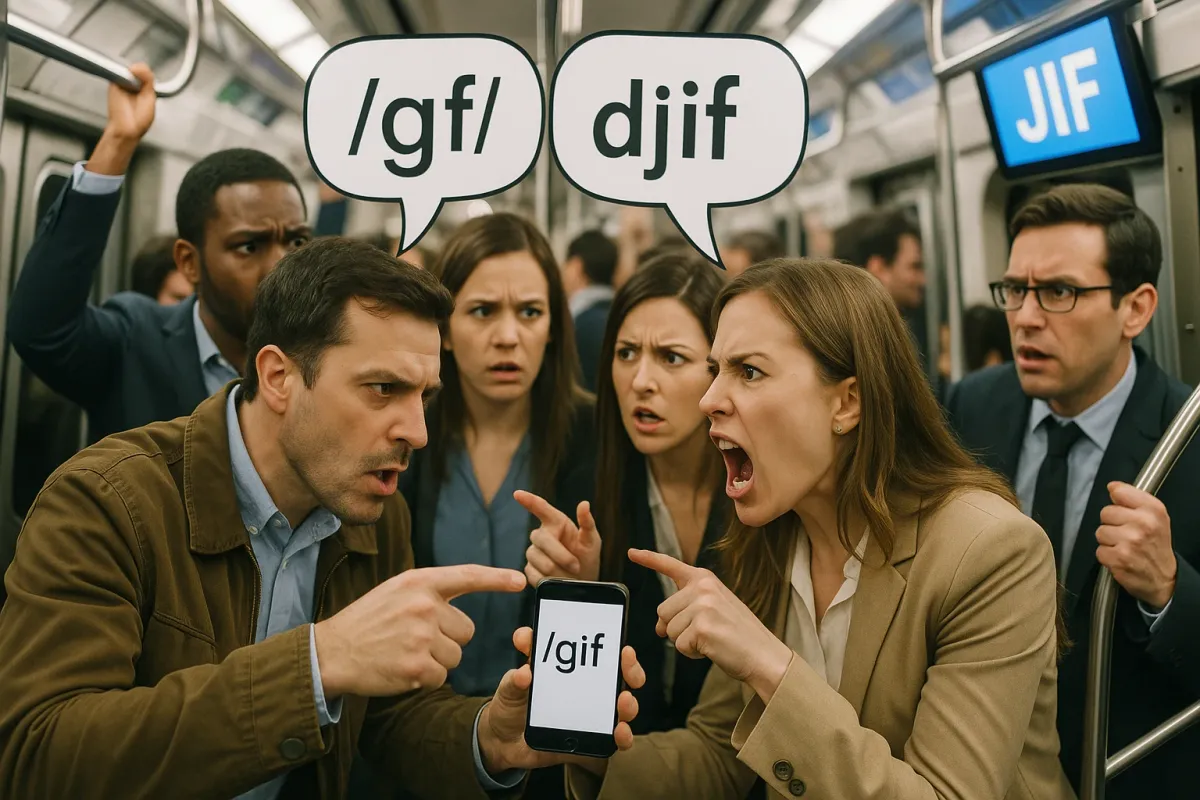
The pronunciation wars of 2025 prove something huge about internet culture: people are desperate for ways to express identity, start a conversation, and belong to a “side” — even if it’s just Team “GIF” vs. Team “JIF.” That trending article about how we “should” say 24 different words tapped straight into that energy, and social media did what it does best: turned it into games, memes, fake arguments, and strangely wholesome community moments.
So before you dunk on your coworker for saying “CROISSANT” like a full‑body accent crime, remember: your own pronunciation probably sounds unhinged to someone else on the planet. But hey — if it sparks a viral stitch, a spicy meme, or a chaotic group chat voice note? The internet wins again.
Key Takeaway
The most important thing to remember from this article is that following these steps can lead to great results.