The loud, in-your-face flex is officially out. Across TikTok, Instagram, X, and even LinkedIn, a new vibe is taking over: subtle status, quiet wins, and “if you know, you know” energy. It’s not about shouting “I made it!” anymore—it’s about letting the details speak for themselves while pretending you’re not trying at all. Welcome to the era of soft flexing, where the internet’s favorite power move is looking like you’re not doing a power move.
Let’s break down the 5 soft-flex trends everyone’s low-key using to signal “I’m thriving” without ever saying it.
1. The “Unbothered Schedule” Flex
Nothing says “I’m winning” like looking suspiciously available.
People are posting random mid-morning coffee runs, afternoon walks, solo lunches, or “slow Tuesday” vlogs that quietly scream: I control my time. Instead of posting job titles or salary wins, creators are showcasing flexible calendars, cozy work setups, and “log off with me” clips. It’s aspirational without being aggressive—viewers don’t see the paycheck, they see the lifestyle.
Soft flex energy here is all about indirect power:
- “My meeting got pushed so I went to a museum alone.”
- “I do emails from the park now.”
- “Clocked out early, no one asked questions.”
In a world obsessed with burnout and hustle, the real flex is not being constantly stressed. Social media is rewarding those who can aestheticize rest, boundaries, and freedom as the new definition of success.
2. The “Anti-Label Luxury” Wave
Logos are getting quieter, but the drip is louder than ever.
Instead of giant brand names screaming across outfits, we’re seeing low-key luxury: clean silhouettes, niche designers, and pieces that don’t announce themselves—unless you’re in the know. It’s the difference between “check out my Gucci belt” and “this jacket? Oh, it’s vintage from a tiny shop in Copenhagen.”
This trend lives in:
- Minimalist outfit pics with captions like “thrifted everything.”
- Room tours where the furniture is obviously expensive but never tagged.
- GRWMs (“Get Ready With Me”) that casually feature high-end skincare as if it’s no big deal.
The flex isn’t just owning the thing; it’s acting like it’s normal for you. The internet is rewarding this “soft opulence” look—calm, elevated, and a little mysterious.
3. The “I’ve Got My Life Together” Micro-Details
Soft flex culture is obsessed with tiny signals that your life is secretly in order.
We’re talking:
- Color-coded calendars glimpsed for half a second in a vlog.
- A peek at a packed but tidy fridge during a “cook with me.”
- Casual mentions of therapy sessions, savings goals, or skincare routines.
Instead of chaotic, “my life is a mess lol” content, there’s a quiet shift toward micro-stability flexing—habit stacks, mood boards, clean kitchens, regular Pilates classes, digital planners. The content doesn’t scream “self-improvement”; it just shows systems quietly working in the background.
The algorithm loves this because it taps into two feelings at once: “I want to be this person” and “This doesn’t feel impossible.” It’s aspirational, but rooted in tiny, copyable habits—perfect for saving, stitching, and sharing.
4. The “Soft Skill, Hard Flex” Era
The new clout isn’t just about looking good—it’s about being low-key talented.
On every platform, people are soft-flexing skills without turning them into TED Talks. Think:
- Casually playing piano in the background of a vlog.
- Cooking something restaurant-level “just because.”
- Designing a logo for a “friend” that low-key looks agency produced.
- Editing their videos with film-level transitions—but calling it “a quick edit.”
The trick is the tone: “I just threw this together,” even when it clearly required mastery. Audiences eat this up because it feels organic, not try-hard. Skill becomes a visual aesthetic rather than a bragging point.
This also lines up with the rise of “edutainment”: bite-sized content that teaches something but still feels like scrolling for fun. The subtext: the smartest flex is making difficult things look effortless.
5. The “Offline but Aesthetic” Status Signal
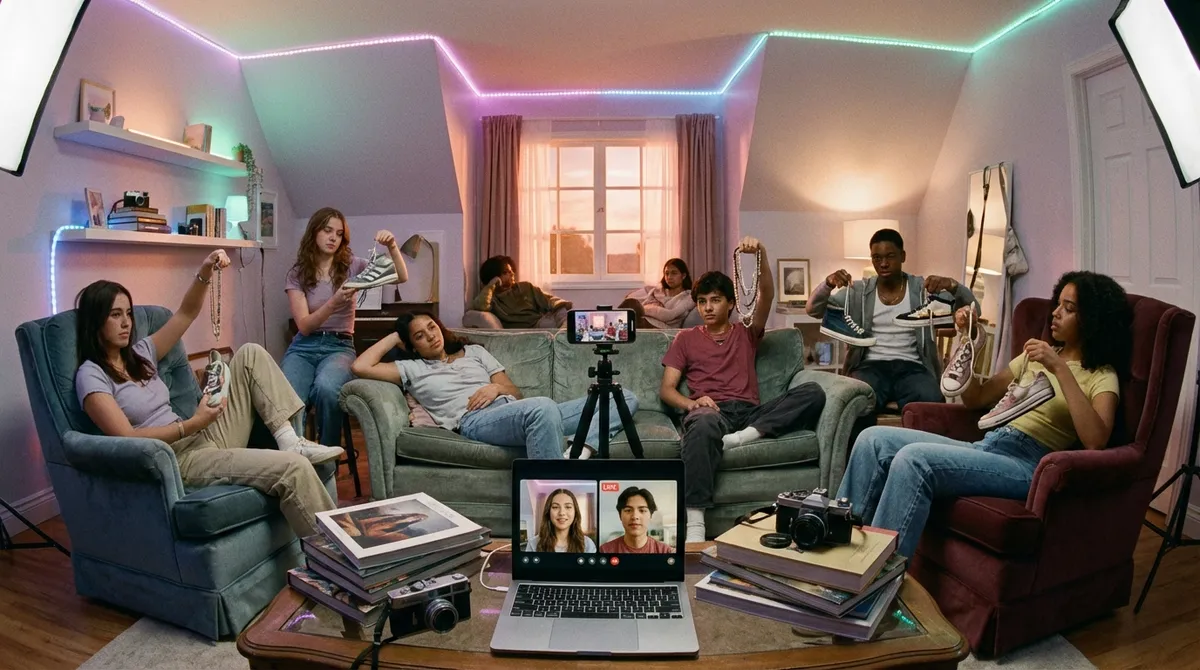
One of the biggest soft flexes now? Having an offline life that still looks cinematic.
Instead of posting every moment in real time, people are:
- Sharing photo dumps days or weeks later.
- Posting blurry, film-style shots that feel unposed.
- Capturing small, quiet scenes: a book, a half-finished matcha, sun on a wall.
The vibe is: “I was too busy really living to post this immediately.” Even when the content is curated, the performance is that it’s not. There’s an I’m-not-addicted-to-my-phone energy that plays as emotional wealth: attention span, presence, mindfulness.
The underlying flex is attention. If the old clout was “everyone’s looking at me,” the new clout is “I’m not desperate for anyone to look at me—but you still are.”
Conclusion
Soft flexing is the internet’s new favorite status game: downplayed, aesthetic, and coded. Instead of screaming “I’m successful,” people are letting viewers connect the dots through time freedom, quiet luxury, subtle skills, and offline energy. It’s still a flex—it’s just wrapped in nonchalance.
If you’re creating content right now, this is the wave: show, don’t tell. Let the details carry the brag. Hint at the win, don’t announce it. On today’s internet, the loudest flex is acting like you don’t need to flex at all.
Sources
- Pew Research Center: Social Media and Changing Identities - Data on how younger users shape social media norms and self-presentation
- BBC Future – The Age of Aspirational Content - Explores how platforms influence what “success” looks like online
- Harvard Business Review – The New Rules of Personal Branding - Breaks down subtle signaling and status in professional/online spaces
- Vogue Business – Quiet Luxury and Digital Aesthetics - Looks at the rise of understated luxury and how it plays out on social media
- NYTimes – Photo Dumps and the Casual Instagram Shift - Explains the cultural shift toward “casual” posting and delayed sharing
Key Takeaway
The most important thing to remember from this article is that this information can change how you think about Internet Trends.