Social media is having a main‑character moment—and it’s not happening on your public feed. While brands chase reach and algorithms chase watch time, users are quietly building their own private, unfiltered universes behind green circles, locked stories, secret group chats, and alt accounts. Welcome to the “Close Friends Era,” where the real show is happening off the grid… but somehow feels more online than ever.
This isn’t just a vibe shift; it’s a full-on culture reset. From chaotic meme dumps to invite-only livestreams, social media is getting smaller, weirder, and way more honest—and everyone wants in. Here’s why the private side of the internet is suddenly the most shareable part of it.
Chaos Dumps: The New Aesthetic Flex
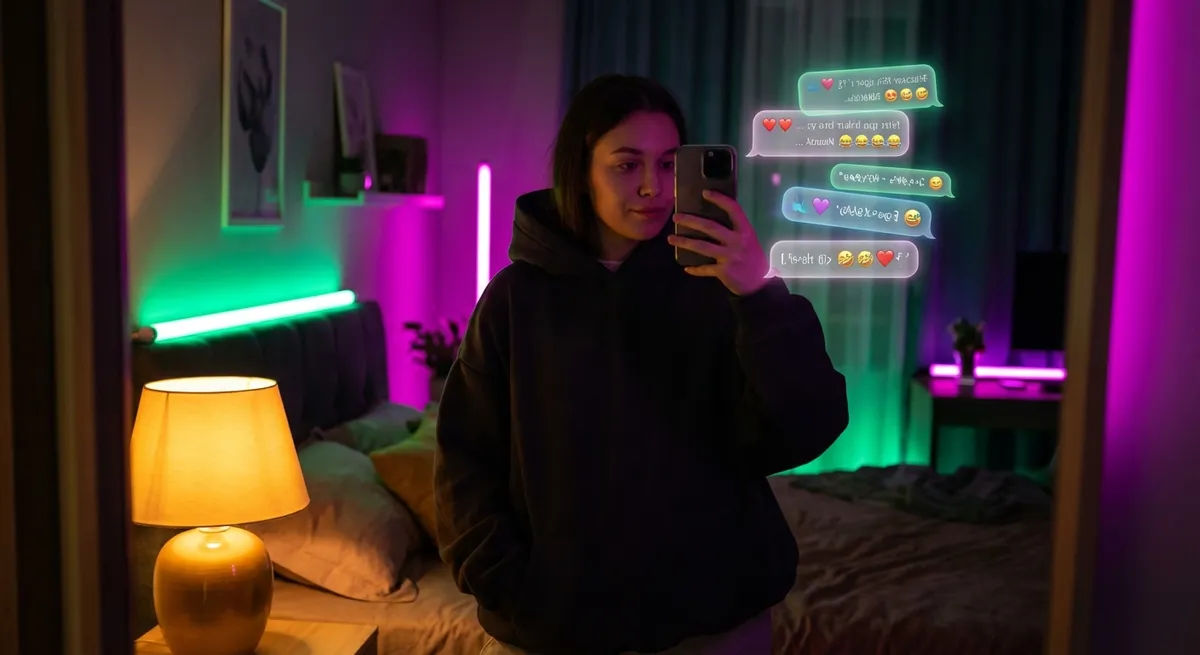
Perfect grids are out, chaos dumps are in. Instead of posting one polished photo, people are dropping unhinged carousels: blurry mirror selfies, cursed screenshots, random ceiling pics, and that one oddly emotional sunset in between. It’s not “photo dump” pretty—it’s “this is what my brain looks like at 2:14 a.m.” energy, and everyone relates way too hard.
These chaos dumps live mostly in close friend stories and private feeds, turning mess into a shared aesthetic. The appeal? Zero pressure to be hot, inspirational, or brand-safe. It’s proof of life, not proof of perfection. Friends reply not with likes, but with “why is slide 3 actually my Roman Empire” and “pls explain slide 7 immediately.” It’s content that feels like a group chat with visuals: deeply specific, slightly embarrassing, and somehow more authentic than any curated grid.
Green Circle Culture: Where The Real Personality Lives
That little green circle around someone’s story has become elite social currency. If you’re on their Close Friends list, congratulations—you’ve unlocked the bonus level of their personality. This is where people post the jokes that are “too niche,” the rants that are “too real,” the selfies that are “too chaotic,” and the takes that would start a war on the main feed.
Green circle culture is basically social media’s speakeasy: invite-only, unfiltered, and a little bit unhinged. People are using it to soft launch relationships, hard launch breakdowns, and beta-test memes before they go public. It’s also a flex to quietly remove someone from Close Friends without blocking them—silent drama, but make it digital. The irony? These supposedly “private” posts often end up screenshotted and shared in other close circles, turning micro-moments into mini-legend status.
Alt Accounts & Finstas: The Anti-Influencer Rebellion
While everyone’s main account is starting to look like a personal brand deck, alt accounts and finstas are thriving as the anti-influencer solution. On these side profiles, people post unedited crying selfies, hyper-specific obsessions, terrible outfit pics, unfunny drafts, and rage-typed captions that would never survive the main timeline.
Alt accounts let users split their identity: main account for public perception, side account for actual personality. It’s like having PR mode and diary mode built into the same app. Creators are even starting “secret” public alts—low-pressure spaces where they can post without worrying about engagement metrics. The algorithm might love polished content, but the people? They’re obsessed with the messy, unoptimized, painfully human stuff that lives on the second profile.
Micro Group Chats: The New Viral Incubator
Forget going viral to millions—people care more about being iconic in a group chat of eight. Micro group chats have become the testing grounds for everything: drafts of thirst traps, early versions of trending audios, half-formed hot takes, and memes so specific they’re only funny to three people on earth. And that’s the point.
These chats are where people co-write captions, rate each other’s DMs before sending, and collectively decide, “No, you’re not posting that.” They’re also where random screenshots and inside jokes get refined into shareable content that eventually hits the main feed. By the time something looks effortless publicly, it’s survived twelve “LMAO NO” reactions, five edits, and three different group chats. Going viral is cool, but being quoted in the friend group like a cultural icon? That’s the real status.
Live, But Lowkey: Private Streams & Tiny Audiences
Livestreaming used to be about shouting to as many strangers as possible. Now, the coolest streams feel like you accidentally walked in on a FaceTime. Creators and regular users alike are hosting private or semi-private lives with tiny audiences: cooking while oversharing, getting ready with brutally honest commentary, studying in silence with lo-fi, or doing Q&As that feel like therapy with emojis.
These lowkey streams thrive on intimacy over scale. There’s no “smash that like button” energy—just “wait, is it just the six of us here?” vibes. Viewers drop confessions in the chat that they’d never post on their own accounts, and inside jokes form in real time. People don’t want polished performances; they want access, presence, and the weird comfort of watching someone exist in real time, in a way that feels almost too small for the internet.
Conclusion
The internet isn’t getting quieter—it’s just getting closer. The real action has moved from public feeds to private corners: chaos dumps, green circles, finstas, hyperactive group chats, and tiny livestreams where the main reward isn’t clout, it’s connection. In the Close Friends Era, being “seen” doesn’t mean being viral to millions; it means being fully yourself in front of the right twelve people.
So while everyone else is chasing the algorithm, the internet’s coolest users are chasing something way more valuable: spaces where you can be unfiltered, unhinged, and unbelievably real. Public feeds might tell your story—but your private ones? That’s where the plot twist lives.
Key Takeaway
The most important thing to remember from this article is that this information can change how you think about Social Media.