When did a mall-brand denim campaign turn into a full-blown internet referendum on race, politics, and who’s “allowed” to be the face of America? That’s exactly what’s happening to Sydney Sweeney right now, and the fallout is all over TikTok, X, and Instagram. Her long‑delayed “apology” about her American Eagle ad instantly reignited a culture‑war fire that the internet absolutely refused to let die.
Instead of being just another glossy back‑to‑school image, the campaign became a meme, a debate topic, a 20‑thread TikTok essay series, and the latest episode of “Is social media actually a court of law?” Here’s how one brand photo shoot turned into the internet trend everyone has an opinion about today.
The “Just A Jeans Ad” That The Internet Turned Into A Rorschach Test
Sydney Sweeney’s American Eagle campaign dropped looking like classic all‑American mall nostalgia: blue jeans, casual vibes, soft lighting, “girl next door” energy. But social feeds did what they always do—zoomed in, overanalyzed, and turned every pixel into symbolism. Some users framed it as “America’s sweetheart in the most American brand,” while others read it as coded messaging about race, class, and who gets to represent mainstream Americana in 2025.
The same image that screamed “back‑to‑school catalog” to some felt like a political statement to others, especially on X and TikTok where creators stitched the ad into think pieces about representation and marketing. That’s the heart of this trend: internet culture doesn’t see neutral anymore; everything is a statement, whether celebrities want it or not. The ad became less about the jeans and more about what people projected onto them—and those projections went viral.
The “Too Late” Apology Era: Why The Internet Loves A Delayed Reaction
Sydney finally addressed the controversy, saying she was frustrated that people assigned racial and political meanings to a job she saw as just… modeling for a brand. But the line that caught everyone? The vibe of her response basically boiled down to: it’s “too late” to fix how people already feel about it. That phrase lit up the comment sections instantly. Screenshots of her quotes are now being reposted with captions like “The PR era is over” and “This is what happens when you reply in 2025 like it’s 2015.”
The internet is obsessed with timing, and Sydney’s response hit late enough that it became its own storyline. We’ve officially entered the “Delayed PR Response Discourse” era, where waiting weeks or months to react doesn’t cool things down—it becomes a second viral wave. Creators are now ranking celebrity apologies, comparing Sydney’s to past PR disasters, and debating whether silence, speed, or honesty actually works in a hyper‑online world that never stops screenshotting.
“Political By Default”: Why Every Ad Feels Like A Hot Take Now
What’s wild about this trend is how it shows that no corner of pop culture is “just vibes” anymore. TikTok explainers are breaking down how even a denim ad can feel political once you factor in brand history, who gets hired, and who doesn’t. Users are pulling in old American Eagle campaigns, comparing casting choices, and asking why nostalgia ads always seem to center the same kind of “relatable” girl next door.
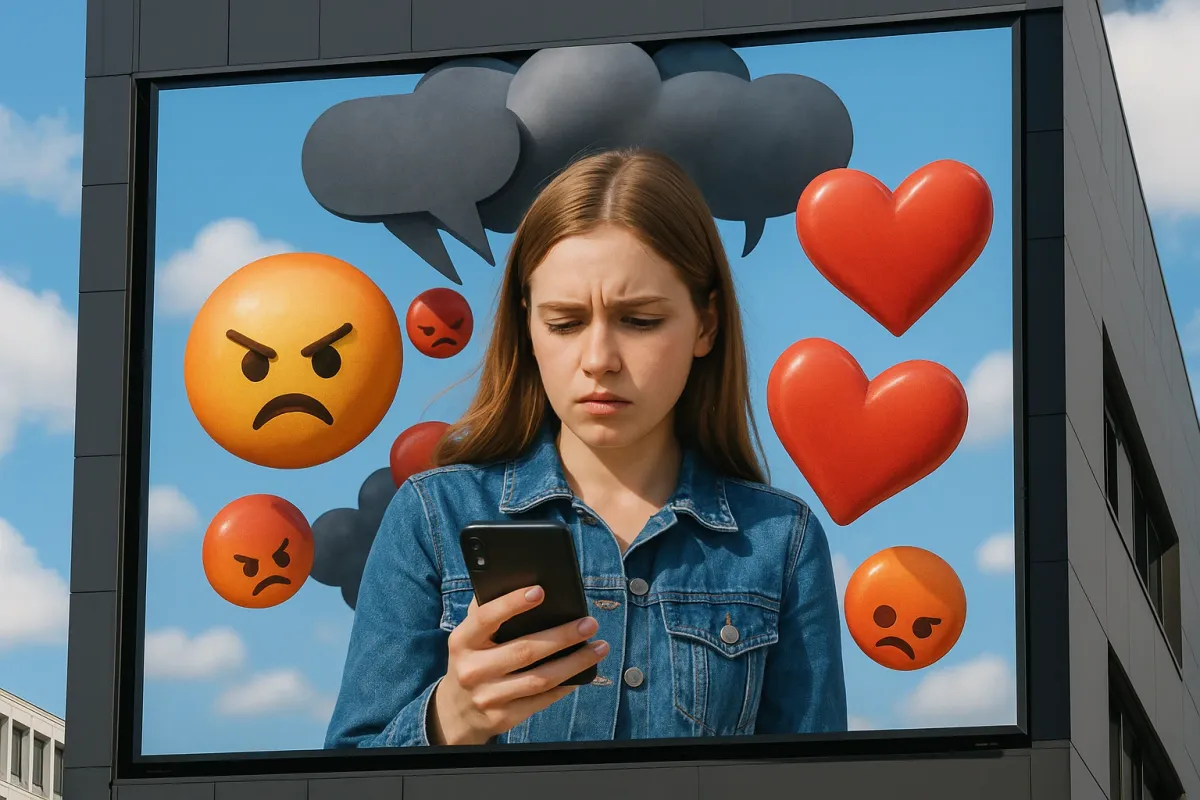
At the same time, another crowd is loudly pushing back, posting “It’s jeans, not Congress” takes and dragging what they see as performative outrage culture. The Sydney Sweeney discourse is basically a case study in the new rules of the internet: if you’re a celebrity fronting a big brand, you’re no longer just modeling—you’re representing. Whether you agree with that or not, the algorithm is clearly rewarding the people who talk about it, remix it, and argue over it. Controversy is content, and this campaign is feeding every side.
Meme‑ification: How TikTok Turned Sydney’s Ad Into A Running Joke
Once the think pieces arrived, the memes weren’t far behind. TikTok is flooded with fake “American Eagle auditions,” where creators pose in their most chaotic outfits and caption it, “Just waiting for the discourse to find me.” Others are spoofing brand meetings—“So we’ll do light‑wash denim, soft smile, and a three‑week-long flame war on X”—turning the whole saga into an ongoing inside joke.
Screenshots of Sydney in the campaign have been repurposed as reaction images, slapped with captions like “Me casually posting a selfie not realizing it’s about to start a week‑long debate.” Twitter (sorry, X) is also having a field day with “too late” edits, pairing her quote with everything from long‑ignored group chats to unread DMs. This is what the internet does best: even the heaviest, most serious discourse eventually gets flattened into formats people can share, laugh at, and pass along in two seconds.
The New Reality For Celebs: Your Brand Deals Are Now Your Beliefs
Underneath all the memes, there’s a bigger trend that explains why this story won’t die: audiences now treat every brand partnership as a personality quiz with real‑world stakes. Sydney says she didn’t intend any racial or political subtext. The internet responds: intent doesn’t matter as much as impact. That’s the new rule of the influencer‑celebrity economy—your gig, your image, your sponsor list, and your silence (or lack of it) all become part of your public “stance.”
We’re seeing creators and fans use the Sydney Sweeney/American Eagle saga as a template for future drama: asking who gets cast in nostalgic “American” roles, how brands choose a face, and who gets dragged when it backfires. It’s not just “cancel culture,” it’s expectation culture. If you’re big enough to front a global campaign, you’re big enough to be dissected at scale. And every ad you do can and will be screenshotted, reframed, and turned into a thread, a meme, or a moral argument overnight.
Conclusion
Sydney Sweeney probably thought she was signing on for a classic, safe, mall‑brand moment. Instead, she walked straight into 2025’s harshest reality: there is no such thing as a neutral image on a hyper‑online internet. Her American Eagle campaign became a culture‑war Rorschach test, her delayed “apology” spawned a second discourse wave, and the whole thing is now locked into meme history.
If you want to understand how fast internet trends mutate in real time—from ad to outrage to analysis to memes to think‑piece remixes—this saga is the perfect snapshot. It’s not just about Sydney, or American Eagle, or even one campaign. It’s about a new online rule: the second your face hits a brand’s feed, you’re not just selling clothes—you’re stepping into the comment section’s courtroom, whether you meant to or not.
Key Takeaway
The most important thing to remember from this article is that this information can change how you think about Internet Trends.