Sydney Sweeney just found out the hard way that in 2025, no brand collab lives only on a billboard. Her American Eagle campaign didn’t just drop—it detonated across TikTok, X, and Instagram, with people hotly debating everything from the styling to supposed “hidden messages” baked into the shoot. And now that she’s finally spoken out, the discourse has gone into overtime.
If you’ve seen her face on your FYP lately and wondered, “Wait, what did I miss?”, this is the social media saga everyone’s weighing in on right now. Let’s break down how one denim ad turned into a culture war in the comments—and what it says about the current state of the internet.
1. The American Eagle Campaign That Refused To Stay “Just An Ad”
Sydney’s American Eagle partnership was supposed to be classic celebrity-brand synergy: hot star, nostalgic-but-still-cool retailer, cozy Americana vibes. The images were very on-brand for AE—casual, jeans-heavy, all “back to basics” energy. But once screenshots hit TikTok and X, users started reading the campaign like it was a political statement, not a fashion shoot. Some viewers claimed the imagery and styling nodded to specific ideologies; others argued the whole thing was harmless and people were overreacting.
What made it go viral wasn’t just the photos, but the interpretations. Threads broke down outfits like they were Supreme Court cases, creators stitched each other with “Here’s why you’re wrong” takes, and suddenly a jeans ad was trending alongside actual news. This is peak 2025: nothing is just aesthetic anymore—every frame becomes “discourse content.”
2. Sydney’s “Too Late” Apology That Poured Gasoline On The Fire
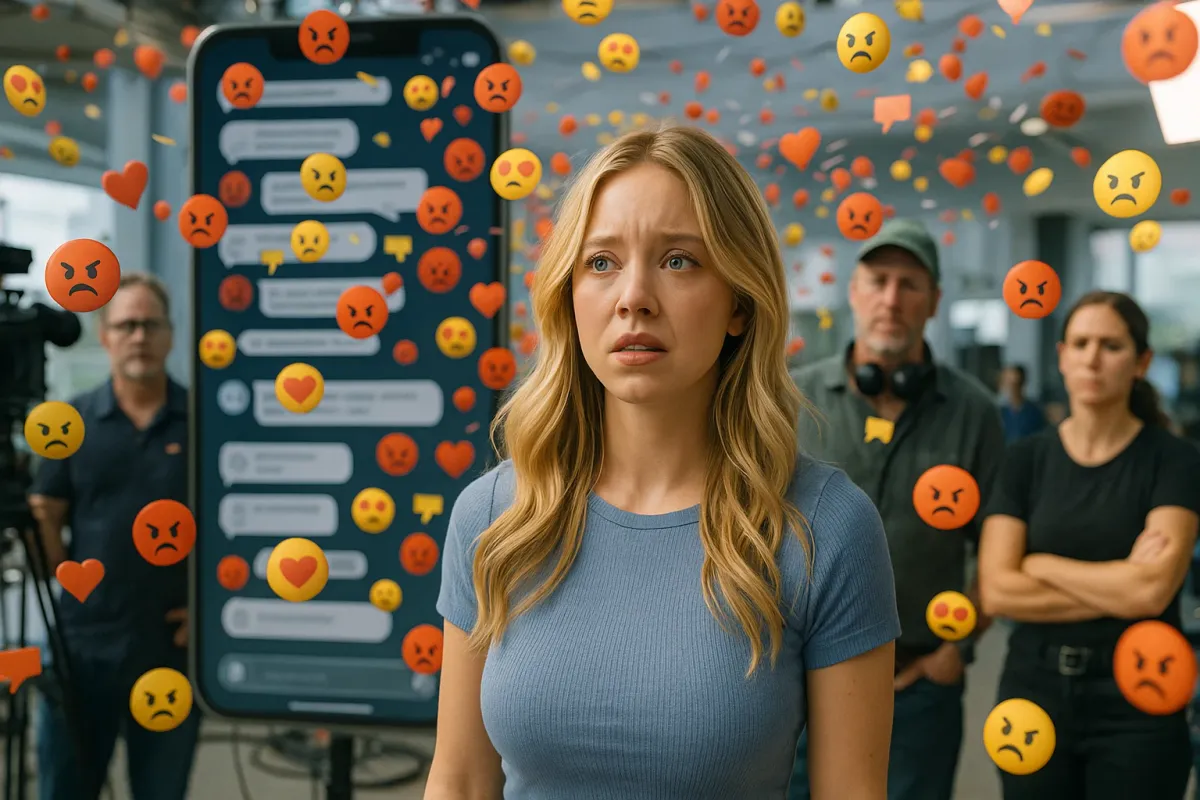
After days of nonstop commentary, Sydney finally addressed the situation. Her tone? A mix of frustrated, dismissive, and “I literally did not sign up for this level of over-analysis.” She pushed back on the heavier interpretations of the campaign, saying people were forcing political and racial narratives onto something that was never intended that way. Instead of calming everyone down, her response split the internet even more.
Critics called the statement “too late,” “too vague,” or “too defensive,” while supporters rushed to defend her in quote-tweets and comment threads. On TikTok, creators started posting breakdowns of her interview clips, freeze-framing her expressions and reading body language like it was CSI: Celebrity Edition. The meta-conversation—about how she apologized, when she apologized, and if she should have apologized at all—became its own viral talking point. In 2025, the apology tour is now just Season 2 of the original scandal.
3. The Algorithm Loves Drama, And It Just Got A New Favorite
If it felt like Sydney was suddenly everywhere, you’re not imagining it. Platforms quietly turbo‑boost anything that keeps people commenting, duetting, and quote‑tweeting—and this saga was engagement catnip. TikTok FYPs flooded with “Here’s the tea on the Sydney Sweeney AE ad” explainers. X turned it into a rolling debate thread. Instagram Reels and Stories became mini-polls: “Overreaction or valid criticism? Vote.”
Creators who had never posted about Sydney before jumped on the trend because the numbers were too good to ignore. Clips with her name in the caption started outperforming regular content, and the algorithm rewarded those who kept the conversation going. It’s the modern attention economy in action: once a topic hits critical mass, the platforms themselves become co‑authors of the drama, pushing it in front of anyone who so much as pauses on one related video.
4. The Parasocial Whiplash: When “Relatable” Collides With Responsibility
Part of why this blew up so fast is that Sydney isn’t some distant, mega‑polished star to her fanbase—she’s been heavily framed as relatable, goofy, “girl-next-door but famous.” Social media has trained audiences to feel like they know her personally through interviews, clips, and edits. So when the AE campaign and her response didn’t perfectly match that image for some people, the reaction felt personal.
This is the dark side of the parasocial era: fans don’t just consume content, they expect alignment with their own values, aesthetics, and politics from anyone they’ve emotionally invested in. On TikTok, you could see that whiplash in real time—videos with captions like “I love her but this isn’t it” right next to “You guys need to stop projecting your issues onto celebrities.” The Sydney situation is basically a live tutorial in how blurred the line between “public figure” and “personal friend” has become online—and how messy it gets when those expectations collide.
5. What This Saga Says About The Future Of Brand Collabs Online
Behind the chaos, every brand and PR team on the internet is taking notes. The Sydney Sweeney x American Eagle storm is a loud reminder that celebrity campaigns no longer live in controlled ad spaces—they live in the wild, user‑generated jungle of social media. Every shot is screengrabbed, reframed, and reinterpreted by millions of people in seconds. Every collab now has three layers: the ad itself, the immediate reaction, and the reaction to the reaction.
Expect brands to get even more cautious about imagery, casting, and timing—and to build “What if this turns into a TikTok discourse topic?” into every campaign plan. On the flip side, some marketers will look at the numbers and quietly think, “Well, it was controversial, but it was viral…” That tension—between wanting clean, safe campaigns and wanting explosive engagement—is exactly why we’re probably going to see more of these culture-war‑in‑the‑comment-section moments, not fewer.
Conclusion
Sydney Sweeney’s American Eagle drama is way bigger than a single ad—it’s a snapshot of what social media looks like in 2025. Every image is a statement, every statement is a battleground, and every celebrity collab is one algorithmic shove away from becoming the topic of the week. Whether you think the internet overreacted or not, the message is clear: in the age of FYPs and For You pages, nothing is “just a campaign” anymore.
Screenshot the takes, send this to the friend who’s been doom‑scrolling the discourse, and buckle up—because the next brand‑celeb controversy is probably already loading on your feed.
Key Takeaway
The most important thing to remember from this article is that this information can change how you think about Social Media.