The internet isn’t just “where we hang out” anymore—it’s the invisible remote control for your entire day. From what you listen to while you shower, to what you cook, wear, and even how you text, your feed is low-key choreographing everything. The wild part? The biggest shifts aren’t always the loudest trends—they’re the subtle habits everyone’s picking up without even noticing.
Let’s break down five internet-powered behavior switches that are shaping how we live right now—and why your For You Page probably called you out before you realized it.
1. Micro-Content Mornings: Waking Up With 30-Second Everything
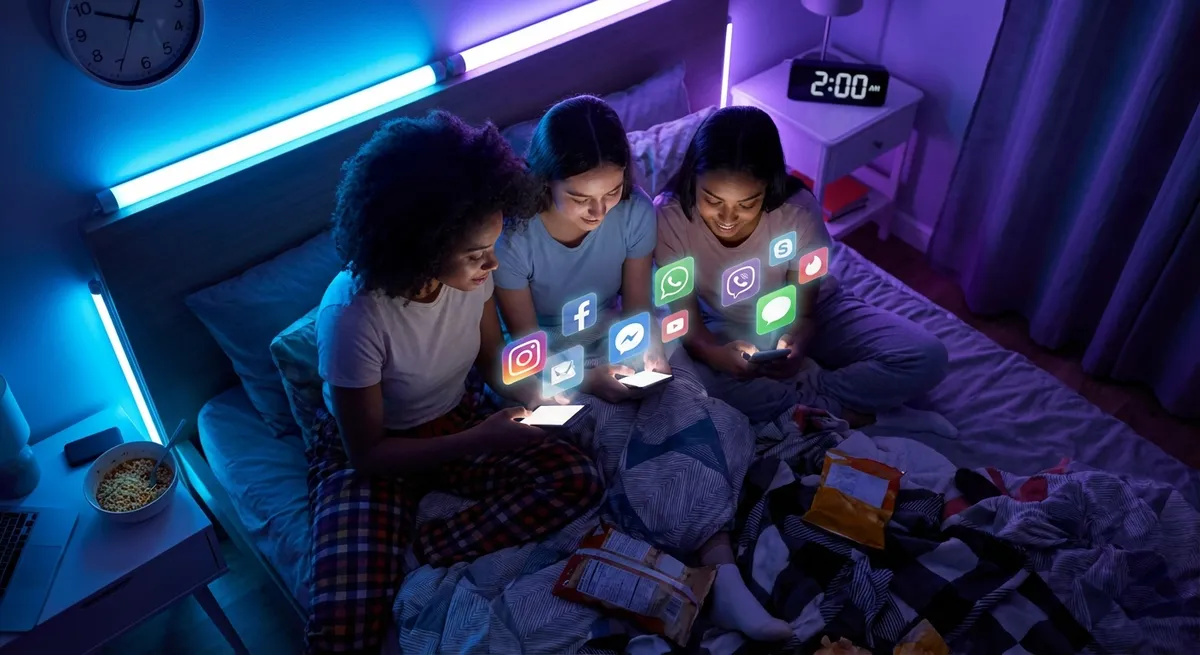
Alarm off. Notifications on. Before you even hit the bathroom, you’ve probably watched a 12-second meme, a 20-second morning routine, and a 30-second recap of world events. Congratulations—you just had a “micro-content morning.”
Micro-content isn’t just fun; it’s rewiring how we learn and wake up. News outlets, creators, and even educators are compressing huge ideas into ultra-short formats designed for half-awake brains scrolling in bed. That 45-second “here’s what happened while you were asleep” video is quietly replacing traditional news apps and long articles.
The result: people feel “updated” faster, but their attention is increasingly fragmented. You’re getting a highlight reel of the world before you’ve even had coffee, and your brain starts chasing that quick-hit energy all day. Brands know this—so they’re front-loading value in the first 1–3 seconds of literally everything they post. If it doesn’t hook instantly, it’s gone with one thumb swipe.
Micro-content mornings are training us to expect fast answers, instant clarity, and absolutely zero warm-up—online and off.
2. Screenshot Culture: How Receipts Became the New Reputation
If 2010s internet was “pics or it didn’t happen,” the 2020s are “screenshots or it doesn’t count.” The quiet rule of modern online life: assume everything can and will be screenshotted.
Private DMs? Not really “private.” Brand promises? One vague caption away from being blasted on Twitter with receipts attached. Even friendships, flings, and workplace chats are now living inside camera-roll folders labeled with dates and names—just in case.
This screenshot culture is changing behavior in three big ways:
- People type like a future audience might read it.
- Brands respond faster (and nicer) when a complaint tweet already has photo proof attached.
- Online “he said, she said” drama now comes with visual evidence that spreads instantly.
There’s a downside: context can vanish. A joke out of thread, a cropped message, a missing timestamp—suddenly the internet is judging a tiny slice of a bigger story. But the message is clear: the internet never really forgets, and everyone’s a documentation device.
We’re living in an era where reputation management isn’t just PR teams and blue-check accounts—it’s regular people with screenshots and a Wi-Fi connection.
3. Algorithmic Taste: When Your “Personality” Is Low-Key Curated by the Feed
You think you discovered that song, that tiny skincare brand, that super niche show. In reality, the algorithm has quietly been inside your taste buds for months.
From Spotify’s automated playlists to TikTok’s eerily specific recommendations, the platforms are building a hyper-detailed map of what you pause on, replay, rewatch, and save. Your “favorite things” are increasingly a co-production between you and recommendation engines.
This shows up everywhere:
- Your music rotation is shaped by playlists you didn’t even make.
- Your sense of style is influenced by creators in cities you’ve never been to.
- Your recipes, workouts, and even slang often start somewhere on your FYP or Explore tab.
What’s new is how fast taste travels. One sound goes viral, a micro-trend explodes, and suddenly people across different countries are dressing the same, quoting the same audios, and craving the same snacks.
The upside: we discover insanely specific content that feels made “just for us.” The trade-off: it’s harder to tell where you end and the feed begins. The internet is moving from “I found this” to “this found me”—and it’s reshaping identity in the process.
4. Dupe Culture & Digital Thrift: Flexing the Look, Not the Logo
Luxury used to be all about the flex. Now, the real flex is knowing the dupe.
“Dupe culture” (duplicate products that mimic the look or function of pricier items) has turned social media into a live shopping hack channel. Instead of “here’s my $300 product,” it’s “here’s the $18 version that hits just as hard.” From makeup to tech accessories to home decor, people are proudly sharing how they saved money without sacrificing the vibe.
Paired with this is a digital-first thrift mindset:
- Secondhand marketplaces and apps are normalized, not “bargain-bin.”
- Influencers proudly announce “thrifted” or “Facebook Marketplace find” in hauls.
- Reuse, resell, and upcycle content performs well because it hits style, savings, and sustainability all at once.
This flips the old internet culture of flexing rare, expensive stuff. The new clout is being smart, resourceful, and eco-conscious while still looking put together. Internet trends are pushing people to ask: do I want the item—or just the aesthetic? If it’s the vibe you’re chasing, the dupe will do.
5. Parasocial 2.0: When Your Favorite Creator Feels Like a Group Chat Friend
We’ve always “felt close” to celebrities, but social media creators have taken that to another level. You don’t just watch them—you know their dog’s name, their coffee order, their apartment layout, their friend group drama. That’s parasocial connection: a one-sided relationship that feels two-sided.
What’s new is the format of those relationships. Livestreams, “day in my life” vlogs, close-friends-style stories, Discord servers, and subscriber-only chats have turned creators into something that feels like a friend in your pocket. You don’t just observe; you comment, they reply, your username pops up, and suddenly that distance feels tiny.
This has huge ripple effects:
- Viewers lean on creators for advice, comfort, and validation.
- Creators feel pressure to overshare to maintain intimacy.
- Boundaries get blurry—viewers expect access, creators feel obligated.
On the positive side, people find genuine community, support, and representation through creators who “get” them in ways their offline world might not. But it also means internet drama can hit like real heartbreak, and creator burnout becomes a viral topic by itself.
We’re in Parasocial 2.0, where creators aren’t just idols on a pedestal—they’re main characters in your daily emotional landscape.
Conclusion
The internet trends that hit the hardest aren’t always the biggest memes or viral videos—they’re the quiet habits that sneak into your routine and never leave. Micro-content mornings, screenshot culture, algorithm-shaped taste, dupe-obsessed shopping, and parasocial closeness are all reshaping how we wake up, shop, talk, and feel.
Next time you’re scrolling, watch for the patterns: what are you doing because you chose it, and what are you doing because the feed trained you to want it? Either way, these shifts aren’t slowing down. The apps update, the platforms change—but the real viral content is how they change us.
Sources
- Pew Research Center – Social Media Fact Sheet – Data on how people use social media across age groups and platforms
- Reuters Institute Digital News Report – Insights into how short-form content and platforms shape news consumption habits
- American Psychological Association – The Psychology of Social Media – Research-based overview of how social media affects behavior and relationships
- Harvard Business Review – How Algorithms Shape Our World – Explains the impact of recommendation systems on consumer choices and preferences
- BBC – The Rise of Influencers and Parasocial Relationships – Discusses how online creators build intense one-sided bonds with audiences
Key Takeaway
The most important thing to remember from this article is that this information can change how you think about Internet Trends.