The internet used to be all about posting. Now it’s about curating a whole vibe. From hyper-aesthetic livestream setups to chaotic “photo dumps” that look casual but are secretly curated, a new online attitude is taking over: the streamcore aesthetic. It’s less “perfect influencer” and more “I’m just hanging out, but everything still looks low-key cinematic.”
This isn’t just a TikTok thing or a Twitch thing. It’s a full-blown internet mood spreading across platforms: your room, your feed, your playlists, even your notifications are becoming part of one big, continuous stream of you. Let’s break down the trends powering this new online energy—and why they’re so shareable right now.
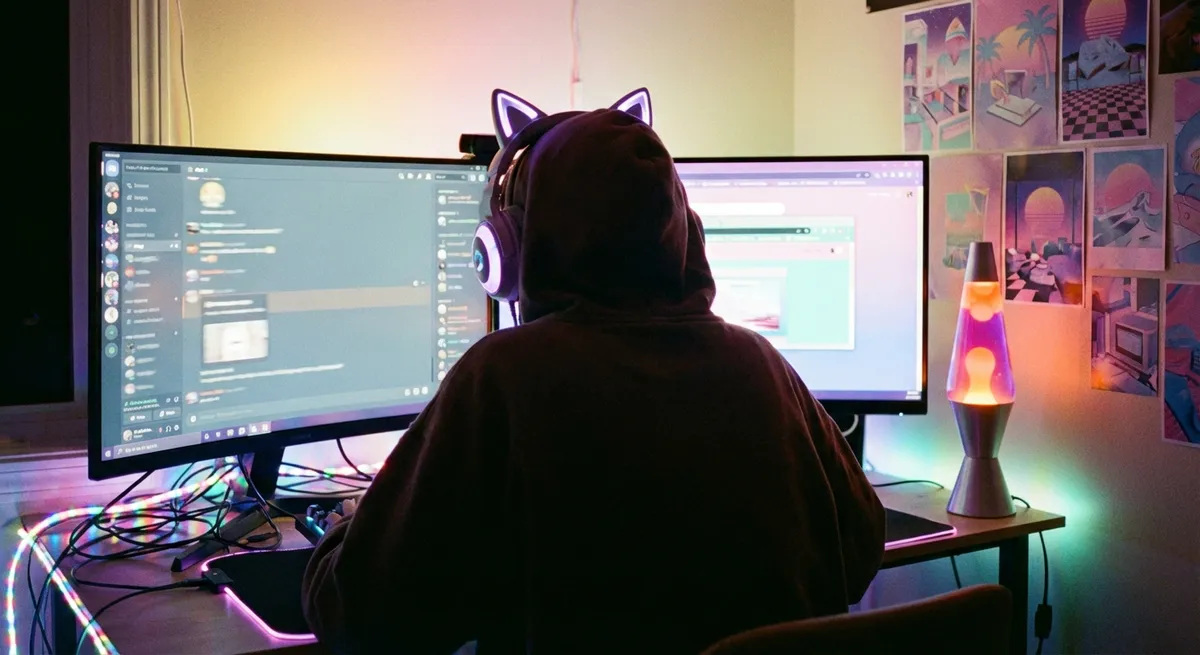
1. Always-On Spaces: Turning Your Room Into a Livestream Set
The new flex isn’t a ring light and a white wall—it’s a whole always-on environment that looks good from any angle. Think soft LED glows, layered textures, quirky decor, and a background that feels like a lo-fi music video 24/7.
Creators are treating their rooms like mini studios:
- Background shelves styled with plushies, plants, and nostalgia items
- Neon or RGB lights synced to music or mood
- Desks that stay “aesthetic messy” but visually satisfying on camera
- Posters, tapestries, and wall art arranged for maximum screenshot potential
Even people who don’t stream are copying the look, because the same setup works for TikToks, Zoom calls, Reels, and BeReal drops. Your space isn’t just where you live anymore—it’s part of your personal broadcast channel.
And the wild part? This isn’t only DIY. Furniture and tech brands are now designing products specifically to look good in a frame: minimal lines, smooth glows, and color palettes that match TikTok’s current obsession with soft pastels or cyberpunk neons.
2. “Casual but Cinematic” Clips: The New Visual Language of Flexing
High-production, super-filtered content is starting to feel… try-hard. The new wave is casual but cinematic—videos that look effortless, but are secretly dialed in with lighting, framing, and sound.
Here’s the energy:
- Handheld videos that feel like a friend’s POV, not an ad
- Natural lighting, mixed with subtle color grading for mood
- Background sounds: keyboard clicks, street noise, café ambience, gaming audio
- Quick zooms and pans that feel like you’re right there
People are filming everything like it’s a tiny movie: grabbing coffee, late-night walks, study sessions, packing orders, mid-game rage quits. It feels spontaneous, but creators are planning these shots the way vloggers used to storyboard full episodes.
This look works everywhere: TikTok, Instagram Reels, YouTube Shorts, even Snapchat Stories. The more it feels like a memory instead of a commercial, the harder it hits—and the more people share it with captions like “this vibe >>>>”.
3. Micro-Communities: Private Feeds With Main-Character Energy
Public feeds are loud. Algorithm chaos, random drama, endless ads. In response, users are retreating into micro-communities where the streamcore aesthetic feels more intimate and less performative.
Think:
- Close-friends-only Stories with ultra-personal updates
- Private Discord servers that function like cozy digital living rooms
- Group chats where people drop raw clips before they ever hit the main feed
- Niche subreddits and fandom servers that speak a specific “internet dialect”
Inside these spaces, people share unpolished moments, in-jokes, WIP art, early edits, and “this is gonna go viral, watch” drafts. It’s like running a soft-launch version of your public persona—a test stream for the main channel that is your life.
The twist: these micro-communities are shaping the mainstream. Memes, slang, and aesthetics that start in private chats leak out into viral trends weeks later. If your group chat is ahead of the curve, you already know the next sound, pose, or aesthetic before it hits explore pages.
4. Algorithm Hacking as a Hobby: Treating Feeds Like a Game
People aren’t just using the internet anymore—they’re gaming the system for fun. Algorithm awareness used to be a “creator industry” thing. Now regular users talk about reach, A/B testing, and watch times like they’re playing ranked matches.
What this looks like:
- Posting at oddly specific “power times” their For You Pages seem to favor
- Testing different cover images or captions on the same short video
- Using trending sounds at low volume to boost discoverability
- Experimenting with absurdly niche hashtags to dominate micro-niches
Instead of being passive about whatever the algorithm serves up, people are experimenting with how to steer it. Friend groups compare what their feeds look like based on their watch behavior—as if they’re comparing character builds in a game.
And it’s not just about clout. There’s a deeper shift: feeds are starting to feel like personalized realities users can tune, tweak, and mod. The streamcore mindset turns every scroll into strategy: if you don’t like your feed, you don’t complain—you retrain it.
5. Anti-Polish Posting: Intentionally Unfinished, Deeply Relatable
As more people lean into cinematic vibes and curated spaces, a counter-trend is blowing up alongside it: intentionally unfinished content. Not “lazy,” but purposely raw—like the internet equivalent of ripped jeans.
You’ll see:
- Half-edited clips with visible timelines, filters, or green-screen glitches
- Screenshots of DMs, drafts, and “failed” photos that never made the grid
- “Soft launch” posts that reveal only part of a project, outfit, relationship, or room
- Captions that say “posting before I overthink it” or “this doesn’t match my feed but idc”
The aesthetic is: “I care, but I’m not pretending I’m perfect.” It’s a rebellion against the era of flawless feeds, while still understanding that vibe matters. People relate more to creators and friends who show their process, their chaos, and their in-between phases.
This makes posts extremely shareable because they feel honest. Comment sections turn into group therapy, hype squads, and “I thought it was just me” threads—which the algorithm loves.
Conclusion
The streamcore aesthetic isn’t just about pretty rooms or moody clips. It’s a whole shift in how we exist online: living in always-on spaces, flexing casually cinematic moments, hiding out in micro-communities, gaming the algorithm like a side quest, and embracing anti-polish chaos.
If the last decade was about building perfectly curated online identities, this era is about broadcast reality—your life as an ongoing stream, with you in control of the angle, the lighting, the inside jokes, and the glitches you decide to keep.
Whether you’re posting to three close friends or three million strangers, the new internet trend is clear: don’t just show up—set a vibe and let the world tune in.
Sources
- Pew Research Center – Teens, Social Media and Technology 2023 – Data on how younger users are shaping and responding to social platforms
- MIT Technology Review – TikTok’s Viral Aesthetic Explained – Insight into the visual and cultural language behind TikTok’s most shareable content
- New York Times – The Twitch Aesthetic Is Everywhere Now – How streamer-style setups and visuals are spreading beyond gaming
- Harvard Business Review – How Social Media Algorithms Shape What We See – Background on algorithmic feeds and how user behavior influences them
- BBC – Why ‘BeReal’ and Photo Dumps Took Over Your Feed – Explores the rise of casual, anti-polish posting trends on social media
Key Takeaway
The most important thing to remember from this article is that this information can change how you think about Internet Trends.