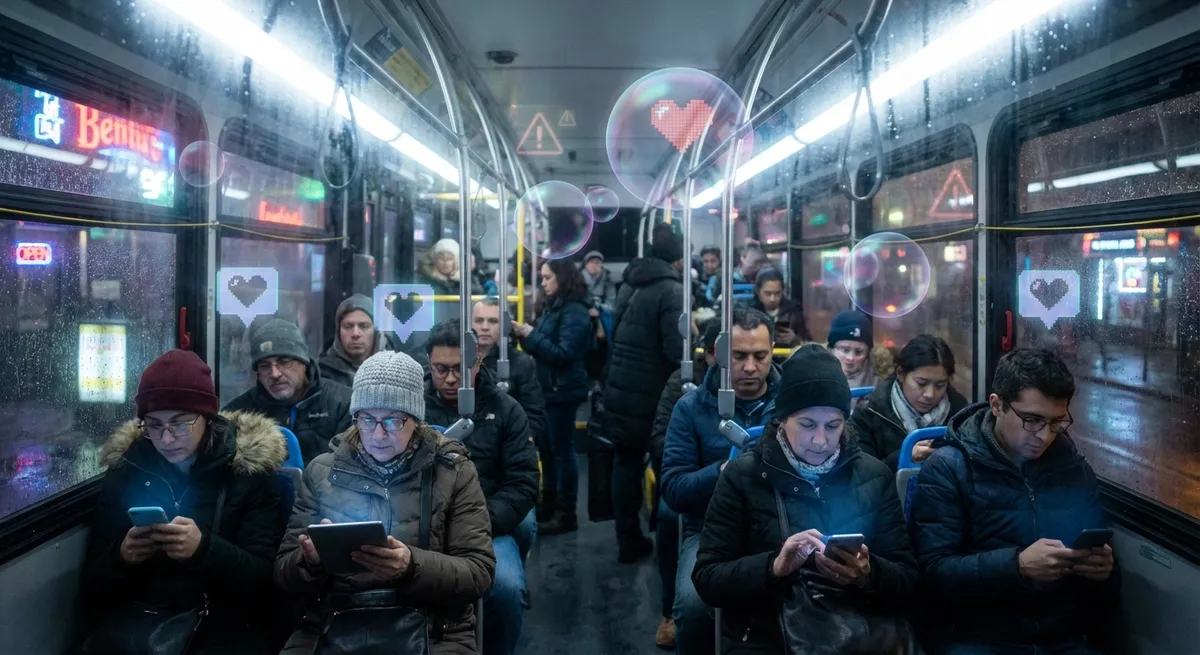
We’re living in a wild era where everything is a potential post, soundbite, or screen-recorded moment. The internet didn’t just change how we talk—it changed how we perform our lives. From “photo dumps” that feel like mini documentaries to strangers live-commenting their entire day, our feeds have turned into a 24/7 global show where everyone has a channel.
This isn’t just about posting more; it’s about how the internet has rewired what we consider “worth sharing.” Let’s dive into the five biggest status-update trends shaping how we present ourselves online right now—and why people can’t stop reposting, stitching, and screen‑shotting them.
1. The “Soft Broadcast”: Casual Posts With Cinematic Energy
Polished, hyper-curated feeds are slowly getting edged out by something way more relatable: the soft broadcast. Think blurry night pics, random subway shots, notes app screenshots, and half-eaten food—posted like they’re stills from an indie film.
Instead of one “perfect” selfie, creators are dropping slideshows that feel like a low‑key movie about their week. It’s not anti-aesthetic; it’s effortless aesthetic. The tone is, “I didn’t try that hard,” even when the vibe is secretly very curated.
Why it spreads:
- It feels real enough to be relatable, but dreamy enough to be shareable.
- People want to escape the pressure of perfection without giving up style.
- It lets followers feel like they’re “in” on your life, not just seeing highlight reels.
This soft broadcast vibe is the feed-equivalent of saying, “Here’s my life, unfiltered but still pretty,” and the internet is fully obsessed.
2. Live Life Narration: Turning Everyday Moments Into Running Commentary
We’ve hit a point where silence is suspicious—if something big (or chaotic) happens, someone is narrating it in real time. From live-tweeting date disasters to TikTok “story times” with full arcs, people aren’t just experiencing moments; they’re packaging them as episodes.
Daily life is getting documented like a TV show:
- “Get ready with me while I tell you about the worst text I ever got…”
- “Come to my job with me while I explain why I might quit.”
- “Walk with me while I rant about what just happened at the store.”
This constant narration turns followers into a live audience. The more dramatic, absurd, or unhinged the story, the faster it gets clipped, stitched, and spread across platforms.
Why it spreads:
- It turns random strangers into characters people root for (or argue with).
- It’s bingeable—one story video leads to 10 more.
- Users feel like they’re part of the plot, dropping comments and advice as if it’s a group chat.
The internet doesn’t just want updates anymore—it wants the director’s commentary.
3. Micro-Communities: Tiny Corners Of The Internet With Mega Influence
The loudest voices online aren’t always the biggest accounts—they’re the tight-knit communities where everyone shares the same niche obsession. We’re talking hyper-specific corners like:
- People who only talk about airplane seats and travel hacks
- Niche fandom edits that build entire lore around a 3-second clip
- Career corners where everyone trades insider tips from one industry
These micro‑communities live on every platform: Reddit, Discord, TikTok, Instagram, and beyond. They’re small, but their posts regularly spill out into the mainstream once a screen-record, screenshot, or stitch hits the right timeline.
Why it spreads:
- People love discovering “secret” parts of the internet that feel exclusive.
- Inside jokes become shareable memes once they escape the niche.
- Brand-new trends often bubble up here before hitting the For You Page.
The internet is no longer one big crowd; it’s a million little rooms—and the most viral trends often start in the smallest ones.
4. Reality Remix Mode: When Offline Moments Are Edited For Online First
There’s a new question people quietly ask themselves at concerts, parties, and even family dinners: “How is this going to look online?” The experience is real, but the way it’s captured is already optimized for the scroll.
You’ll see it everywhere:
- People redoing a moment because the first take wasn’t “postable”
- Friends pausing mid-laugh to get a video from a better angle
- Trips planned with “aesthetic content spots” baked into the itinerary
Instead of living life and then sharing it, a lot of people are designing life around how it will play online. Even “in the moment” content is often pre-planned to feel spontaneous but look polished.
Why it spreads:
- Clips are shorter, cleaner, and more replayable when they’re planned.
- Platforms reward content that hooks instantly, so creators think ahead.
- Viewers get a version of reality that feels ideal but still close enough to real life to imagine themselves in it.
We used to post about our lives; now we sometimes live with posting in mind.
5. Emotion On Display: Public Feelings As A Core Part Of Online Identity
The internet has gone from “only share the wins” to “here’s my full emotional spectrum in 4K.” People are posting:
- Raw breakup timelines and healing journeys
- Therapy takeaways styled like motivational quotes
- Honest check-ins about burnout, anxiety, and pressure
It’s not just oversharing; it’s emotional branding. How you talk about your feelings online becomes part of how people understand your identity. Some creators are known for being chaotic and unfiltered, others for calm life advice, others for high-energy hype content.
Why it spreads:
- Vulnerability, when it feels genuine, is incredibly shareable.
- Viewers see themselves in the posts and send them to friends as “this is so me.”
- It pushes back against the unreal perfection that used to dominate feeds.
We’re watching a big shift: being emotionally transparent is no longer embarrassing—it’s a social media skill.
Conclusion
The internet has turned daily life into a non-stop status update, but this era is about more than posting more content. It’s about:
- Soft broadcasts that make ordinary moments look cinematic
- Constant narration that turns strangers into main characters
- Micro‑communities turning tiny obsessions into global trends
- Real-life moments shaped with the timeline in mind
- Emotions worn publicly as part of our online brand
We’re not just scrolling; we’re watching, performing, editing, and reacting in real time. If you’ve ever caught yourself thinking, “This would make a great post” while something is still happening, you’re living in status update culture—and the internet is watching the episode.
Sources
- Pew Research Center – Social Media Fact Sheet – Data on who uses social media, how often, and how it’s changing over time
- Harvard Business Review – How Social Media Shapes Identity – Explores how online self-presentation and constant sharing affect identity and behavior
- MIT Technology Review – The Internet’s “Micro-Communities” – Breakdown of how small, niche online groups drive wider trends
- American Psychological Association – The Psychology of Social Media – Research-backed insights into emotional expression, connection, and mental health online
- BBC Future – Are We Living Our Lives for the Internet? – Analysis of how content creation is reshaping real-world experiences and self-image
Key Takeaway
The most important thing to remember from this article is that this information can change how you think about Internet Trends.