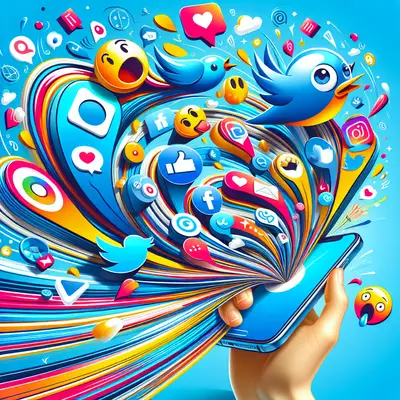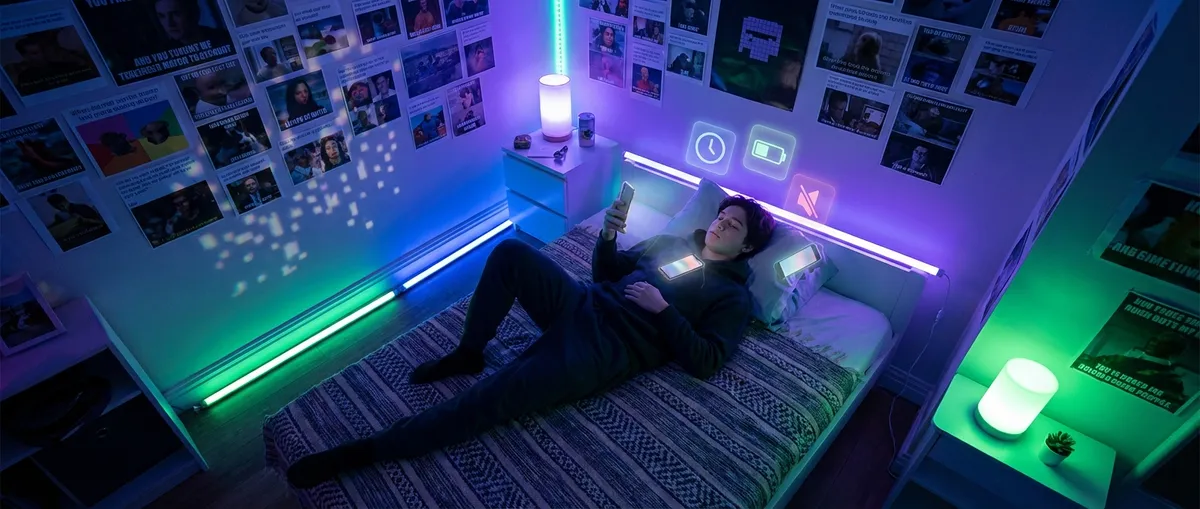
Social media isn’t just “post and hope” anymore—it’s a full-on ecosystem with its own unspoken rules. If your feed feels chaotic, your engagement is flat, or you’re low‑key exhausted from being Extremely Online, you’re not alone.
Right now, users are rewriting how we post, comment, and connect. These aren’t official updates from any app—these are the unwritten, trending rules that people are actually living by. And once you see them, you can’t unsee them.
1. The “Soft Share” Era: Posting Without Oversharing
The old internet was “tell everything.” The new internet is “hint, don’t spill.”
People still want to share their lives, but not their entire GPS coordinates, emotional breakdown, and relationship history in one unhinged post. That’s why the soft share is taking over:
- Soft-launching relationships with a second coffee cup, not a full couple selfie
- Posting trips after you’re home, not while you’re still at the hotel
- Cropped photos that hide street signs, license plates, and house numbers
- Captions that say “life lately” instead of a 12‑paragraph life story
This style hits the sweet spot: personal enough to feel real, private enough to feel safe. It also matches what a lot of younger users now expect online—more control, less chaos, and way more boundaries.
2. Comment-First Culture: Living in the Replies, Not the Post
The real party isn’t the post; it’s the comment section.
More and more, people open TikTok, Instagram, X, or YouTube and immediately scroll to the comments. Why? Because:
- The funniest jokes are in the replies
- Context, fact checks, and corrections show up under the post
- Niche communities basically “live” in certain comment sections
- Brands and creators are dropping personality there instead of in sterile captions
We’re in a comment-first culture, where the main content is just the spark and the replies are the actual show. That’s why screenshots of comments are blowing up on other platforms: people share “top comment energy” like it’s its own type of content.
If you’re posting and ignoring your replies, you’re missing where the real social media game is being played.
3. Algorithm Hacking by Vibes: Posting What Feels Good, Not Just What “Works”
Everyone has seen “best time to post” charts and “perfect hashtag” guides. But there’s a backlash brewing: users are shifting from algorithm obedience to vibe posting.
Instead of obsessing over metrics, more creators and regular users are:
- Posting at random times when they feel like sharing
- Mixing “ugly” photos with polished ones in the same carousel
- Dropping low-effort, off‑the‑cuff content instead of overproduced videos
- Ignoring perfect grids and going for chaotic, personality-driven feeds
The twist? This often performs better because it feels human. People are burned out on content that screams “strategy.” They want content that feels like a friend sent it, not a brand pitched it.
Ironically, the less you try to “act like a creator,” the more creator‑like your engagement can become.
4. Micro-Communities Over Mega-Followers: Smaller Feeds, Bigger Energy
The loudest flex used to be follower count. Now the real power move is having a tight, insanely active micro‑community.
Across platforms, users are quietly shifting to:
- Private or “close friends” stories for their real life
- Niche group chats, Discords, or subreddits for actual conversation
- Smaller, private accounts where people can post unfiltered content
- Following fewer people, but engaging more deeply with the ones they keep
This lines up with what a lot of research is showing: people still want to be online—but not in front of everyone. They want spaces that feel like a living room, not a stadium.
If your goal is to feel connected (not just noticed), building a tiny circle that comments, likes, and actually talks to you will always beat 100k silent followers.
5. “Protect Your Brain” Posting: The Quiet Mental Health Filter
There’s a new filter on social media—and it’s not Clarendon or Paris. It’s the mental health filter.
Users are low-key applying a “protect my brain” rule before they even hit post or follow:
- Muting or unfollowing accounts that trigger comparison or doomscrolling
- Posting less about drama and more about hobbies, wins, or everyday moments
- Blocking generously instead of trying to “debate” bad‑faith commenters
- Choosing platforms and creators that make them feel calm, inspired, or informed
People aren’t leaving social media en masse—they’re curating it like their mental health depends on it… because honestly, it kind of does. Instead of letting the feed happen to them, they’re shaping it around what they can emotionally handle.
The new flex isn’t “I saw everything first.” It’s “I saw what I needed—and logged off.”
Conclusion
Social media isn’t dying; it’s evolving. Quietly, users are rewriting the rules: share softer, live in the comments, vibe over strategy, small circles over big numbers, and mental health over maximum exposure.
If your feed feels off, don’t wait for the apps to fix it. Steal these trending unwritten rules and test them out:
- Share like a mystery, not a documentary
- Treat comments like the main stage, not an afterthought
- Post for people, not robots
- Build your small, loud corner of the internet
- Use social media as a tool—not a trap
Screens are staying. The question is: Are you scrolling on autopilot, or are you actually in control of your feed?
Sources
- [Pew Research Center – Teens, Social Media and Technology 2023](https://www.pewresearch.org/internet/2023/01/25/teens-social-media-and-technology-2023/) - Data on how younger users are shifting their social media habits and platform preferences
- [American Psychological Association – Social Media and Mental Health](https://www.apa.org/monitor/2024/01/trends-social-media-mental-health) - Explores links between social media use, emotional well-being, and emerging coping strategies
- [Harvard School of Public Health – Social Media and Mental Health](https://www.hsph.harvard.edu/news/features/social-media-and-mental-health/) - Breaks down research on social platforms, connection, and psychological impact
- [TikTok Newsroom – How TikTok Recommends Content](https://newsroom.tiktok.com/en-us/how-tiktok-recommends-videos-for-you) - Explains the recommendation system driving For You feeds and algorithm-aware posting
- [Meta Transparency Center – How Instagram Feed Works](https://transparency.meta.com/policies/how-instagram-feed-works/) - Official explanation of Instagram’s feed ranking, useful for understanding algorithm vs. “vibe posting”
Key Takeaway
The most important thing to remember from this article is that this information can change how you think about Social Media.