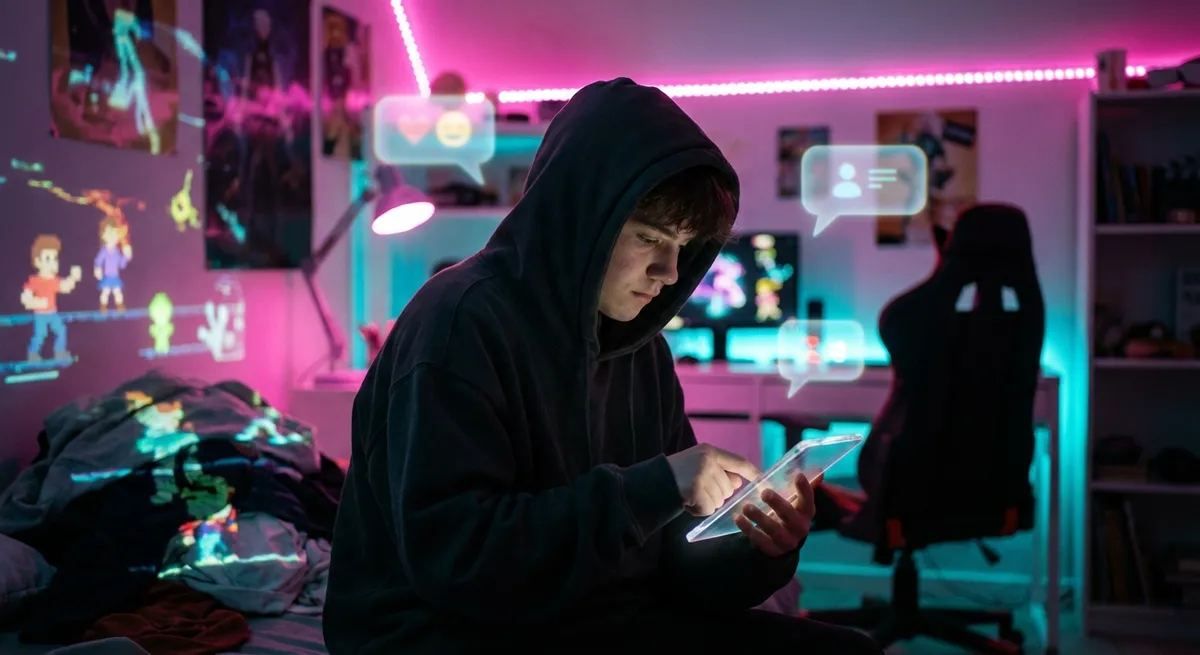
The feed isn’t just “updating” anymore—it’s mutating. Algorithms are getting weirder, creators are getting braver, and users are quietly rewriting the rules of what “going viral” even means. If your timeline feels a little chaotic, it’s not just you. Social media is in a full-on glow-up era—and the changes are happening fast.
Here’s the breakdown of 5 major shifts rewiring how we scroll, post, and go viral right now—aka the stuff your friends will definitely want in the group chat.
1. The Rise of the “Unpolished Flex” (Perfect Is Officially Boring)
The internet has started to collectively yawn at over-edited, overly curated content. The new power move? Looking like you didn’t try that hard… even if you did.
Instead of studio lighting and magazine-level filters, people are blowing up with:
- Grainy, low-effort selfies
- “Messy room, still hot” mirror pics
- Screenshot dumps with random notes, ugly-cute memes, and accidental photos
- Unedited voice notes and chaotic story rants
The appeal: it feels like your friend sent it, not a brand trying to sell you something. It hits that sweet spot between aspirational and “same vibes as my camera roll.”
The twist: brands and creators are now strategically making content look rough around the edges—slightly shaky camera, off-center framing, imperfect captions—because it performs better than polished ads. Being too perfect online now feels dated, almost fake. The new flex is: “I’m doing well, but I’m not trying to convince you of it.”
This is the first big shift: authenticity isn’t just a buzzword anymore; it’s a style.
2. Silent Virality: How You’re Sharing Without Hitting “Share”
You know that post you don’t like, don’t comment on, don’t repost… but you definitely send to three friends in the DMs? That’s silent virality—and it’s running the internet.
Here’s how it works:
- You lurk, you don’t engage publicly—but you do tap “send to”
- Group chats are basically private timelines now
- Stories are the safe space to repost what you won’t put on your main
- “Close friends” lists are the new micro-feeds
The wild part: a post can look “flop” on the surface (few likes, mid comments) and still be exploding privately. Creators are starting to clock this—paying more attention to saves, shares, and DMs than public vanity metrics.
So the real viral question isn’t “How many likes?” anymore.
It’s “How many people quietly sent this to someone important?”
If your content makes people think, “This is so them,” or “I have to show this to someone,” you’ve already won.
3. Fandom Feed: How Micro-Obsessions Run the Algorithm
The era of being casually online is fading. Now, the feed is built around your mini-obsessions—and the algorithm is fully in on it.
People don’t just “like” things anymore, they enter entire universes:
- Hyper-specific creator niches (like “guy who only reviews chaotic hotel breakfasts” or “girl who ranks airport carpets”)
- Ultra-dedicated fan edits that turn random moments into iconic lore
- Niche TikTok/IG subcultures you accidentally fall into and then never escape
- Comment-section in-jokes that become more legendary than the original post
The algorithm rewards this intensity. Once it senses a micro-obsession, it goes: “Say less” and drowns you in it. Before you know it, you’re emotionally invested in a stranger’s houseplants, someone’s relationship arc, or a fictional ship you’ve never even seen on the original show.
The new social media power move isn’t just “going viral”—it’s becoming a universe people want to live in. If your content invites running jokes, recurring characters, or mini fandoms, the feed will keep pushing it.
4. Screenshot Culture: The New Social Media Receipt
Screenshots are low-key one of the most powerful currencies on the internet right now.
Think about it:
- Tweets/X posts live forever in screenshot form on other platforms
- DM convos become memes, jokes, or “he said what?!” receipts
- Comment sections get screen-grabbed and blasted out of context
- Stories, Snapchats, and disappearing content… don’t really disappear
Social media has quietly become a “screenshot-first” ecosystem. Any moment—funny, chaotic, problematic, wholesome—can leak out of its original platform and go everywhere.
The side effect:
People are posting with “future screenshot potential” in mind.
You see it in:
- One-liner captions crafted to be reposted as quote images
- Text posts designed to be passed around group chats
- Call-out posts that are basically pre-packaged receipts
And on the flip side, more users are going private, using “close friends,” or staying in locked group chats because they know: if it can be screenshotted, it can be shared.
The internet never forgets—but now it also never stops screen-grabbing.
5. The “Soft Log Off”: Staying Online While Quietly Opting Out
People aren’t dramatically deleting their accounts anymore—they’re doing something sneakier: the soft log off.
You’ve probably seen (or done) it:
- Muting half your follows without unfollowing
- Posting less on main, more in stories or alt accounts
- Watching everything, posting almost nothing
- Turning off read receipts, active status, and notifications
- Ghosting trends while still being extremely online
Instead of fully quitting, users are renegotiating how visible they want to be. Social media is shifting from “broadcast everything” to “curate who actually sees me.”
The vibe is:
“I still want the tea, but I don’t want to be the main character.”
This has real ripple effects:
- Lurkers are now a massive, invisible audience
- “Low-key” content (no face, no heavy branding, minimal context) feels safer
- Close-knit digital circles are becoming more important than public clout
The future of social isn’t just big numbers—it’s controlled presence. Being online without being available is becoming the new default.
Conclusion
Social media isn’t one big stage anymore—it’s a chaotic mashup of private jokes, low-key flexes, micro fandoms, silent shares, and semi-ghosted users quietly lurking in the shadows.
The real glow-up is this: people are taking back control of how they exist online.
If you want to surf this new wave instead of getting dragged by it, think less about “How do I look viral?” and more about:
- Does this feel like something my friends would secretly DM around?
- Could this spawn an inside joke, not just a one-time laugh?
- Am I posting for humans, or for an algorithm that doesn’t even know me?
The feed is changing fast—but if you lean into realness, share-ability, and community energy, you won’t just keep up with the shift… you’ll be part of the reason it’s happening.
Sources
- [Pew Research Center – Social Media Fact Sheet](https://www.pewresearch.org/internet/fact-sheet/social-media/) – Data on how different age groups use social media and how behavior is changing over time
- [MIT Technology Review – How TikTok Reads Your Mind](https://www.technologyreview.com/2021/12/05/1039850/tiktok-algorithm-how-tiktok-figures-out-your-interests/) – Insight into algorithm-driven feeds and how niche interests get amplified
- [NYTimes – Why Everyone’s Going “Private” on Social Media](https://www.nytimes.com/2023/01/26/style/private-instagram-accounts.html) – Explores the trend of private, alt, and close-friends accounts and quieter posting habits
- [BBC – The Rise of ‘Casual’ Content Online](https://www.bbc.com/worklife/article/20230908-the-rise-of-low-effort-content-on-social-media) – Covers the move away from hyper-polished posts toward more relaxed, “low-effort” styles
- [Harvard Business Review – Understanding Social Media Engagement](https://hbr.org/2022/01/why-your-social-media-metrics-dont-mean-what-you-think-they-do) – Breaks down why traditional metrics (likes, comments) can be misleading compared to shares, saves, and private interactions
Key Takeaway
The most important thing to remember from this article is that this information can change how you think about Social Media.