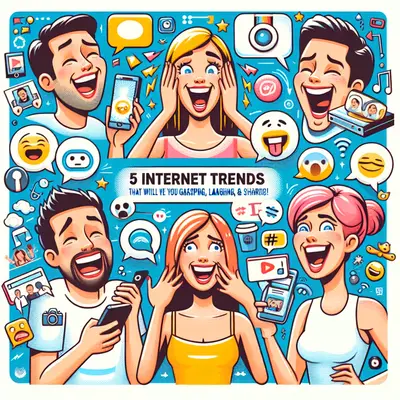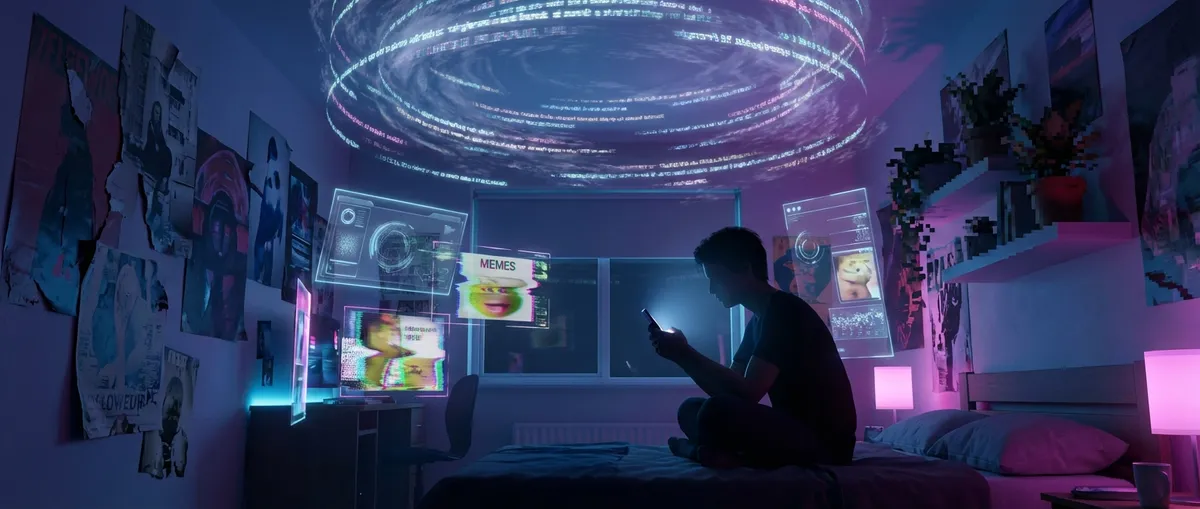
The internet isn’t just where we hang out anymore—it’s how we think, shop, laugh, and even rest. Scroll culture has evolved, and if your feed feels different lately, it’s not in your head. From ultra-niche communities to “quiet flex” content, the way we use the web is getting sharper, softer, and way more strategic.
These five trending shifts are exactly the kind of “omg this is so real” moments people can’t stop sharing—because we’re all low-key doing them.
1. Hyper-Niche Feeds: The Era of “This Is Weirdly Specific but So Me”
Social media used to be broad: big memes, big celebrities, big trends. Now? The algorithm is serving content that feels like it was written by your inner monologue.
People are flocking to ultra-niche corners of the internet: “cozy productivity for chaotic creatives,” “millennial plant parents with anxiety,” “booktok but only for weird fantasy side characters.” Instead of trying to be everything to everyone, creators are going laser-specific—and that’s exactly why they blow up.
The more oddly specific the content, the stronger the “this is literally me” reaction. That reaction fuels comments, shares, and saves—exactly what platforms reward. Brands are catching on too, partnering with micro-communities instead of chasing generic “lifestyle” vibes. The new flex isn’t a massive audience; it’s a deeply aligned one that feels like a friend group.
If your For You Page feels creepily accurate lately, it’s because platforms are doubling down on interest graphs over follower graphs—matching your behavior to others’ micro-interests instead of just who you follow. That’s why one oddly niche video can suddenly live on feeds across the world.
2. The Quiet Flex: Soft Luxury, Subtle Wins, and Low-Volume Bragging
The era of loud flexes—huge stacks of cash, super cars, and “look at my life” montages—is getting side-eyed. The new wave? The quiet flex.
People are still sharing success, but in softer, more aesthetic ways:
- A clean desk with a new laptop instead of a “just made 6 figures” caption
- A simple photo of a boarding pass instead of a full “I’m in first class” tour
- A screenshot of a calendar blocked out with “deep work” instead of “grind never stops” speeches
This vibe hits different because it feels aspirational and achievable. The focus is on taste, peace, and stability over chaos and excess. Think neutral-toned apartments, matcha instead of bottle service, “soft life” routines instead of burnout glorification.
Platforms like Instagram and TikTok are amplifying this through lifestyle vlogs, minimalistic hauls, and calm-day-in-my-life content. It’s still a flex—but it’s curated to feel calm, intentional, and almost accidental, even when it’s very much on purpose.
3. Snackable Deep Dives: Short-Form Content That Feels Weirdly Educational
Attention spans are shrinking, but curiosity is not. That’s why one of the hottest internet shifts is snackable deep dives—short videos and carousels that pack legit knowledge into 15–90 seconds.
Creators are breaking down complex topics into quick, addictive hits:
- Finance and investing in one-minute “here’s what this really means” explainers
- History threads that feel like drama recaps
- Science “did you know?” shorts that feel like mini documentaries
- Legal, medical, or policy breakdowns (with disclaimers) that translate jargon into normal language
This content is easy to save and share, which keeps it circulating way longer than a random meme. It also makes people feel productive while scrolling: learning something new without committing to a 30-minute video.
Platforms have noticed. Features like TikTok’s longer captions, YouTube Shorts, and Instagram Notes are subtly encouraging creators to go beyond dancing and lip-syncing into “edu-tainment.” The most viral posts now often mix “wow, I didn’t know that” with “wait, this is actually useful.”
4. Digital Boundaries as a Status Symbol: Being “Hard to Reach” Is Suddenly Cool
Once upon a time, being online 24/7 was social currency. Now, the flex is: “Sorry, I missed this—I was offline.”
There’s a rising trend of people publicly setting digital boundaries:
- Posting “weekend offline” or “screen-free Sundays” as a norm
- Turning off read receipts and last-seen indicators as a lifestyle choice
- Curating smaller Close Friends lists or private alt accounts for real life updates
- Muting notifications and flexing homescreen setups that hide social apps
This isn’t just wellness marketing—it’s a full cultural shift. The more chaotic the internet gets, the more powerful it looks to opt out intentionally. Being unreachable implies you’re busy living a life worth sharing later, not constantly performing it in real time.
Even major platforms and devices are leaning into this. Features like Focus modes, screen time reports, and “take a break” nudges are quietly normalizing the idea that constant connection isn’t the goal anymore. In 2024, protecting your attention is the new glow-up.
5. Remix Culture 2.0: Collaborative Creativity as the New Clout
The internet used to reward the original post. Now it’s rewarding the remix.
From TikTok stitches and duets to Instagram collabs and template-based memes, the most viral moments often come from chains of people building on each other’s ideas. Someone posts a sound, format, or template—then the community spins it into a thousand micro-variations.
This “remix culture 2.0” makes virality feel more participatory and less top-down. Instead of watching a trend, you join it:
- Rewriting the same joke format with your niche twist
- Using trending audio but pairing it with a totally unexpected scenario
- Turning one person’s storytime into a multi-person perspective chain
It also changes how creators think: they’re designing content that invites interaction—like open-ended hooks, POVs that people can “reply” to, or formats that are easy to copy with a twist. The goal is no longer just to go viral alone; it’s to start a format everyone else wants to play with.
The internet’s most shareable content now feels less like a finished product and more like an open-source project that the whole feed can edit.
Conclusion
The internet might look chaotic on the surface, but underneath the memes and micro-dramas, our online behavior is getting sharper, softer, and strangely more intentional. We’re building hyper-niche feeds, flexing softly, learning in 60 seconds, guarding our attention, and co-creating trends instead of just consuming them.
If you’ve felt your scroll habits shifting, you’re not alone—you’re part of Scroll Culture 2.0. And the people winning in this new era aren’t the loudest. They’re the ones who understand the vibe: specific over generic, calm over chaotic, collaborative over competitive.
Share this with someone whose For You Page has been suspiciously accurate lately—and watch how many “this is actually so true” replies you get.
Sources
- [Pew Research Center – Social Media Fact Sheet](https://www.pewresearch.org/internet/fact-sheet/social-media/) – Data on how people are using major social platforms and how usage has shifted over time
- [MIT Technology Review – The TikTok-ification of the Internet](https://www.technologyreview.com/2022/09/01/1058879/tiktok-social-media-algorithm/) – Explains how interest-based algorithms are reshaping feeds and discovery
- [Harvard Business Review – Why Creator-Led Communities Are the Future of Social Media](https://hbr.org/2021/07/why-creator-led-communities-are-the-future-of-social-media) – Insight into micro-communities, niche audiences, and creator-driven engagement
- [APA – Digital Stress and Mental Health](https://www.apa.org/monitor/2020/04/digital-stress) – Context on digital overload, boundaries, and why people are embracing more intentional online time
- [YouTube Official Blog – The Rise of Shorts and Snackable Content](https://blog.youtube/news-and-events/youtube-shorts-global-launch/) – Background on short-form video expansion and how platforms are prioritizing quick, engaging content
Key Takeaway
The most important thing to remember from this article is that this information can change how you think about Internet Trends.