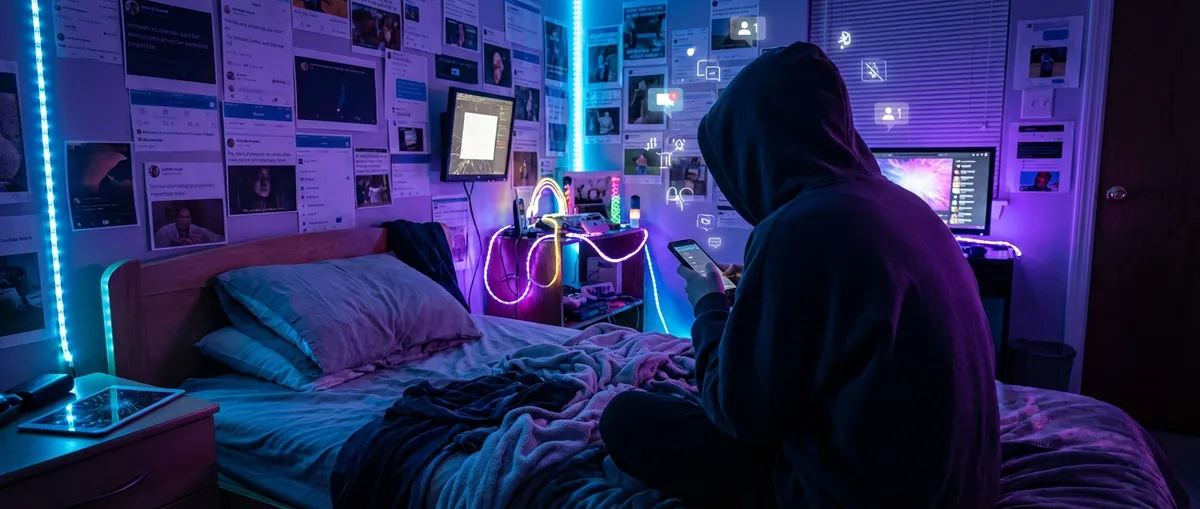
Screenshots used to be receipts. Now they’re a whole personality. From exposing wild DMs to turning bank account balances, playlists, and “Notes app essays” into content, screenshot culture has quietly become one of the internet’s loudest flexes.
Instead of long captions or over-edited posts, people are letting their screen do the talking—and it’s changing how we share, snitch, flirt, and brag online. Let’s break down the new screenshot era and the 5 biggest trends everybody’s low‑key participating in.
1. Notes App Confessions Are the New Press Release
If an apology, break‑up, or “life update” doesn’t come in a Notes app screenshot, did it even happen?
What started as celebrities dropping iPhone Notes apologies has turned into a full-blown aesthetic. People screenshot their Notes for everything: soft-launching a relationship, quitting jobs, announcing moves, or posting vulnerable “here’s what I’ve been going through” essays. It feels casual and honest—like you wrote it at 2 a.m.—but it’s also perfectly curated for the feed.
The power move here is controlled vulnerability. You can write long, emotional text without it looking like a ranty caption. It’s shareable, screen‑record‑able, and meme‑able. And because it looks like something private you snapped quickly, it tricks the brain into reading it as more “real,” even when it’s very much a performance.
2. DM Theater: Turning Private Chats Into Public Entertainment
Posting DMs might be the most chaotic—and addictive—part of screenshot culture.
Group chats, wild Tinder intros, unhinged Instagram replies, “hey stranger” messages from exes: nothing is safe. Blurred names, blocked-out profile pics, and “for legal reasons this is a joke” disclaimers have become the new armor for people who want the drama without the lawsuit.
This “DM theater” trend works because:
- It feels like gossip with receipts
- It turns relationships and situationships into storytime content
- It rewards wit—short, sharp lines screenshot perfectly
- It’s snackable drama that people love to share in their own group chats
Of course, there’s a darker side: privacy violations, context removed, and one-sided narratives. But as long as screenshots are social currency, there’s always going to be someone ready to cash in on a chaotic text thread.
3. Bank Screenshots and Money Flexing Go Full Main Character
Money content used to be subtle: designer bags, fancy trips, luxury cars. Now? People are straight-up screenshotting their banking apps, PayPal receipts, investment dashboards, and “payment received” notifications.
The flex is no longer just what you bought—it’s proof that the money hit.
Some creators pair these screenshots with motivational captions about “hustle culture” or “passive income.” Others post “before and after” screenshots showing a glow‑up from negative balance to savings goals met. Critics call it cringe or fake (and sometimes it is), but the algorithm loves anything that mixes aspiration, numbers, and drama.
What’s wild is how normalized this is becoming, especially on TikTok and Instagram Reels. Money screenshots blur the line between transparency and performance—part financial diary, part branding exercise, and fully optimized for going viral.
4. Playlist & Lock Screen Posts: Micro-Identity in a Single Snap
Your playlist screenshot might say more about you than your bio ever will.
Posting Spotify/Apple Music screenshots, lock screens, or home screen layouts is now a whole vibe—like extending your personality beyond selfies. It’s aesthetic, it’s minimal effort, and it screams “I’m curating my taste even when I’m not in the frame.”
Why this works so well:
- Music = instant mood signal (sad girl era, gym villain, healing arc)
- Aesthetic lock screens and widgets show your digital “room decor”
- It’s low‑pressure content for people who don’t want to post their face
- It invites interaction: “Drop your playlist” or “What song are you gatekeeping?”
Screenshots of playlists and lock screens are basically moodboards in one image. They’re hyper-shareable because everyone sees themselves in them—and wants to flex their own.
5. Screen Recording Storytimes: When a Screenshot Isn’t Enough
Sometimes, one screenshot can’t capture the chaos. Enter: screen recordings as storytelling tools.
Creators are screen‑recording everything—scrolling through old messages, reacting to comments in real time, walking through someone’s unhinged profile, or narrating an email exchange while the viewer watches the receipts roll by. It’s like watching someone’s digital life as a mini docuseries.
This trend lands because it mixes:
- Proof (the receipts are literally moving on screen)
- Personality (voiceovers, reactions, pauses for drama)
- Pacing (you get a whole story in 30–90 seconds)
Instead of just telling you what happened, people show you—step by step, scroll by scroll. The result? High engagement, high watch time, and endless opportunities for viewers to pause, zoom, and dissect every detail.
Conclusion
Screenshot culture is the internet’s new flex language. We’re no longer just posting polished photos—we’re broadcasting our screens: our bank apps, our Notes, our DMs, our playlists, our messy digital trails.
It’s relatable because it feels “caught in the moment,” but make no mistake: a lot of it is still performance, still curated, still brand-building. The line between private and public has never been thinner—or more screenshot‑able.
So before you post your next “receipts” or Notes app monologue, remember: on today’s internet, your screen is your stage. And somewhere out there, someone is already taking a screenshot of your screenshot.
Sources
- Pew Research Center – Social Media Fact Sheet - Data on how people use social media and share content online
- BBC – The rise of ‘finfluencers’ on social media - Context on money flexing, finance content, and online financial transparency
- The New York Times – Apologies in the Notes App Era - Explores the trend of Notes app statements and public confessions
- MIT Technology Review – Inside TikTok’s algorithm and what it favors - Insight into why short, visual “receipt-based” content performs well
- Harvard Business Review – The Dark Side of Social Media - Discusses privacy, performative behavior, and oversharing in digital spaces
Key Takeaway
The most important thing to remember from this article is that this information can change how you think about Internet Trends.