Adult creator drama just jumped from your FYP straight into international law — and the internet cannot stop watching.
OnlyFans model and adult content creator Bonnie Blue is facing a potential 15-year prison sentence in Bali after allegedly filming explicit videos on the island in violation of strict Indonesian decency and anti-pornography laws. What could have been a niche legal story has exploded into a full-blown internet trends moment, forcing creators and fans to ask: Where does “content anywhere” actually stop?
From stan wars on X (Twitter) to “travel like a local, not like a creator” TikToks, this case is turning into a massive online reckoning about platforms, power, and posting without reading the rules.
Let’s break down how this one story is reshaping the internet in real time.
1. “Content Tourism” Is Getting Canceled In Real Time
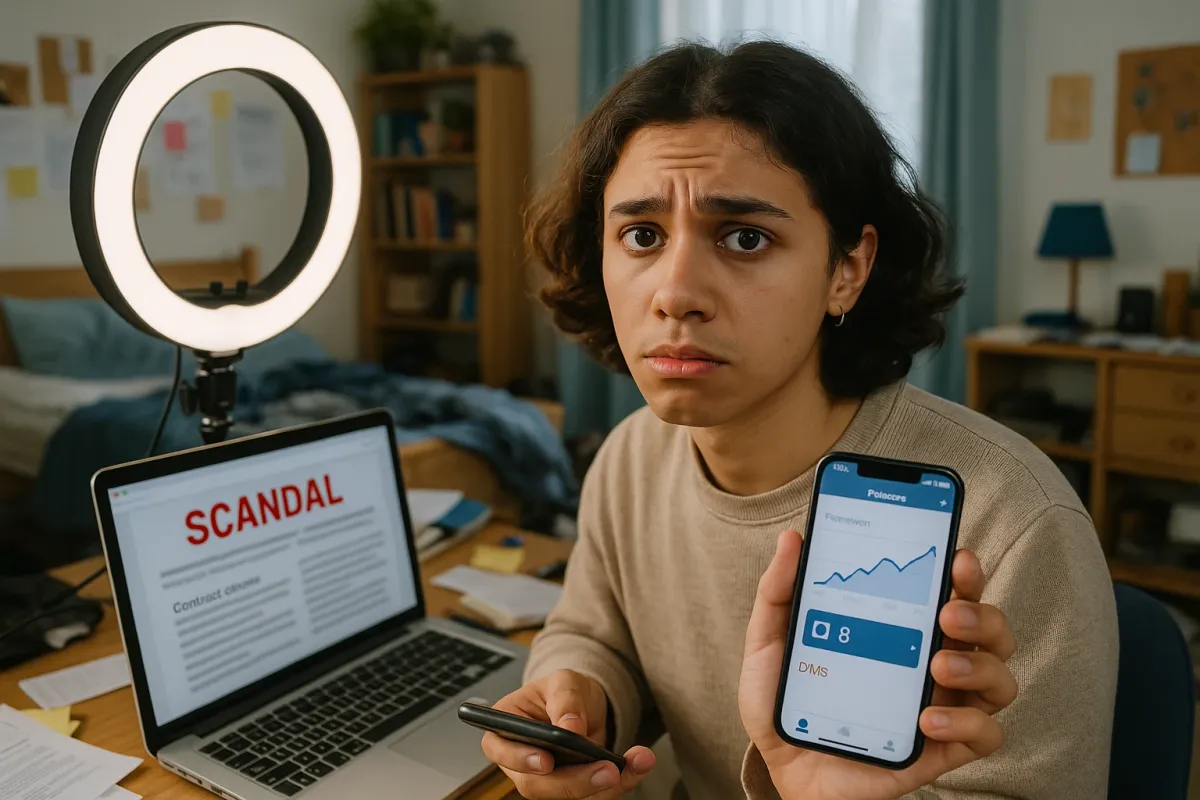
For years, creators have treated the world like a giant backdrop — beach, villa, temple, doesn’t matter, as long as it looks good behind a ring light.
The Bonnie Blue case is blowing that attitude up. Bali isn’t just an aesthetic; it’s a country with strict laws, especially when it comes to public morality and pornography. Local reports say authorities are investigating whether she filmed explicit content on the island and distributed it online, which can fall under Indonesia’s powerful anti-pornography laws. Suddenly, “I’ll just shoot this real quick” doesn’t feel so harmless anymore.
On TikTok and Instagram, you’re seeing a wave of “don’t be that tourist” content:
- Locals explaining what’s actually illegal in Bali and across Indonesia
- Travelers posting “Here’s what influencers never tell you about filming here”
- Comment sections roasting people who treat entire cultures as “vibes”
The trend now? Respect-the-country content. It’s aesthetic travel, but with a legal reality check.
2. NSFW Creators Are Having A Massive “Rulebook Panic”
OnlyFans and adult creators are watching this situation like a live case study in “How bad can this get?” — and the answer appears to be: very.
Across X, Reddit, and Telegram creator chats, there’s a new wave of:
- “Which countries are safe for spicy content?” threads
- Screenshots of local laws being passed around like meme templates
- Creators asking lawyers whether “private villa filming” is actually legally private
Bonnie Blue’s potential 15-year sentence isn’t just a headline; it’s a warning bell. Adult creators have gone from “Find the best neon Airbnb for my next shoot” to “What countries could literally arrest me if I hit record?” overnight.
The new meta in the adult creator world:
- Legal-first travel planning (not just chasing cheap flights and hot locations)
- Geo-fencing content (blocking certain countries from accessing certain videos)
- Being hyper-aware that “online” is still traceable back to a real-world location
The vibe shift is huge: NSFW content is still booming, but “post first, ask later” is officially out.
3. The Internet Is Split: “Respect Local Law” vs “Moral Policing”
Scroll any thread about the Bonnie Blue case and you’ll see the same clash:
- One side: “You knew the laws. Play stupid games, win stupid prizes.”
- The other: “15 years for filming consensual adult content? That’s insane.”
- Some users are defending Indonesia’s right to enforce its laws and protect cultural values
- Others are calling it “digital puritanism” and arguing that global platforms need global standards, not location-based crackdowns
- A third camp is just dropping the classic internet take: “Why are people still doing illegal things in Bali like it’s 2016?”
This isn’t just about one creator — it’s turning into a global culture war in the comments:
The trend here isn’t just debate — it’s people reposting legal breakdowns, explainer threads, and TikToks from Indonesian locals, turning nuance into shareable content. Law professors, digital rights activists, and travel lawyers are suddenly going viral just for explaining how this could happen.
Hot take content is king right now:
- “Should your content be judged by where you post it or where you filmed it?”
- “Are countries ready for globalized NSFW platforms?”
Every side thinks they’re right — which is exactly why the discourse is trending.
4. Platforms Are Quiet… But Creators Are Reading Between The Lines
While governments like Indonesia can act fast, platforms like OnlyFans, X, Reddit, and Telegram are staying mostly quiet. No big press releases. No front-page warnings. Just… silence and vague TOS.
Creators, however, are connecting the dots:
- If your content is hosted in one country, filmed in another, and watched in a third, who actually has jurisdiction?
- Can a government pressure platforms to hand over data or cooperate in cases like this?
- If one high-profile case gets traction, will platforms start tightening rules for “location-based violations”?
- Legal TikTokers explaining which platforms hand over data fastest
- Long Twitter threads about past cases where creators got in trouble for location-based content
- Viral infographics ranking countries by “NSFW risk level” (messy, but shareable)
This is fueling a big trend: “Know Your Platform, Know Your Risks” content. You’ll see:
The Bonnie Blue story is basically becoming the poster child for how offline law, online content, and platform power collide — and creators are finally realizing how exposed they really are.
5. A New Era Of “Responsible Posting” Might Actually Be Trending
Internet culture usually leans chaos, not caution. But this time? You can actually feel a behavior shift kicking in.
In the wake of the Bonnie Blue headlines, creators (not just NSFW) are:
- Adding “Not filmed in X country” disclaimers
- Being careful about geo-tagging locations in real time
- Asking permission before filming in religious, cultural, or protected spaces
- Sharing threads like “Read this before you film content in Bali/Thailand/UAE”
Even non-adult influencers — travel vloggers, fitness coaches, fashion creators — are dueting the story as a cautionary tale. The message is simple and suddenly very viral:
The world isn’t your backdrop. It’s someone else’s home, laws included.
The trend now isn’t just chasing a viral clip; it’s making sure you don’t go viral in a courtroom screenshot.
Conclusion
The Bonnie Blue Bali scandal isn’t just a messy headline about an adult creator — it’s a turning point for how the internet thinks about location, legality, and content creation.
We’ve officially entered the era where:
- “Post anywhere” is dead
- “Read the law before you record” is the new creator survival rule
- And every island paradise has a very real chance of becoming your worst legal nightmare if you treat it like a lawless backdrop for online clout
If you’re posting, filming, vlogging, or streaming in another country, this is your wake-up call:
Your content isn’t just going viral — it might be evidence.
Share this with that one friend who always says, “We’ll figure it out later.”
Because in 2025, “later” might look a lot like a courtroom, not a comment section.
Key Takeaway
The most important thing to remember from this article is that this information can change how you think about Internet Trends.