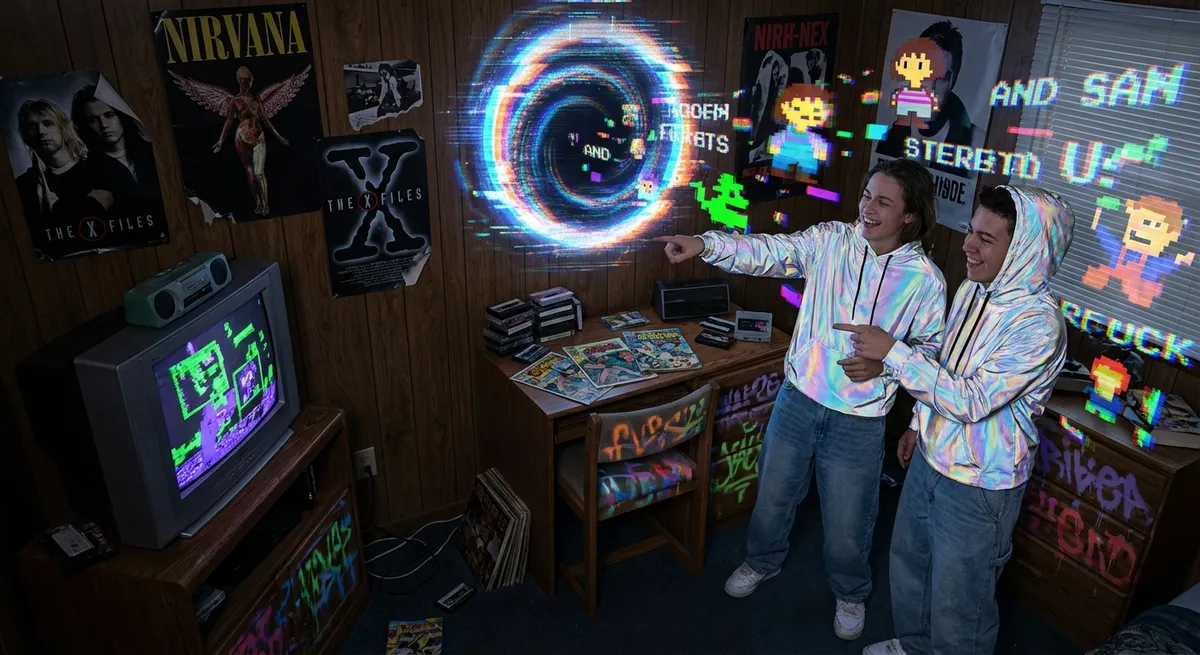
Memes don’t die—they respawn with better fonts and worse intentions. One day your feed is full of NPC TikToks, the next it’s 2012 Rage Comics… again. Internet culture doesn’t move in a straight line; it loops, glitches, and remixes itself like a chaotic time machine with Wi‑Fi.
This is your guide to meme time travel—why old formats suddenly go nuclear, how creators are reviving “dead” jokes, and the five comeback styles that are dominating feeds right now.
The Meme Reboot: When Nostalgia Meets Chaos
Memes age in dog years. Something that felt ancient in 2018 is now “retro core” in 2025. That “so cringe it’s iconic” energy is exactly why meme reboots hit so hard. People love recognizing something from their first iPod days, but they want it dressed up to match today’s hyper-ironic internet humor.
This nostalgia + chaos combo is why old macro images, demotivational posters, and YouTube-era catchphrases keep resurfacing. Creators aren’t just reusing them—they’re mutating them. The same “top text / bottom text” format that once delivered harmless jokes now gets weaponized for painfully specific takes on mental health, burnout, or extremely niche fandom drama.
The magic is in contrast: low-res image, high-intensity insight. It feels like the internet is dunking on its younger self while low‑key admitting we haven’t changed that much. That’s why these reboots go viral: they’re a shared “wow, we really lived through that” moment wrapped in a punchline.
Point 1: Vintage Image Macros Are the New Insider Flex
Those bold white Impact-font memes your older cousin posted on Facebook? They’re back—and they’re weird now. Instead of basic “Mondays suck” energy, creators use them for absurdly specific scenarios: “me, emotionally preparing to open one (1) email.” The contrast between ancient format and ultra-modern anxiety is exactly what makes them screenshot-worthy.
Posting a perfectly unhinged vintage macro in 2025 is like wearing a band tee from a group you actually listened to. It signals you survived the early internet, but your brain has since been fully cooked by TikTok. These memes travel fast because they’re easy to edit, instantly recognizable, and readable in half a second while doom‑scrolling.
On social feeds, they hit that sweet spot between “lol” and “I feel personally attacked.” People don’t just like them—they tag their group chats, drop them in Discord servers, and save them to reaction folders. The format is old, but the delivery? Extremely online.
Point 2: Reaction GIFs Are Getting Lore-Pilled
Reaction GIFs used to be simple: a dramatic eye-roll, a clap, a confused blink. Now, they’re practically fandom artifacts. A single two-second clip from a niche reality show or a decade-old sitcom can carry pages of unspoken context, turning every reply into a mini-story.
The glow-up isn’t in the GIF itself—it’s in the lore people attach to it. That one K‑drama character sighing? Suddenly it’s “me logging in to do the bare minimum in life.” That micro-expression from a 2011 awards show? Now it’s universal shorthand for “choosing chaos and hitting send.” The deeper the origin story, the more fun it is when someone recognizes it instantly.
What makes this trend ultra-shareable is how reusable these reactions are. They’re plug-and-play across fandoms, friendships, and work chats. A single well-chosen reaction GIF can clap back, comfort, or roast without typing a word. That emotional efficiency is why they’re still dominating comment sections—even in the age of ultra-short vertical video.
Point 3: “So Specific It Hurts” Memes Are the New Call-Out
Hyper-targeted memes are ruling the For You Page. We’re talking jokes so precise you feel like your phone snitched on you: “This is for girls who open 47 tabs ‘for later’ and then panic when Chrome sounds like a jet engine.” These posts don’t try to be universal—they try to be terrifyingly accurate for a tiny group.
This is the modern version of inside jokes, but at scale. Someone posts a painfully specific scenario, and thousands of people reply, “Why is this literally me?” It creates instant micro-communities in the comments: strangers bonding over weird sleep cycles, oddly specific snacks, or shared coping mechanisms.
These memes spread fast because they feel like a call-out and a hug at the same time. Sharing one is basically saying, “I’m not okay and apparently none of you are either.” It hits that extremely online sweet spot: a mix of self-drag, relatability, and a tiny bit of oversharing. Algorithm fuel.
Point 4: Template Hopping Turned Everyone Into Meme DJs
Old meme formats don’t resurface randomly—creators DJ them. One day it’s the “distracted boyfriend” template, the next it’s “is this a pigeon?”, then some forgotten reaction panel from a 2008 anime forum is suddenly back on top. People are constantly “remixing” situations into whatever template hits the mood of the week.
This template hopping works like sampling in music. Everyone recognizes the beat (the meme format), but the lyrics change (the caption). When a template starts trending again, creators rush to drop their best spin: capitalism takes, dating chaos, fandom drama, workplace pain. The format itself becomes the challenge: “how can I use this better than anyone else today?”
Users love sharing this style because it rewards creativity and timing. Being early with a killer take on a resurging template can earn major clout. By the time brands catch on and try to participate, the format is already half ironic, half over it—which is very on brand for the internet.
Point 5: Screenshot Culture Turned Our Phones Into Meme Factories
Some of the most viral memes right now aren’t polished at all—they’re raw screenshots: unhinged group chats, cursed auto-corrects, chaotic Notes App confessions, or wild push notifications. The JPEG-ified, slightly blurry look actually adds to the authenticity, like a digital “you had to be there.”
Screenshots are powerful because they feel stolen from someone’s real life, even when they’re staged. The framing is part of the joke: low battery, 87 unread messages, three alarms set for 6:59 AM. Every pixel tells on the user. People share them because they feel like peeking into someone else’s brain for three seconds—and recognizing your own madness in it.
This “phone as meme generator” trend blurs the line between content and conversation. Your texts, drafts, and unfinished thoughts are all potential posts. That raw, almost-too-personal vibe is exactly why they travel: they feel accidental, even when they’re carefully crafted for maximum chaos.
Conclusion
Memes aren’t just random jokes that pop up and disappear—they’re an evolving language with callbacks, reboots, and deep lore. Old formats keep coming back louder because the internet keeps finding new ways to drag, comfort, and expose itself through them.
From resurrected image macros to hyper-specific call-out posts, the most shareable memes right now all do the same thing: they make you feel bizarrely seen in the middle of an endless scroll. That’s why we keep passing them around. In a timeline that moves at light speed, meme time travel is our way of saying, “We’ve been here before—but we’re funnier now.”
Sources
- Know Your Meme - Comprehensive database documenting meme formats, origins, and trends across internet history
- Pew Research Center – Teens, Social Media and Technology - Data on how younger users engage with social platforms where many meme trends begin
- MIT Technology Review – How Memes Got Weaponized - Background on how meme culture evolved and gained cultural impact
- BBC – The Science Behind Why Memes Go Viral - Explores psychological and social reasons certain memes spread widely
- The New York Times – Reaction GIFs and Internet Language - Looks at reaction images and GIFs as a core part of how people communicate online
Key Takeaway
The most important thing to remember from this article is that this information can change how you think about Memes.