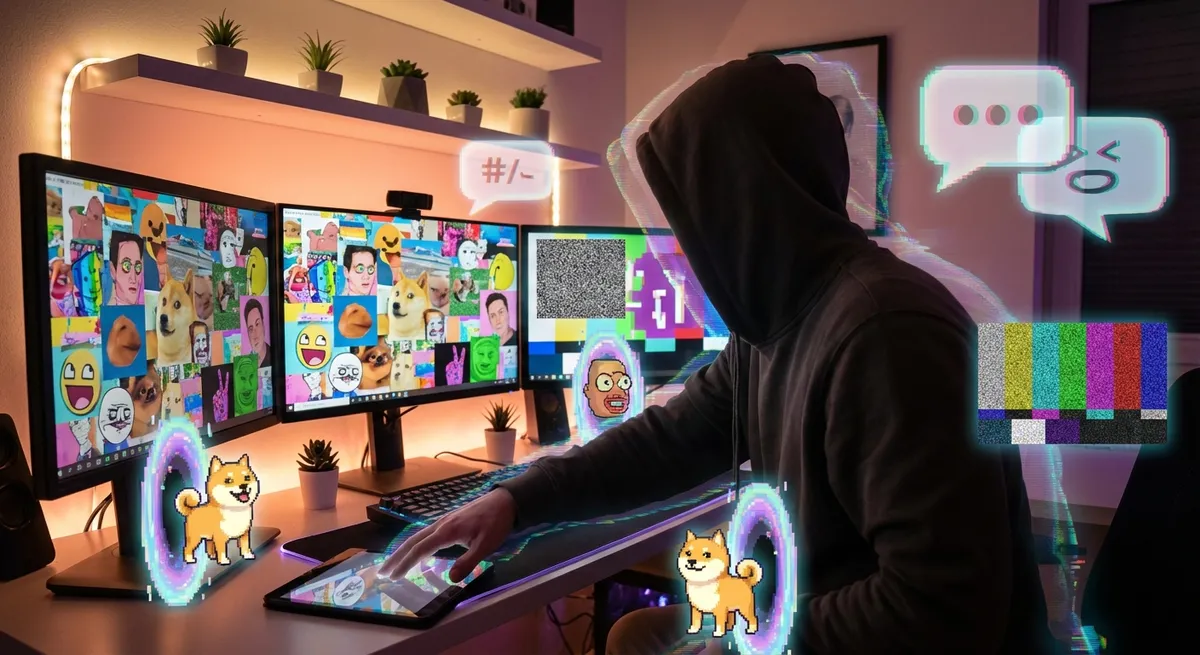
Memes used to be inside jokes. Now they’re entire universes. One template hits the timeline, and within hours there are niche versions for every fandom, friend group, and oddly specific life problem. Welcome to the meme multiverse, where every scroll is a new timeline and every joke is just waiting to be remixed into something weirder, sharper, and way more personal.
Let’s break down the five biggest meme shifts powering this new era of screenshot chaos—and why you keep seeing slightly cursed versions of the same joke all over your feed.
1. Template Takeovers: One Image, Infinite Agendas
You know that moment when you see the same meme image for the fifth time in a day—but the joke hits every single time? That’s template culture in beast mode. One photo, reaction face, or layout becomes the canvas, and the internet treats it like an open-source creativity challenge. The original context barely matters anymore; what matters is how personal you can make it while still being instantly recognizable.
This is why the “guy explaining,” “distracted boyfriend,” or “text message screenshot” formats never fully die—they just get re-skinned for new obsessions. Brands, fandoms, and group chats all grab the same template and inject their own world into it: K‑pop stans turn it into comeback discourse, gamers rewire it for patch drama, students hijack it for exam pain. The template acts like a shared language, so even when the punchline is niche, the format makes it easy to get the joke in one glance. That combo—familiar structure, fresh spin—is catnip for shares, retweets, and reposts.
2. Hyper-Niche Chaos: Memes for Exactly 27 People… and Everyone Else
The weirdest thing about modern memes: the more specific they get, the harder they hit. You’ll see a post like “POV: you’re the group chat friend who sends the 3 a.m. unhinged voice note but never replies before noon,” and suddenly you feel spiritually attacked. Hyper-niche memes tap into micro-experiences so oddly detailed they feel like they’ve been spying on your camera roll.
These memes thrive because they don’t try to be “for everyone”—they’re built for small pockets of the internet: med students, Swifties, D&D players, first-gen college kids, people in long-distance relationships, people who work night shifts, and on and on. Yet when a tiny subculture nail their struggle in meme form, it leaks into the mainstream anyway. The rest of the internet may not fully “get it,” but they recognize the vibe: chaos, burnout, parasocial love, brain fog, group chat drama. Hyper-niche memes feel like secret handshakes that accidentally go viral.
3. Screenshot Storytelling: Memes Are Becoming Tiny TV Episodes
Memes aren’t just single images anymore; they’re mini episodes told through screenshots, fake texts, AI chat snippets, and stitched videos. You don’t just get a punchline—you get a full three-act story in under 15 seconds. Think: text conversations that escalate into absurdity, fake “news alerts” about ridiculous events, or side‑by‑side screenshots that show “expectation vs. reality” in brutal HD.
This style works because your brain is trained to binge stories. The first screenshot hooks you, the second raises the stakes, the third lands the joke. On video platforms, creators stack memes into narrative slideshows, turning your FYP into a meme anthology. The format also makes it super easy for others to jump in: add one more panel, reply with a new “episode,” or duet with your own spin. Instead of one-off jokes, memes become sagas—complete with recurring characters, callbacks, and running gags that only the chronically online truly understand.
4. Meme + Music Fusion: Audio that Hijacks Your Brain
Some memes you see. Others you hear for weeks. The new meme engine is audio: ultra-clippable sounds, dramatically out-of-context quotes, sped‑up songs, or unhinged voice notes that get Frankensteined into everything. One TikTok sound or remix can mutate into dance challenges, reaction videos, storytelling trends, and ironic edits in a matter of hours.
This fusion is deadly effective because the audio does half the work. Even if you scroll past fast, your brain registers the sound, and suddenly you’re recognizing it in different videos and formats. Memes start living rent-free in your head as jingles, not images. Artists and labels know this—entire promo campaigns now revolve around making a specific lyric or beat “memeable.” Meanwhile, regular users bend those sounds into jokes about their ex, their job, their dog, or that one unhinged group chat friend who always sends the cursed links. If a song starts charting out of nowhere, odds are the meme world got to it first.
5. Real Life as Meme Fuel: Turning Daily L’s into Shared Lore
The line between “real life” and “meme content” is basically gone. Awkward Zoom screenshots, unfiltered security cam moments, chaotic crowd clips, weird product reviews, and even public sign typos get scooped up and turned into plug‑and‑play meme formats. One random stranger’s facial expression becomes the world’s default emotion for “I’m pretending this is fine but I want to scream.”
This hits because memes now feel like collective documentation: the internet constantly turning normal life into visual slang. People film their own L’s on purpose—failed recipes, gym mishaps, grocery store weirdness—knowing it could become a reaction image or relatable clip for thousands of strangers. At the same time, there’s a running conversation about privacy and consent; some platforms are tightening rules, and users are more vocal about not turning real people into punchlines without context. The result: a messy but powerful trend where lived experience becomes raw meme material, and the audience decides whether it’s iconic, exploitative, or both.
Conclusion
Memes aren’t just “funny pictures” anymore—they’re the way the internet thinks out loud. Templates act like shared grammar, niche memes build tiny cults, screenshots tell micro-stories, audio rewires your brain, and real life keeps leaking into the timeline as endless remix fodder. That’s the meme multiverse: one joke, infinite branches.
Next time you recognize a format and instantly know how you’d spin it, that’s your signal—you’re not just scrolling the meme universe, you’re part of the writers’ room. Screenshot it, remix it, stitch it, duet it. The next timeline in the multiverse is literally one post away.
Sources
- Know Your Meme - Documentation of meme formats, origins, and evolution across platforms
- Pew Research Center: Social Media and News Fact Sheet - Data on how people use social media and visual content online
- MIT Technology Review – How Memes Got Weaponized - Background on meme culture and its broader impact
- The Atlantic: The Internet Meme as a Form of Communication - Explores memes as a new language and cultural expression
- TikTok Newsroom – What’s Next Report - Insights on audio, trends, and creative formats driving viral content
Key Takeaway
The most important thing to remember from this article is that this information can change how you think about Memes.