Memes don’t just “go viral” anymore—they reincarnate. One sound on TikTok turns into a dance, then a skit, then a text-post format, then a screenshot on Instagram, then a remix on YouTube, then somehow your mom sends it to the family group chat four weeks late. Welcome to the meme multiverse, where a single joke spawns infinite versions across platforms—and we’re all co-writing the script in real time.
This is your crash course in how memes are evolving right now: how they spread, why they change, and the new “unspoken rules” behind the posts everyone is quietly recycling, remixing, and rebranding as their own.
From Single Joke to Shared Language
Memes aren’t just about laughs anymore; they’ve become a kind of social shorthand. Instead of explaining how you feel, you drop the perfect reaction image or audio clip and everyone just gets it. That “seen this?” tag on a reel, or the “this is so us” share in your group DM—those are tiny language moments powered by memes.
What’s wild is how fast this language updates. A template can go from unknown to overused in a week, then quietly retire into “only funny ironically” territory. People use memes to signal what side of the internet they’re on: are you chronically online, normie-adjacent, or “I only use Facebook” coded? The formats you choose say it all. Memes have shifted from jokes we watch to tools we use, and how you use them is now part of your online identity.
The Remix Reflex: Why We Can’t Just Repost Anymore
Straight reposts are starting to feel lazy—remix is where the clout lives. Everyone wants their version to be the version, so you're seeing meme formats get stretched, flipped, and recontextualized way faster than before. That TikTok sound you heard in a dance video? Two days later, someone’s using the same audio for a “point of view” skit, then another creator turns it into a fake documentary voiceover.
This remix reflex is basically the internet’s group project. One person creates the “blank meme template,” and the crowd rushes in to fill it with hyper-specific scenarios. The better your twist, the more shareable it becomes: niche workplace drama, oddly specific family dynamics, painfully accurate “this is me at 2 a.m.” content. The new flex isn’t finding the meme first; it’s evolving it in a way that feels so true people have to tag a friend.
Niche Memes, Big Energy: Hyper-Specific Is the New Relatable
We’ve moved past generic “Monday sucks” content. Today’s hottest memes are uncomfortably specific: your oddly toxic group chat rituals, a particular type of coworker energy, the exact chaos of your country’s public transport system. The more it feels like someone looked directly into your life and took notes, the harder it hits.
This niche wave is powered by algorithm bubbles. Each subculture—K‑pop stans, finance bros, alt TikTok, booktok, fandoms, gamers—breeds its own meme ecosystem with inside jokes that barely make sense outside the circle. But when one of those niche formats escapes its bubble and hits the mainstream, it explodes, because it carries that “if you know, you know” flavor that makes people feel like insiders when they get it. Hyper-specific is the new universal: the internet relates hardest when something feels too real.
The Meme Timeline: How a Trend Lives, Peaks, and Dies
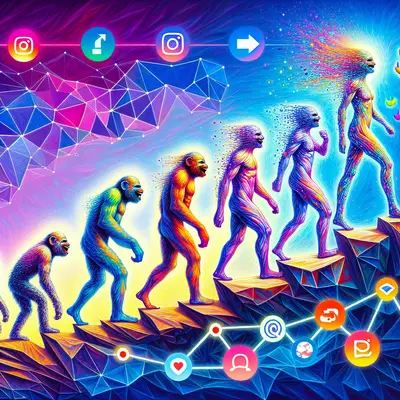
If memes had a LinkedIn, their resume would read: “Fast learner, faster burnout.” The lifecycle is brutal now: discovery, obsession, saturation, ironic use, then exile to boomer pages and late-night TV monologues. The speed of this cycle is why you sometimes feel cringe using a format that was iconic literally two weeks ago.
Creators and casual posters are getting smarter about timing. Drop your meme too early and no one understands it. Wait too long and you’re “this you?” levels of late. People are starting to treat meme formats like seasonal drops: use it during the sweet spot and then retire it before it hits corporate brand account territory. Knowing when to move on has quietly become a new internet survival skill—and a key way to not look offline in a hyper-online world.
Screenshots, Side-Eyes, and “Did You See This?” Culture
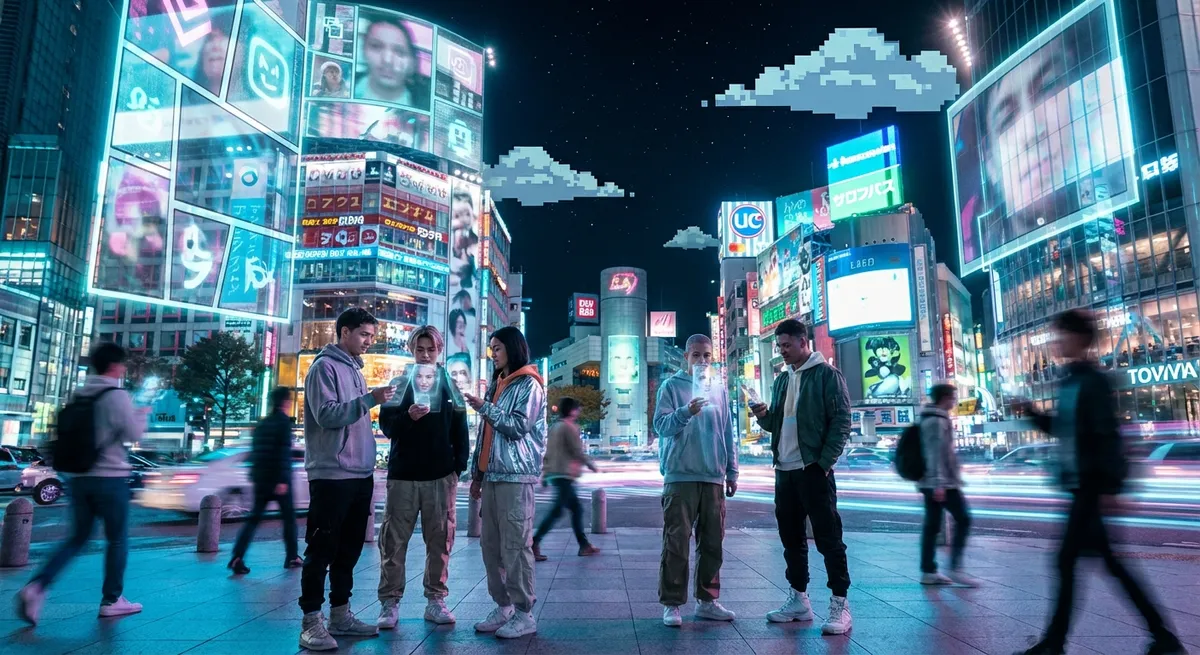
A lot of meme power now lives off-platform. Screenshots of tweets on Instagram, TikTok videos reposted as Reels, Reddit threads turned into carousel posts—half the internet is just screenshots of the other half. People don’t just consume memes in one app; they curate them, dragging their favorites across platforms to show “their version” of the internet to friends.
The share button is basically social currency. Who you tag, what you forward, what you quietly save for later—these tiny choices map out your vibe. Some people are “chaotic meme at 3 a.m.” friends. Others are “darkly specific work memes at 9:07 a.m. on Monday” friends. Memes have become a way to say, “I saw this and thought of you,” without actually typing the words. The content is the conversation.
Conclusion
Memes used to feel like random viral lightning strikes. Now they look more like a constantly shifting universe we all live in and shape together. One audio, one screenshot, one throwaway caption can become the backbone of a month’s worth of inside jokes, remixes, and “this is too real” reactions.
If you zoom out, the meme multiverse is basically the internet’s group diary: chaotic, fast, brutally honest, and always one step ahead of whatever you were about to post. Learn the language, ride the wave, and remember—somewhere, someone is already turning your most unhinged thought into tomorrow’s new favorite format.
Sources
- Know Your Meme - Database documenting meme origins, formats, and evolution across platforms
- Pew Research Center – Social Media and Online Trends - Data on how people use social media, share content, and engage with digital culture
- MIT Technology Review – How Memes Shape Online Culture - Analysis of memes as a communication tool and cultural force
- The Atlantic – The Secret Life of Memes - Exploration of meme culture, business, and social impact
- BBC Future – What Internet Memes Can Tell Us About Ourselves - Looks at how memes reflect societies, identities, and global trends
Key Takeaway
The most important thing to remember from this article is that this information can change how you think about Memes.