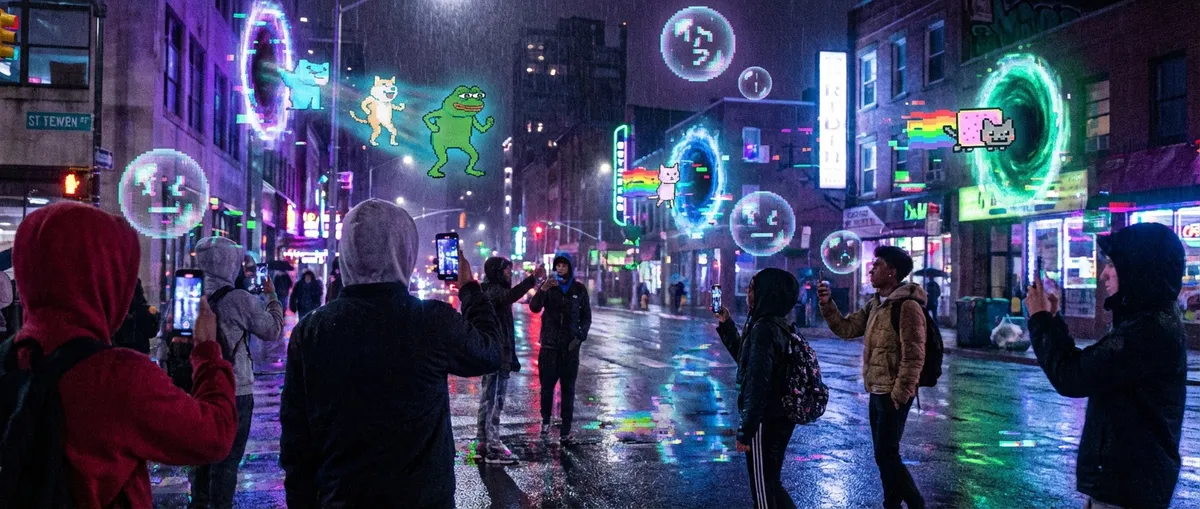
Memes aren’t just what you scroll past anymore—they’re the language, the vibe, and sometimes the whole personality of the internet. They decide what brands say, how friends roast each other, and even how we talk about serious news. If it doesn’t have a meme, did it even happen online?
Let’s plug into the meme multiverse and break down the five biggest meme-powered shifts everyone’s feeling right now—on TikTok, X, Instagram, and everywhere you’re doomscrolling daily.
When Memes Become a Personality, Not Just a Post
We’re past the era of “haha funny picture.” Memes have turned into full-on identities. People aren’t just sharing jokes—they’re picking “their” formats like astrology signs. Are you the unbothered reaction screenshot person? The chaotic deep-fried meme sender? The hyper-specific “too real” meme sharer?
This meme-as-a-personality wave shows up in how people introduce themselves online: bio lines full of inside jokes, dating profiles with meme references as green flags, and group chats that function like ongoing meme museums. Whole friendships are built on sending the exact right meme at the exact right moment.
Even brands are trying to tap it. They’re not just posting generic reaction GIFs—they’re building “relatable” online personas around meme types (think self-roasting fast food accounts and “chronically online” snack brands). The line between who you are and what you meme just keeps getting blurrier, and honestly, nobody’s mad about it.
Screenshot Culture: Memes Are the New Receipts
If it’s funny or unhinged enough to be screenshotted, it’s basically a meme in waiting. We’re in the era where random text messages, comment sections, private Discord jokes, and even Notes app rants get turned into viral content. One weirdly specific text like “I’m not mad, I’m just rebranding” can become the template for a thousand remixes.
Screenshot memes hit different because they feel sneaky and real, like we’re peeking into someone’s life—even when they’re completely fabricated. Add a fake contact name like “Therapist” or “Situationship #3,” drop a chaotic message, and suddenly you’ve created a mini drama people want to send to everyone they know.
This “screen cap or it didn’t happen” energy has also pushed platforms to adapt. Mobile-first layouts, vertical formats, and text-based content thrive because they’re so easy to crop, repost, and re-caption. Memes used to live in image editors; now they’re born directly in your messaging app and promoted to the timeline when they hit maximum unhinged energy.
Sound Bites & Face Cams: Meme Moments You Can Lip-Sync
Memes now travel as full sensory experiences: a specific sound bite + a familiar face cam = instant trend. Every week, there’s a new audio clip that takes over TikTok and Reels—one line from a podcast, a dramatic reality show quote, or a throwaway interview moment that suddenly becomes the script for half the internet.
The magic is how people remix them. One sound becomes a hundred different situations: “when your boss sends you a ‘quick email’ on Friday at 4:59 PM,” “when you open your banking app after brunch,” “when you remember that thing you said in 2017.” Same sound, new joke every time.
Creators know a sound has meme potential when:
- It’s short and super quotable
- It’s dramatic or relatable enough to fit daily chaos
- It lets people act, overreact, or thirst-post
Even artists and studios are in on it now—music labels quietly push songs to meme creators, and shows drop ultra-clip-worthy scenes because one iconic line can sell an entire season. A meme-able sound isn’t just a joke; it’s a marketing tool with a built-in fan army.
Micro-Niche Memes: Hyper-Specific Jokes for Tiny Corners of the Internet
The internet used to bond over one big meme at a time. Now? Every niche has its own private comedy club. There are memes only nurses get, only gamers get, only K‑pop stans get, only people who work from home on a broken laptop get. And they are feral in the best way.
These hyper-specific memes go viral inside tight pockets before anyone else even notices. A college major, a fandom, a profession, a hobby—each has its own evolving meme language. If you get it, you feel seen. If you don’t, you just scroll on wondering what dimension that joke came from.
This micro-meme culture makes the internet feel both smaller and bigger at the same time. Smaller, because your people can share jokes tailored exactly to your experience. Bigger, because there’s always some new weird subculture inventing the next iconic format before it escapes into the mainstream. The future of memes isn’t one big joke—it’s a million tiny ones connecting people who’ve never met.
Meme Literacy: The New Internet Street Smarts
Knowing your memes isn’t just about being “online”; it’s low-key a survival skill now. Meme literacy means you can:
- Tell if a screenshot is edited or out of context
- Recognize when a “funny” clip is actually misinformation
- Spot when brands are forcing a meme and it feels cringe
- Understand when a meme references something problematic in the past
Memes move faster than fact-checks, so being media-savvy includes knowing when a trend might be spreading bad info, harmful stereotypes, or stolen content. Major news events get memed in real time, and while that can help people process heavy topics, it can also blur what’s real and what’s just for laughs.
On the flip side, meme literacy is power. Activists use memes to spread info quickly, everyday people use them to call out bad behavior, and communities use humor to cope with burnout, stress, and global chaos. If you can decode a meme, you’re basically fluent in the internet’s most powerful inside language.
Conclusion
Memes have leveled up from background noise to the main soundtrack of online life. They shape how we talk, who we connect with, what we buy, and how we feel about almost everything happening in the world. From screenshot drama to niche in-jokes and sound bites that take over your For You Page, memes aren’t just entertainment—they’re culture, communication, and sometimes low-key therapy.
So the next time you save a meme “for later,” remember: you’re not just collecting jokes. You’re archiving the internet’s mood in real time. Share wisely, remix creatively, and stay meme-literate—the multiverse is only getting weirder from here.
Sources
- Pew Research Center – Teens, Social Media and Technology - Data on how young users interact with social platforms and online culture
- MIT Technology Review – How memes became a major global language - Explores how memes evolved into a key form of communication
- BBC – The power of internet memes - Breaks down why memes spread, stick, and influence behavior
- Harvard Kennedy School Misinformation Review - Research on how memes and viral content intersect with misinformation
- TikTok Newsroom – How trends start on TikTok - Official insight into how sounds, formats, and memes turn into platform-wide trends
Key Takeaway
The most important thing to remember from this article is that this information can change how you think about Memes.