Memes aren’t just jokes anymore—they’re a whole vibe. Your feed is basically a living moodboard, stitched together from screenshots, chaotic captions, and oddly specific feelings you didn’t know anyone else had. What used to be “haha funny image” is now a full-blown language of aesthetics, micro-styles, and ultra-shareable formats that spread faster than you can type “send to close friends.”
This is your field guide to the meme moods ruling right now—what they look like, why they smack so hard, and how to spot them the second they sneak into your timeline.
1. Hyper-Specific Relatable Meme Dumps
Forget generic “when you’re tired” memes. The internet has pivoted to hyper-specific, oddly personal chaos: “POV: you’re the friend who always says ‘send pics’ and then forgets to reply,” or “me, a gifted kid who peaked at 13, trying to schedule a dentist appointment.” The more niche it is, the louder people hit share.
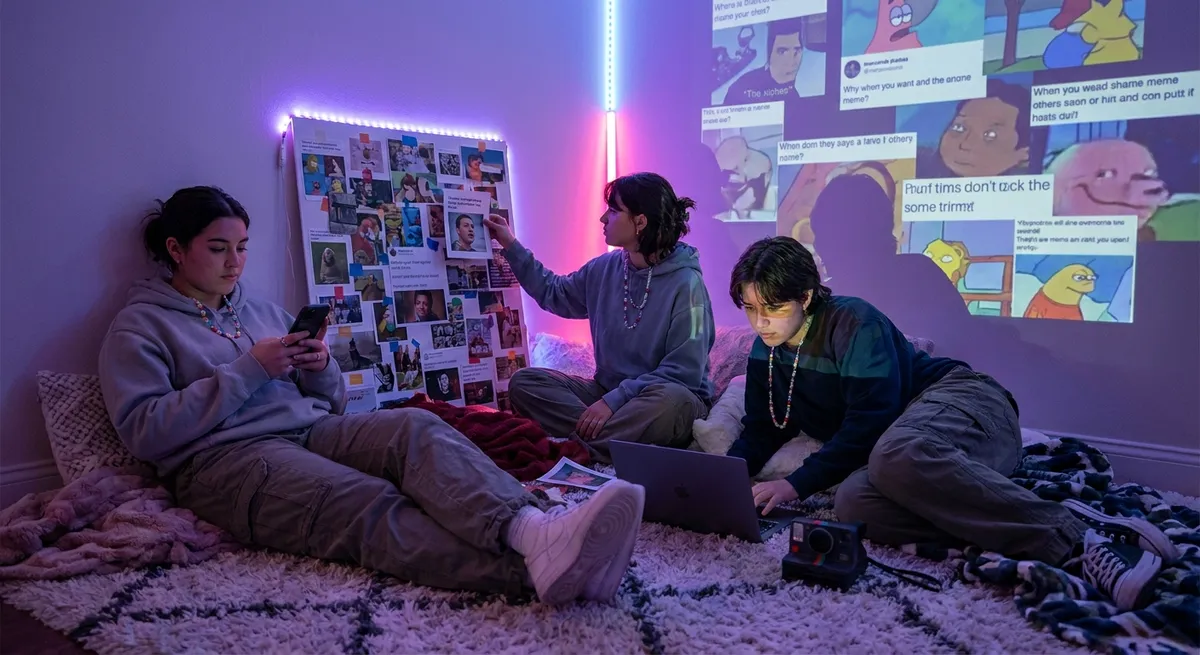
These memes usually show up as multi-slide dumps: blurry screenshots, unhinged tweets, messy photo collages, and captioned pics that feel like you accidentally opened someone’s brain. They’re hilarious because they feel like inside jokes you didn’t know you were part of. We’re talking hyper-niche but somehow universal at the exact same time.
What makes them so viral is the “omg this is literally me” factor. People tag friends, send them in group chats, or repost to stories with a simple “WHO MADE THIS ABOUT ME.” It’s free therapy, but in JPEG form. Creators who nail this vibe aren’t just funny—they’re basically narrating an entire generation’s anxiety, procrastination, and main-character moments in meme format.
2. Screenshot Culture: Tweets, Texts, and Out-of-Context Chaos
Screenshots are the new meme canvas. Tweet screenshots, chaotic group chats, unhinged TikTok captions, and random app notifications are getting cropped, reposted, and remixed across every platform. A single tweet can live five different lives: on X, Instagram, TikTok slideshows, Pinterest boards, and in your friend’s “this is so us” photo album.
The magic here is low effort, high relatability. No fancy design, no deep editing—just a screenshot with a vibe. The “crop, post, chaos” formula lets anything become a meme: your notes app rant, your search history, your calendar reminder from 2019 that just resurfaced for no reason.
This format spreads because it feels weirdly authentic. Screenshots look like receipts from real life, so even obviously staged ones get a pass. People trust them, meme them, then layer new jokes on top. It’s not just about what’s said—it’s where it came from: a tweet, a text, a notification. That context is the joke.
3. AI-Mashed Memes: Cursed, Aesthetic, and Weirdly Emotional
AI didn’t just crash into art and music—it walked straight into meme culture and put its feet on the table. We’re seeing AI-generated images of SpongeBob at Renaissance paintings, Shrek as a Wes Anderson character, your favorite anime cast in hyper-realistic 90s school portraits, and cursed “what if” scenarios nobody asked for but everyone shares.
The appeal is that AI lets the internet mash up totally unrelated worlds at scale. It’s fan art, parody, and surreal dream logic rolled into one scroll-stopping image. Sometimes it’s painfully funny (like AI-generated fast-food mascots in horror movies), other times it’s shockingly beautiful in a “why does this meme kind of make me emotional?” way.
People share these AI memes because they feel fresh and slightly illegal—like content from an alternate timeline. Platforms are racing to add AI tools directly into apps, which means the meme factory is only getting faster. The new flex isn’t just finding a wild image—it’s being the first in your circle to drop it in the chat.
4. “Core” Culture: Turning Every Weird Little Habit Into an Aesthetic
Everything is “core” now—and memes are the engine driving it. No longer just cottagecore or normcore; we’ve hit chronically-online-core, delulu-core, side-character-core, “girl who drinks iced coffee in winter”-core. If it’s a vibe, someone has turned it into a memeable aesthetic and slapped “core” on the end.
This trend blows up because it gives people language for the way they already act. A simple post like “I’m entering my ‘no plans, full playlist, headphones-on-core’ era” comes with a whole visual package: collages, outfits, screenshots, and memes orbiting that mood. It turns tiny habits into shareable identity badges.
Memes are the unofficial branding for these mini-aesthetics. People repost them to say, “this is my personality this week.” The more specific, the better—it’s not just “hot girl summer” anymore, it’s “chronically tired but still kind of iconic-core.” The internet keeps inventing new cores; the memes decide which ones actually stick.
5. Nostalgia Remix: Y2K, Early 2010s, and “Remember This?” Energy
The internet has entered its nostalgia era, and memes are basically running the reunion tour. Old websites, early Instagram filters, One Direction tweets, 2012 Tumblr screenshots, iPod click wheels, and blurry photos from the first front cameras are all getting revived, roasted, and romanticized at the same time.
These memes work because they hit two emotions at once: “wow that was cringe” and “I kind of miss it though.” People quote old song lyrics like sacred text, repost screenshots from peak Tumblr days, and meme old interface designs as if they’re ancient artifacts. It’s shared history, but in meme form.
The nostalgia remix isn’t just for aesthetics—it’s how younger users learn internet lore and older users trauma-bond over their past online lives. A single meme about “liking someone’s status for a TBH” unlocks a full-body flashback for thousands of people. That mix of comfort and chaos is meme rocket fuel—and nostalgia isn’t slowing down anytime soon.
Conclusion
Memes have fully broken out of the “funny picture” box and turned into the mood engine of the internet. Hyper-specific dumps, screenshot chaos, AI mashups, “core” aesthetics, and nostalgia remixes are rewriting how we express ourselves, find our people, and drag our own lives in the group chat.
The next time you share a meme, pay attention to the mood behind it. Are you posting it because it’s hilarious, painfully accurate, oddly beautiful, or all three at once? That’s the real power of today’s meme culture—it doesn’t just make you laugh, it makes you feel seen. And on a timeline that moves this fast, that’s exactly why we keep hitting share.
Sources
- Pew Research Center – Teens, Social Media and Technology 2023 - Data on how young users interact with social platforms and digital culture
- New York Times – How Memes Became the Language of the Internet - Background on how memes evolved into a primary online communication style
- MIT Technology Review – The Messy, Secretive Reality Behind AI Art - Context on how AI-generated imagery is reshaping visual culture, including memes
- BBC Future – Why We Can’t Resist Nostalgia - Explains the psychological pull behind nostalgia, which fuels throwback meme trends
- Stanford University – Social Media, Identity, and the Self - Discusses how online aesthetics and posts shape personal identity and self-expression
Key Takeaway
The most important thing to remember from this article is that this information can change how you think about Memes.