Memes aren’t just jokes anymore—they’re a whole vibe. Your feed is basically a moving moodboard of inside jokes, chaotic screenshots, and oddly specific feelings that somehow describe your entire personality. Today’s memes aren’t just about laughing; they’re about signaling identity, flexing niche taste, and finding your people in the comments section at 2 a.m.
Let’s break down the meme waves everyone’s quietly surfing—and exactly why they keep exploding across TikTok, X, Instagram, and beyond.
Hyper-Relatable Chaos: When Your Brain Becomes The Punchline
The most shareable memes right now don’t just say “this is funny”—they scream “this is literally me.” The internet has fully embraced the messy inner monologue: doomscrolling at 3 a.m., socially anxious small talk, procrastinating with 17 tabs open and doing none of them. Memes that turn anxious thoughts, burnout, or cringe habits into chaotic punchlines are dominating because they make people feel instantly seen.
Instead of polished, aspirational content, users are gravitating toward “I’m unwell but in a funny way” content. Screenshots of Notes app confessions, janky Canva graphics with way too much text, and unhinged tweet screenshots are the new elite meme format. These memes travel fast because anyone can plug themselves into the joke—reposting them feels like saying, “If you get this, you get me.” The more specific the scenario (“when you open a text, read it, and decide to panic about replying for 3–5 business days”), the better the engagement. Hyper-relatable chaos turns personal flaws into a group meme therapy session.
Nostalgia Remix: Turning Childhood Into Meme Currency
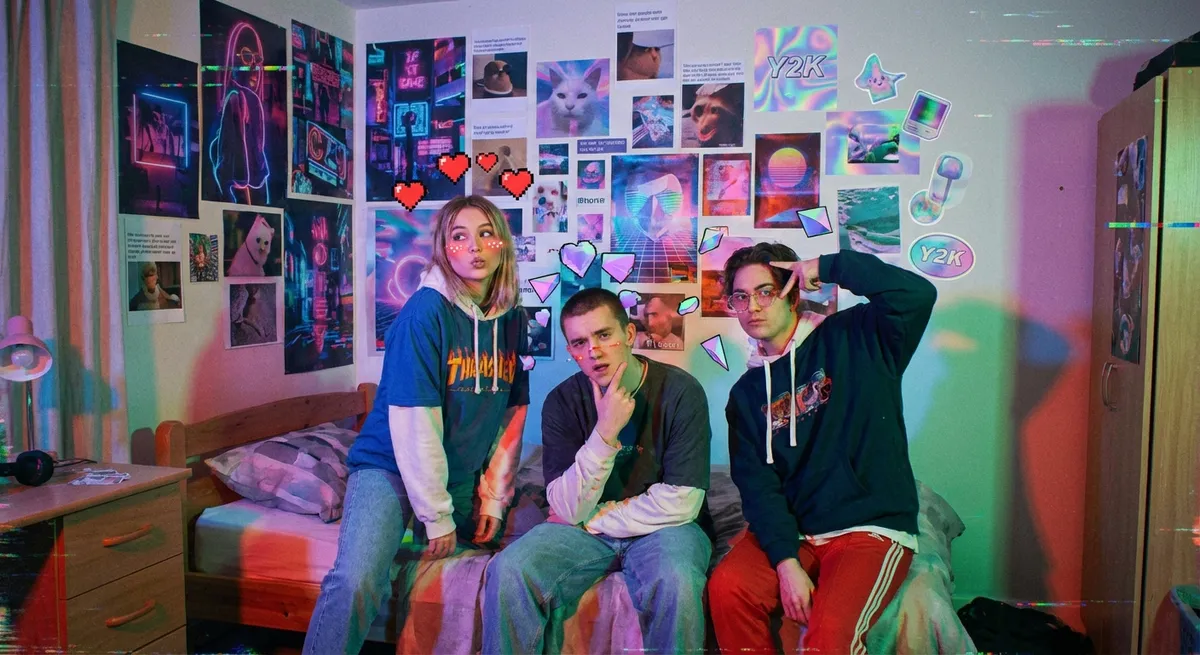
If you’ve felt like your childhood is being ripped from the vault and turned into a punchline—yes, that’s on purpose. Meme creators are deep-mining 90s and 2000s culture: pixelated game graphics, Disney Channel frames, grainy mall photos, low-res TV captures, and old-school interfaces. But the twist is in the remix. Instead of simple “remember this?” posts, people are dropping current feelings into retro templates—like using a Windows XP error box to describe emotional damage or putting Gen Z slang into an early MySpace layout.
The nostalgia hits harder because it’s paired with very modern stressors: rent, situationships, burnout, and the “late-stage capitalism” mood. This blend of childhood comfort with adult chaos is insanely shareable—especially for millennials and Gen Z who grew up during the flip-phone-to-iPhone pipeline. It’s not just memory lane; it’s memory lane with a meme overlay. Brands are jumping in too, reviving old logos or characters as meme formats, which supercharges their reach when done right—and gets instantly ratioed when it feels forced.
Screenshot Culture: Low-Effort Visuals, High-Impact Jokes
The hottest meme format right now might also be the laziest-looking: screenshots. Tweet crops, Notes app blocks, text message threads, calendar reminders, chat interfaces—these simple visuals have become meme power tools. Users trust screenshots more than heavily edited posts; they feel raw, immediate, and “stolen straight from the group chat,” even when they’re manufactured.
Part of their power is how remixable they are. One viral tweet format can spawn thousands of variations across languages and platforms in a day. A text exchange between “me” and “also me” can describe literally any internal conflict. Even fake system notifications and “are you still watching?” pop-ups are being turned into emotional memes. Screenshot memes work perfectly in vertical feeds, are easy to repost across platforms, and look native almost everywhere. That frictionless cross-posting is why they explode—one format can quietly dominate your entire digital life in under 24 hours.
Sound-Driven Memes: Audio Clips Owning Your Brain
If you can’t scroll three seconds on TikTok without hearing the same sound, you’re living in the era of audio memes. A single audio clip—one dramatic sigh, a chaotic voice line, a random interview snippet—can become the backbone for millions of memes across video platforms. People overlay the same sound on wildly different scenarios, and suddenly it becomes shorthand for an emotion or situation: delusion, petty revenge, main character energy, or “I’m done with this.”
These sounds often come from unexpected places: podcasts, reality TV, obscure YouTube clips, or even older songs getting resurrected with a new twist. Once a sound hits meme status, users rush to put their spin on it, racing the trend before it feels “over.” The algorithm boosts what hooks people in under a second, and audio is perfect for that instant recognition. When an audio meme is at its peak, just hearing the first beat or word makes people already know the joke—and that familiarity keeps them rewatching and sharing, even before the punchline lands.
Personality Memes: Using Jokes As Digital Identity Badges
Memes are now functioning like mini personality tests—but with way more attitude. Instead of long quizzes, users are claiming identity with formats like “this is your sign you’re ____,” “choose your fighter,” or “if this speaks to you, we’re the same.” People post these to announce their aesthetic, their mental state, their relationship habits, or their humor style without saying it outright. It’s social signaling disguised as comedy.
These personality memes thrive because they invite participation. You don’t just like them; you tag friends, repost them to stories, or stitch them with your version. They turn passive scrolling into “this is my category, what’s yours?” moments. Even alignment chart memes (like chaotic vs. lawful, introvert vs. extrovert energy) are getting refreshed with niche topics: texting styles, work personalities, friend group roles. The more specific and oddly accurate, the more people feel compelled to share. In a feed that moves at lightning speed, memes have become quick, low-pressure ways to brand yourself—no Canva moodboard required.
Conclusion
Memes have leveled up from quick jokes to full-on cultural language. They’re how we vent, flirt, cope, drag, and low-key introduce ourselves to the internet without ever writing a bio. From nostalgic remixes and screenshot chaos to brain-sticking audio and “this is literally me” identity memes, every new format is another way to say: “Here’s who I am—do you relate?”
If you’re creating or curating content, watch the points where humor, honesty, and identity intersect—that’s where shareable memes are born. And if your entire camera roll is just screenshots of memes that “hurt a little too much”? Congratulations, you’re doing the internet exactly right.
Sources
- [Pew Research Center – Teens, Social Media and Technology](https://www.pewresearch.org/internet/2023/11/15/teens-social-media-and-technology-2023/) - Data on how young users interact with online content and platforms
- [MIT Technology Review – How Memes Became a Serious Business](https://www.technologyreview.com/2020/01/17/130835/memes-are-serious-business/) - Explores the cultural and economic impact of memes online
- [The Atlantic – Why Everything Is a Meme Now](https://www.theatlantic.com/technology/archive/2018/11/memetics/575409/) - Discusses how memes evolved into a core part of digital communication
- [BBC Future – The Science Behind Why Memes Go Viral](https://www.bbc.com/future/article/20170221-the-secret-science-of-memes) - Breaks down psychological and social reasons memes spread
- [Harvard Business Review – When Memes Are Marketing](https://hbr.org/2022/10/when-memes-are-marketing) - Analyzes how brands tap into meme culture and why it works (or backfires)
Key Takeaway
The most important thing to remember from this article is that this information can change how you think about Memes.