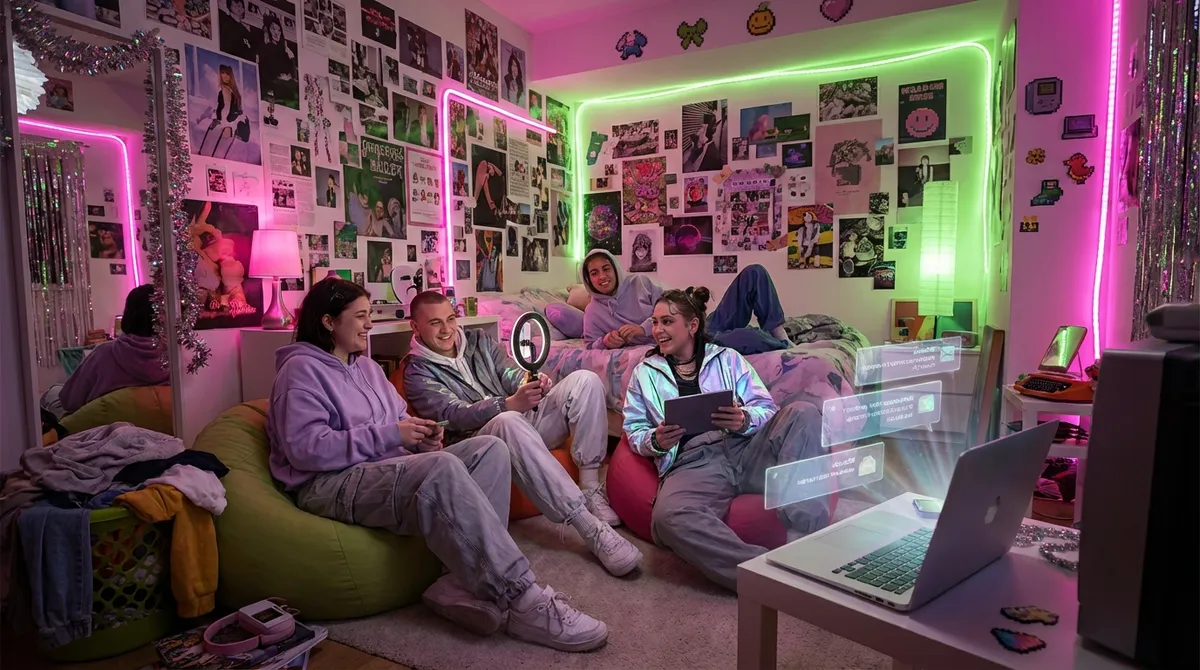
Memes aren’t just jokes anymore—they’re a whole vibe. Your feed is basically a living moodboard of tiny inside jokes, unhinged screenshots, and oddly specific feelings that somehow nail your entire personality. Today’s meme culture is less “lol random” and more “this is my whole identity in a single image.” Let’s break down the trending meme vibes that are quietly shaping how we talk, dress, and even think online.
The Hyper-Specific Relatable Meme Era
We’ve left “when you…” memes in the past and entered the age of hyper-specific chaos. These are the posts that sound like they were pulled straight from your Notes app: “POV: you said you’re going to sleep but you’ve been scrolling the same three apps for 2 hours.” It’s not just “relatable”—it feels illegally accurate.
Hyper-specific memes hit because they blur the line between private thought and public content. They’re built on tiny details: the way you rewatch the same comfort show, your oddly niche 3 a.m. anxiety, the micro-habits you thought only you had. That level of detail makes them insanely shareable; people don’t just like them, they tag friends with “this is SO you.” The more niche they get, the more universal they feel—because everyone sees a piece of themselves in them.
Screenshot Culture: Texts, Tweets, and Unhinged DMs as Art
Some of the funniest memes on your feed aren’t even “memes” in the classic sense—they’re screenshots. Messy group chats, half-serious tweets, chaotic DMs, Notes app rants, and unhinged comment sections are getting screen-capped, cropped, and turned into content that travels way beyond the original post.
Screenshots work because they look raw and real. They feel like receipts from someone’s actual life, even when they’re staged or edited. That “this could be my group chat” energy makes you stop scrolling. The format is minimal—plain text on a white or dark background—but the emotional range is huge: delulu confession, petty clapback, soft overshare, or pure chaos. Plus, screenshots are platform-proof; they jump from Twitter/X to Instagram to TikTok to Reddit in seconds, making them perfect viral fuel.
Sound-First Memes: When Audio Becomes the Joke
Thanks to TikTok, some of the biggest memes right now aren’t images at all—they’re sounds. One audio clip can spawn thousands of videos: re-enactments, parodies, skits, edits, and POVs. A dramatic line from a TV show, a chaotic podcast moment, or a random person’s rant can suddenly become the sound of the week.
Audio memes are powerful because they give everyone the same template but leave room for personal spin. You can use the same 3-second sound to joke about relationships, work, school, or your pet’s drama, and it still hits. They also spread insanely fast: once a sound trends, your FYP becomes 90% variations of it. Before you even know the original source, you can quote it word-for-word. At that point, it’s bigger than a clip—it’s part of internet language.
Core Aesthetics and “This Is My Personality Now” Memes
“Clean girl,” “cottagecore,” “goblin mode,” “rat girl summer”—if it’s a “core,” it’s a meme and an identity. Aesthetics that started as jokes or niche Tumblr vibes are now full-on lifestyle branding. People aren’t just reposting memes about them; they’re dressing like them, buying products for them, and using them as personality bios.
These memes work because they give you a short, funny label for complicated feelings. You don’t have to fully explain your entire life; you just say “I’m in my villain era” or “it’s delulu season” and everyone knows what you mean. Brand accounts, influencers, and regular users all play along, remixing the same aesthetic language into moodboards, edits, and skits. The line between meme culture and real-world behavior is getting thin—and honestly, that’s why it’s so addicting.
Nostalgia Remix: Vintage Internet With 2024 Energy
Nostalgia has always been a content cheat code, but meme nostalgia hits different. We’re seeing low-res screenshots from early 2010s Tumblr, recycled Rage Comics, Windows XP pop-ups, old phone UIs, and even MySpace-era graphics coming back—but flipped with modern humor. It’s not just “remember this?” It’s “remember this, but make it unhinged and self-aware.”
Nostalgia memes aren’t really about the past—they’re about how far we’ve come (or haven’t). Putting old visuals next to today’s problems creates instant contrast and comedy: outdated tech + current chaos = meme magic. It also gives older internet users a weird comfort while letting younger ones experience “vintage” content with a twist. That cross-generational appeal is social-media gold and a big reason these posts rack up saves, shares, and quote tweets like crazy.
Conclusion
Memes have moved way past simple reaction images—they’re full-on social currency. Hyper-specific jokes, raw screenshots, viral sounds, aesthetic “cores,” and nostalgia remixes are shaping how we express ourselves online in real time. The memes you share are basically tiny trailers for your personality, your mood, and your sense of humor. If you’re paying attention to which formats are popping, you’re not just “in on the joke”—you’re watching internet culture evolve, one chaotic post at a time.
Sources
- Pew Research Center – Meme Culture and Online Expression - Overview of how memes influence online communication and culture
- Brookings Institution – How Memes Shape Public Opinion - Explores the power of memes in digital spaces and beyond
- BBC – How TikTok Sounds Go Viral - Explains how audio clips and sounds spread and become trends
- MIT Technology Review – The Science of Virality - Breaks down why certain content formats catch on faster than others
- The Atlantic – Nostalgia and Internet Culture - Looks at why nostalgic content is so popular across social platforms
Key Takeaway
The most important thing to remember from this article is that this information can change how you think about Memes.