Memes aren’t just random pictures with text anymore—they’re the internet’s universal language, our daily emotional weather report, and the fastest way to say “same” without typing a single full sentence. From reaction faces to hyper-specific niche jokes, memes now move culture faster than most brands can even open Canva. Let’s decode the meme mood swings everyone’s riding right now—and why they hit so hard on every timeline.
1. Reaction Memes Are the New Eye Contact
When was the last time you replied with actual words instead of a meme of Pedro Pascal crying-laughing or Kermit sipping tea? Exactly.
Reaction memes have become digital body language. Instead of explaining how we feel, we just drop a perfect image or GIF and let the vibe speak. They work because they’re fast, visual, and instantly relatable across languages and cultures. A side-eye meme in English, Spanish, or Korean hits the same.
And as platforms like X (Twitter), TikTok, and Instagram push short, visual content, reactions are evolving too—think split-screen TikToks, stitched responses, and “use this sound if...” templates. Users aren’t just consuming these; they’re remixing them, dueting them, and flipping POVs to make each reaction extra specific: “me when the group chat says ‘we need to talk’” versus “me when the group chat actually makes plans and shows up.”
Every timeline has a rotating cast of reaction stars, and staying on top of them is basically social survival. Use an outdated meme and you look lost; use the perfect one and you’ve just won the group chat.
2. Hyper-Specific Relatable Memes: “This Is Weirdly About Me”
The real glow-up in meme culture? How aggressively specific they’ve become.
We’ve moved from “when you’re tired” to “when you open your phone to check the time but end up scrolling for 27 minutes and still don’t know what time it is.” The joke is so tailored it feels like your phone is snitching on your life. These hyper-targeted memes hit because they expose oddly niche habits we thought were just our thing.
You’ll see:
- Memes about micro-anxieties (re-reading your email 8 times before hitting send)
- Hyper-local memes (only people from your city or school get it)
- Ultra-niche “if you know, you know” fandom or hobby jokes
This style works insanely well for sharing because people love tagging friends with, “This is you,” or posting to their story with “attacked.” The more uncomfortably accurate, the more shareable. It’s personal without being too personal—memes say the quiet part out loud so we don’t have to.
3. Audio Memes: Sounds You Can See
Memes aren’t just visual anymore—your FYP is proof. Audio memes are running the show.
Think of that one TikTok sound you’ve heard on 50 different videos in completely different contexts. A random quote, a movie line, a song snippet, a podcast moment—if it’s catchy and adaptable, it becomes a meme. People don’t just reuse the sound; they build new formats around it:
- “Use this sound to show your glow-up”
- “This audio but it’s your pet”
- “POV: this sound is your inner monologue at 3 a.m.”
The wild thing? You can probably “see” certain sounds in your head now. You hear three seconds of audio and instantly picture the matching meme format. Brands, creators, and regular users all jump on these sounds because they come with built-in context and viral potential. Miss a trending audio and you’ve basically missed a whole joke cycle.
Audio memes prove that in 2024, memes are more like templates than one-off jokes. The sound is the setup; your life is the punchline.
4. Meme Remix Culture: One Format, Unlimited Chaos
The internet has unlocked “collab mode” on humor. The best memes now live multiple lives.
A meme may start as a single image or tweet, but it doesn’t stay that way. People screenshot it, redraw it, translate it, animate it, turn it into TikToks, flip the joke, and mash it up with other memes. We’re not just laughing at memes—we’re modding them like video game skins.
You’ll see:
- The same format with new text every day for weeks
- The reverse POV: “The teacher’s POV instead of the student’s”
- “Explaining this meme like you’re 80” threads
- Meme-in-a-meme: referencing three formats in one post
This remix culture keeps memes alive way longer than their original shelf life. It also blurs the line between “creator” and “audience”—everyone’s a co-writer now. The comments are full of better punchlines, quote-tweets outfunny the original, and duets steal the show.
The real viral energy doesn’t come from one version—it comes when thousands of people twist the same format into something new, hyper-local, and deeply chaotic.
5. Meme Timelines: From Chaos Post to Brand Campaign
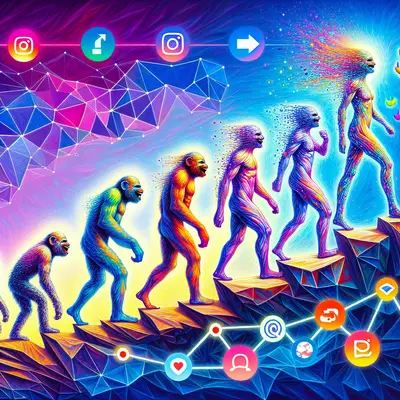
Memes used to live in the deep web of forums and group chats; now they jump from one app to billboards in weeks.
The life cycle looks something like this:
- Birth – A random post, clip, or screenshot explodes on X, Reddit, TikTok, or niche Discords.
- Mutation – People crop it, caption it, duet it, and give it 100 new contexts.
- Peak – It’s everywhere: group chats, stories, repost accounts, Instagram carousels.
- Mainstream – Brands, celebrities, and even news outlets start using it (with varying levels of cringe).
- Overload – People declare the meme “dead” while it slowly transitions to Facebook, WhatsApp, and boomer group chats.
- Legacy – The best ones become reference memes that come back months or years later as nostalgia jokes.
What makes this fun (or exhausting, depending on your scroll stamina) is how fast it all happens. A single TikTok or tweet can jump platforms and become a full-blown trend in days. And because meme trends are now covered by actual news outlets and studied by researchers, we’re basically watching internet history get documented in real time.
Memes might look chaotic, but they’re quietly tracking what we care about, what stresses us out, and what we’re collectively laughing through.
Conclusion
Memes aren’t background noise—they’re the internet’s group chat, timeline therapy, and live commentary rolled into one. Reaction memes speak for us, hyper-specific jokes expose us, audio memes soundtrack us, remixes unite us, and the meme life cycle shows how fast we all move on to the next inside joke.
If you want to stay fluent in internet culture, you don’t just scroll memes—you decode them, remix them, and recognize when a new format is about to take over your feed. Because somewhere right now, someone just posted a random clip that’s about to become the next “everyone’s using this” meme 48 hours from now.
Stay scrolling, stay tagging, and don’t be afraid to hit save—you’re archiving the internet’s funniest diary entries in real time.
Sources
- Pew Research Center – Meme Culture and Online Expression - Explores how people use memes and online content to express identity and emotions
- BBC – How Memes Became the Language of the Internet - Breakdown of meme evolution and their role in digital communication
- The New York Times – When Did We Start Talking in Memes? - Looks at how memes replaced text as a primary way to react and communicate online
- MIT Technology Review – How TikTok Audio Goes Viral - Explains how sounds and audio clips become meme formats across TikTok
- Know Your Meme - Archive and documentation of meme origins, formats, and spread across platforms
Key Takeaway
The most important thing to remember from this article is that this information can change how you think about Memes.