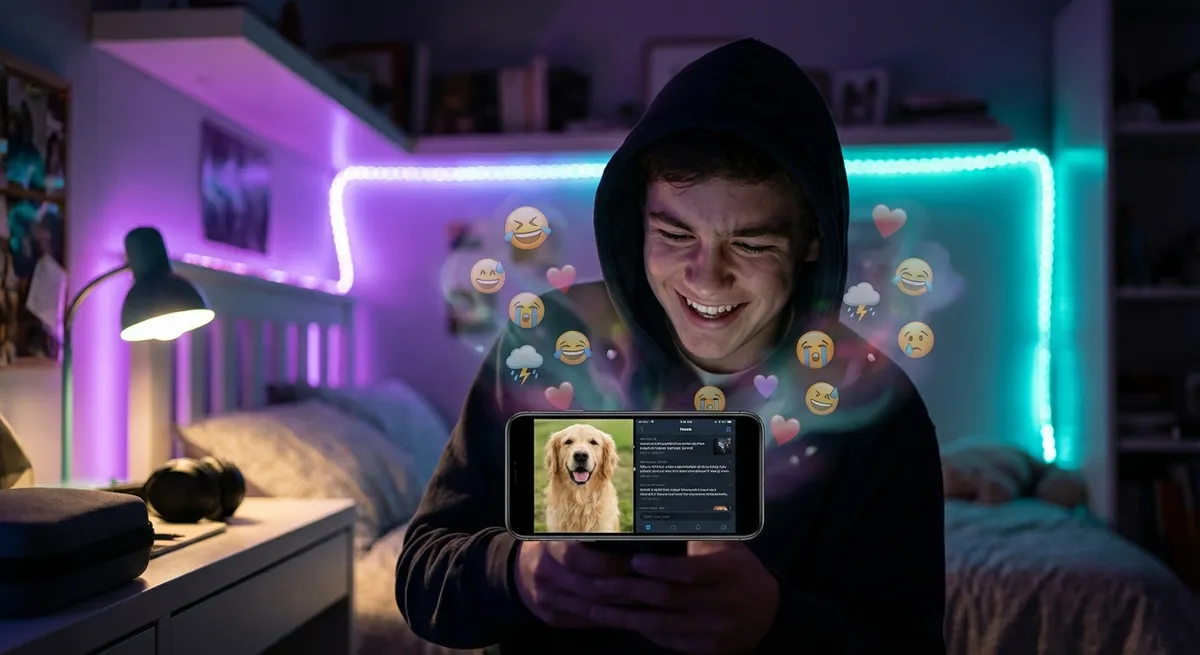
Memes aren’t just “funny pictures” anymore—they’re basically the internet’s emotional language. They’re how we cope, clap back, flirt, protest, and bond with total strangers at 2 a.m. If you’ve ever sent a meme instead of explaining how you feel, congrats: you’re fluent.
Let’s break down how memes are powering our moods right now—with 5 super-shareable trends your friends will definitely tag each other in.
1. Emotional Translation: When One Meme Says More Than a Paragraph
Ever stare at your screen, too tired to type out a full rant, and just drop a perfectly chaotic meme instead? That’s emotional translation in action.
Memes turn messy feelings—burnout, anxiety, awkwardness, FOMO—into something short, funny, and weirdly accurate. You don’t have to say “I am massively stressed but pretending I’m fine”; you just send a meme of a dog sitting in a burning room saying “This is fine.” Instantly, people get it.
This is why reaction memes feel so powerful. They shortcut small talk and jump straight into “you get me.” The visual + text combo hits faster than a wall of words, and it gives people a low-pressure way to open up. Sharing a meme becomes a soft way of saying, “I’m struggling,” without making it heavy.
Memes aren’t replacing conversations—they’re unlocking them. One meme in a group chat can flip the vibe from awkward silence to everyone oversharing in 0.3 seconds.
2. Meme Therapy: Laughing at Chaos to Stay Sane
There’s a reason “dark humor” memes explode during stressful global events: people are low-key using them as coping tools.
When everything feels out of control—money stress, world news, personal drama—memes let us zoom out and laugh at the absurdity for a second. It doesn’t magically fix anything, but it does give your brain a micro-break from doomscrolling.
People share “too real” memes about burnout, social exhaustion, or mental health not just to be edgy, but to feel less alone. The laugh is important, but the real power is in the comments:
“Wait, why is this me?”
“I felt this in my soul.”
“Who made this about my life?”
That’s relief in real time. It’s not professional therapy, but it is emotional first aid—validation, community, and the reminder that you’re not the only one barely functioning on iced coffee and vibes.
3. Inside-Joke Internet: How Memes Turn Strangers into “Your People”
One of the most magical things about memes: they create instant micro-communities.
You see a super-niche meme about your hobby, your culture, your job, or your hyper-specific childhood experience—and suddenly you’re deep in the comments like, “Wait, we all lived the same life?” What started as a random meme post becomes a full comment thread of people swapping stories, tips, or pure chaos.
This is how fandoms, stan communities, and niche interest groups glue themselves together. Shared memes become the shorthand for being “in.” You don’t need a long intro or small talk—if you get the meme, you’re part of the club.
That’s why meme formats spread so fast. One template can be remixed for gamers, students, parents, corporate workers, and hyper-online weirdos. Same image, totally different inner circle. Memes aren’t just content—they’re social passports.
4. Soft Call-Out Culture: When Memes Drag You… Gently
Memes have become the internet’s favorite way to call people out—without naming names.
Instead of starting a full-blown argument, people post a meme that just happens to describe a certain behavior: the flaky friend, the love bomber, the toxic ex, the coworker who “forgets” deadlines. If the shoe fits, it fits. If it doesn’t, “it’s just a joke.”
This “soft drag” style is oddly effective. It lets people point out red flags, bad habits, or social issues in a way that feels digestible instead of preachy. You laugh first, then realize, “Wait… I might be the problem.” Or you send it to someone with a “this you?” and let the meme do the heavy lifting.
But it’s not just shady; it can be healthy. Memes about boundaries, self-respect, and healing actually help people recognize patterns and feel braver about changing them. It’s accountability in a format your brain doesn’t instantly reject.
5. Meme Energy Check: What You Post Reveals Your Mood
Scroll your own meme history and you’ll see it: your emotional timeline.
- Constant chaos memes? You’re probably overwhelmed but powering through with humor.
- Nostalgic, throwback-style memes? You might be craving comfort or simpler times.
- Hyper-specific “only 10 people will get this” memes? You’re seeking your tribe.
- Wholesome, feel-good memes? You’re either healing—or trying to.
We don’t just consume meme moods; we curate them. When life feels heavy, people hunt for light, cozy, or silly memes to balance it out. When we’re annoyed, we lean into petty, sarcastic memes to process the irritation. Our feeds slowly become mood boards built out of jokes.
Brands and creators know this and ride the wave—dropping relatable memes that match the public’s current emotional weather. When they nail the vibe, engagement explodes. People don’t just want to see content; they want to feel seen by it.
Conclusion
Memes started as throwaway jokes, but now they’re emotional armor, social glue, and tiny therapy sessions wrapped in pixels. Every time you send, save, or share one, you’re doing more than laughing—you’re translating feelings, building connections, and shaping the vibe of the internet in real time.
So the next time a meme hits you “a little too hard,” pay attention. Your For You Page might know your emotional state better than you do.
Hit share, tag the friend who is that meme, and keep the mood swing going.
Sources
- MIT – The Power of Memes in Digital Culture - Discusses how memes operate as cultural units in digital communication
- Pew Research Center – Teens, Social Media & Technology - Data on how young people use social platforms and digital content
- Harvard Business Review – Emotion in Digital Communication - Explores how emotional content (including humor) boosts online engagement
- Psychology Today – Humor as a Coping Mechanism - Explains why humor helps people handle stress and difficult emotions
- BBC – How Memes Became Communication Tools - Looks at memes as a language for expressing feelings, especially among younger users
Key Takeaway
The most important thing to remember from this article is that this information can change how you think about Memes.