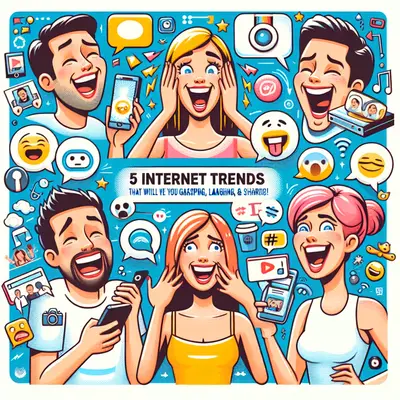
The internet doesn’t just react to your life anymore—it’s rewriting it in real time. Every post, screenshot, and “you had to be there” moment is feeding a new era where we’re all starring in our own ongoing series. From group chats that feel like TV writers’ rooms to strangers live‑commenting your outfit on TikTok, the line between reality, content, and performance is officially gone. Welcome to the Main Character Internet.
In this deep dive, we’re unpacking five of the most shareable, screenshot‑worthy internet shifts powering everyone’s feeds right now—and how they’re changing the way we talk, post, and even think.
1. The “Main Character Era” Mindset Is Rewriting Everyday Life
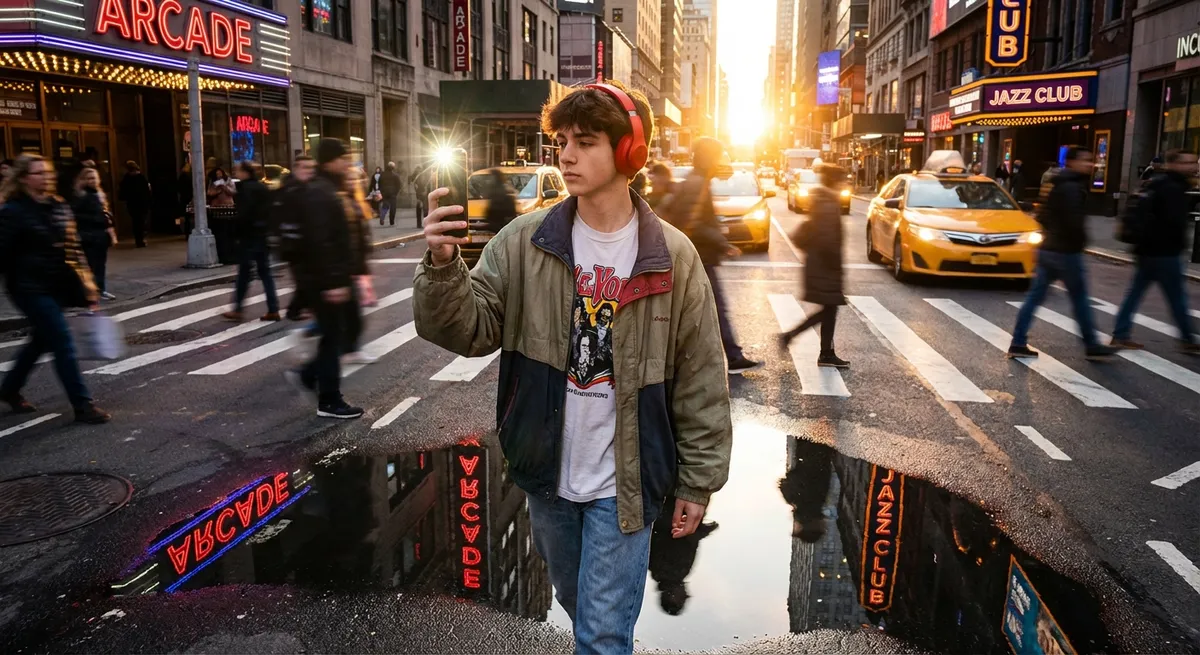
The phrase “I’m in my main character era” went from a joke to a life framework in record time. Instead of just documenting life, people are scripting it: soundtrack playlists on Spotify, cinematic photo dumps on Instagram, and TikToks that turn a random Tuesday into a full character arc.
The vibe: your commute isn’t boring—it’s a “soft girl morning” or “villain origin story.” That lens is powerful. It lets people reframe stress (flare-up at work = plot twist), heartbreak (breakup = season finale), or self-improvement (gym streak = training montage). Social platforms reward it with higher engagement because these posts read like mini movies, not flat updates.
But there’s a flip side. When everything is content, moments can start to feel performative. Are you enjoying the sunset… or just filming it? Mental health researchers are already raising questions about how constant self‑curation affects self-esteem and authenticity, especially among teens. Still, the main character mindset is sticking around—just evolving from “look at me” to “this is my POV, take it or leave it.”
2. POV Posting Turned The Internet Into a Giant Shared Simulation
“POV: you’re the only one awake at 3 a.m.” “POV: your boss schedules a ‘quick sync’ at 4:55 p.m.” POV (point of view) captions and videos have basically turned the internet into a massive, chaotic shared simulation where we slip in and out of each other’s brains.
What makes POV content so viral is how it hacks empathy. The second you see “POV:”, your brain treats it like a scene you’ve entered instead of a random clip someone posted. Creators use it to exaggerate tiny annoyances (like typing “lol” in a corporate email) or hyper‑specific experiences that make you scream “HOW IS THIS SO ACCURATE.”
Brands caught on, too. You’ll see everything from “POV: your package finally arrives” to “POV: eating our new spicy wings.” When done well, it feels like you’re inside the moment instead of watching an ad. When done badly, it feels like your uncle trying to use Gen Z slang at Thanksgiving.
The reason this trend has legs: it taps into micro‑relatability. Not just “working is hard,” but “POV: you pretend your AirPods are dead so you don’t join another call.” The more oddly specific, the faster it gets screenshotted, stitched, and reposted.
3. Group Chats Are The Real Internet (Feeds Are Just The Trailer)
Public feeds are starting to feel like polished movie trailers—but the real show is happening in group chats. Whether it’s Discord servers, close friends stories, locked Insta pages, or old‑school iMessage groups, the internet’s most unfiltered, chaotic, and honest content lives behind tiny notification bubbles.
Online culture now kind of works like this:
- TikTok/IG/X = the public stage
- Group chats = the writers’ room, meme lab, and focus group
- Close friends / finstas = the director’s cut
People see something wild on the feed, screen-record it, and drop it straight into the group chat with “oh we need to talk” energy. Whole slang cycles, inside jokes, and even micro‑trends now start private, then leak out.
That shift is also a trust thing. With misinformation feeds and AI‑generated everything, users increasingly believe what their friends send more than what the algorithm recommends. Your group chat has basically turned into your personal curator, fact‑checker, therapist, and roast session all at once—and that’s shaping what actually goes viral.
4. Hyper‑Niche Internet “Micro Worlds” Are Becoming New Social Identities
Once upon a time your online identity was simple: “I’m on Twitter, Instagram, TikTok.” Now? You’re that person deep in cottagecore TikTok, Formula 1 fandom Reddit, “silent booktok,” productivity YouTube, or “I narrate my day like a podcast” Instagram.
These ultra‑specific “micro worlds” (often called micro‑communities) are rewriting social identity:
- People lead with their niche: “I’m in cozy gamer TikTok” > “I play games.”
- Algorithms learn your weirdest interests and serve a custom reality.
- Internet fame is now niche-first: you can be huge inside a micro world and totally unknown outside it.
Hyper‑niche spaces also create safety and belonging. Queer communities, neurodivergent creators, and marginalized groups have been using smaller corners of the internet to share resources, joke freely, and exist without the pressure of a mainstream audience. Brands and platforms are noticing—some are trying to cash in, others are quietly building tools for community management and safety.
The catch: living in niche bubbles can make it easy to forget there’s a big, messy, diverse internet (and world) outside your algorithmic comfort zone. The most interesting creators are the ones who cross-pollinate worlds—blending, say, cooking + anime + finance into something totally new.
5. Real-Time Internet Mood Swings Are Driving “Collective Episodes”
The internet doesn’t just “have trends” anymore; it has episodes—live, collective mood swings where millions of people obsess over the same thing for 48 hours straight. One day it’s a plane seat scandal, the next it’s everyone baking the same recipe, then suddenly we’re all armchair economists.
These episodes move fast:
- A clip, story, or headline drops.
- Micro-creators react first with stitches, duets, or threads.
- Bigger pages grab it, add commentary, and turn it into “a thing.”
- Group chats assign roles: “you follow the drama,” “you fact-check,” “you find the memes.”
What’s new is how aware people are of the cycle itself. Users will now say “oh this is the discourse of the week” or “we’re in the backlash phase already.” That media literacy means people are quicker to question sources, look for receipts, and call out fakes—especially with AI audio and video in the mix.
At the same time, these episodes give everyone a shared language. A single viral incident can turn into shorthand you’ll still see referenced months later. The internet may feel fragmented, but these intense, short-lived obsessions act like cultural glue, resetting the vibe of the whole timeline overnight.
Conclusion
The internet in 2025 isn’t just a place you visit—it’s the stage, the script, the reaction cam, and the group chat commentary running under your entire day. Main character energy, POV posting, closed community chaos, hyper‑niche worlds, and collective “episodes” are reshaping how we relate to each other and ourselves.
If you want to ride these waves instead of getting dragged by them, think like a showrunner:
What’s your POV? Who’s in your writers’ room (group chat)? Which micro world are you building in? And how are you staying human in the middle of all this performance?
Because at the end of the scroll, the content that really sticks isn’t just viral—it feels real, specific, and undeniably you.
Sources
- Pew Research Center – Teens, Social Media and Technology 2023 – Data on how young people are using and experiencing social platforms
- MIT Technology Review – How TikTok’s algorithm figures you out – Explains the personalization systems driving niche “micro worlds”
- NIH / NCBI – Social Media Use and Its Impact on Mental Health – Research overview on self-presentation, validation, and psychological effects
- BBC Future – Why group chats rule our social lives – Deep dive into the social power of private messaging spaces
- Stanford University – The Psychology of Social Media – Expert commentary on online identity, performance, and behavior
Key Takeaway
The most important thing to remember from this article is that this information can change how you think about Internet Trends.