The internet isn’t one big trend anymore—it’s millions of tiny ones happening all at once. Your feed is basically a massive “Choose Your Own Adventure” story, and every scroll is a new side quest: a hyper-specific niche, a 3-day obsession, a sound you can’t escape, or a micro-aesthetic you’re suddenly tempted to try.
Welcome to the Micro-Trend Era—where the weirdly specific, blink-and-you-miss-it moments are the real stars of social media. Here’s what’s quietly running the culture right now (and why your feed feels more chaotic, personal, and addictive than ever).
1. Hyper-Niche Aesthetics: The Internet’s New Identity Generator
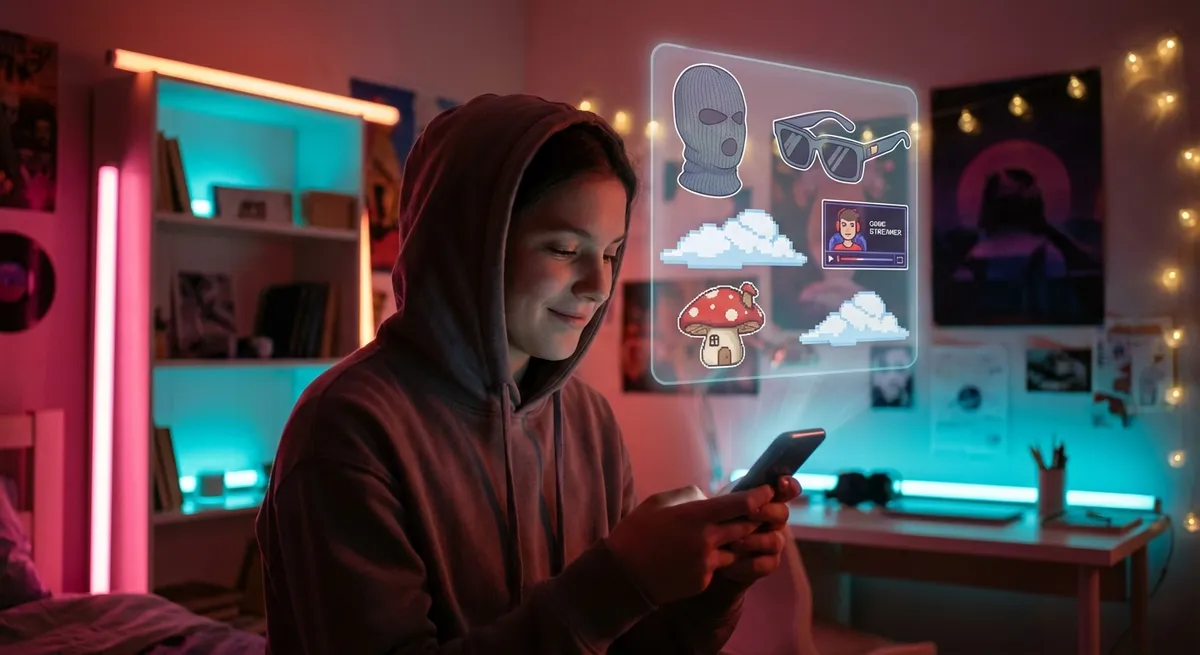
We’re past the days of just “e-girl,” “cottagecore,” or “VSCO girl.” Now it’s hyper-niche aesthetics like “feral library kid,” “reality TV villain chic,” or “post-concert main character” running wild on TikTok, Instagram, and Pinterest.
Instead of building a single online identity, people are collecting vibes like trading cards. One day your fit is “corporate goth,” the next it’s “late-night diner protagonist.” These micro-aesthetics let users test-drive personalities without long-term commitment—no rebrand necessary, just a new sound and a different lighting setup.
Underneath the chaos is something deeper: people using aesthetics as a quick emotional language. You don’t need a thread to explain your mood; you just drop a niche label and a 7-second video and everyone instantly gets it. It’s fast, it’s fun, and it’s insanely shareable—because every new aesthetic is half joke, half mirror.
2. Silent Storytelling: When Your Video Says Everything, You Don’t
You’ve seen them: videos with no talking, just captions and vibes. Clips of someone cleaning their apartment after a breakup, getting ready for a job they hate, or wandering a grocery store at 11 p.m.—set to a trending sound and a block of text on screen.
This “silent storytelling” style is blowing up because it lets people overshare… without technically oversharing. No face-to-camera rant, no messy audio, just visuals plus emotionally loaded captions like “POV: you’re finally leaving the city that broke you.”
It’s the perfect format for:
- People who are camera shy but still want to be seen
- Venting without starting a comment war
- Turning everyday life into a movie scene
It also travels across languages and cultures way more easily than spoken-word content. The result? These posts rack up saves, duets, and stitches because they’re highly relatable and incredibly remixable without needing a single spoken sentence.
3. Comment Section Lore: Where the Real Content Lives
The comments used to be an afterthought. Now they’re the main show. Entire storylines, inside jokes, and fan theories are born in the replies—and sometimes the original post is just the excuse.
Creators are:
- Pinning the funniest or most unhinged comments as part of the “bit”
- Turning top comments into follow-up videos
- Letting audiences “co-write” lore about characters, fake scenarios, or ongoing series
For viewers, diving into the comments feels like joining a secret group chat with thousands of strangers. For creators, it’s free engagement and endless prompts for new content. Screenshots of wild comment sections are now their own shareable format, spreading across X, Instagram, Reddit, and TikTok like digital campfire stories.
When content and comments merge, every post becomes a living thing—evolving in real time based on what the crowd decides is funniest, realest, or most unhinged.
4. Real-Time Fandom: Livestream Culture as the New Watch Party
Livestreams used to feel niche or gamer-only. Now everything is going live: concert crowds, study sessions, celebrity Q&As, cooking chaos, even people doing literally nothing but “keep me company” streams.
This real-time fandom hits different because:
- Viewers feel like co-stars instead of spectators
- There’s FOMO—if you miss it live, you miss inside jokes and moments that never make the highlights
- Chat becomes its own character, spamming emotes, memes, and reactions at light speed
From Twitch and YouTube to TikTok Live and Instagram, real-time internet is feeding the craving for connection that highly edited, hyper-polished content can’t satisfy. You’re not just watching a creator; you’re hanging out with them—and with thousands of other viewers who instantly become your temporary digital squad.
Bonus: the wildest livestream moments get clipped and reposted across platforms, turning ephemeral chaos into shareable, viral artifacts.
5. “Soft Experiments”: Low-Stakes Challenges Everyone Can Try
The internet has evolved from “extreme challenges” to “soft experiments”—low-pressure, personal trends people test for a day, a week, or a month and then share the results.
Think:
- “I let TikTok control my day”
- “I answered every text immediately for 24 hours”
- “I wore one color for a whole week”
- “I talked to no one before 10 a.m. for a month and this happened”
These aren’t just challenges—they’re mini social experiments disguised as content. They’re easy to join, easy to adapt, and super fun to share. The hook is simple: change one small thing, document it, and turn your life into a storyline.
Viewers love it because it feels doable, not extreme. Creators love it because the format is endlessly repeatable with new twists. And the platform algorithms love it because “Day 1 vs Day 7 vs Day 30” structures keep people coming back for the next episode.
In the Micro-Trend Era, your life is the lab, your feed is the logbook, and everyone else is silently taking notes for their own version.
Conclusion
The internet used to be about chasing one big trend at a time. Now it’s about surfing hundreds of tiny waves, jumping from niche aesthetic to silent story to chaotic livestream like you’re speedrunning alternate realities.
Hyper-niche vibes, text-based storytelling, comment-section lore, live chaos, and low-stakes experiments all have one thing in common: they make social media feel personal again. Less “broadcast to the world,” more “hang out in my little corner.”
If you want to ride this era, think small, specific, and interactive. Don’t chase the biggest trend—build a side quest people actually want to join. That’s where the internet is really living right now.
Sources
- Pew Research Center – Social Media and Changing News & Content Habits – Ongoing reports on how people interact with social platforms and digital content
- TikTok Newsroom – Product & Trend Updates – Official announcements and insights into evolving features and creator behavior
- YouTube Official Blog – Culture & Trends – Explores emerging formats like livestreaming and new creator storytelling styles
- Meta Newsroom – Instagram & Facebook Features – Information on tools that shape how people comment, share, and build micro-communities
- New York University – Center for Social Media and Politics – Research on how online interactions, comments, and engagement shape modern digital culture
Key Takeaway
The most important thing to remember from this article is that this information can change how you think about Internet Trends.