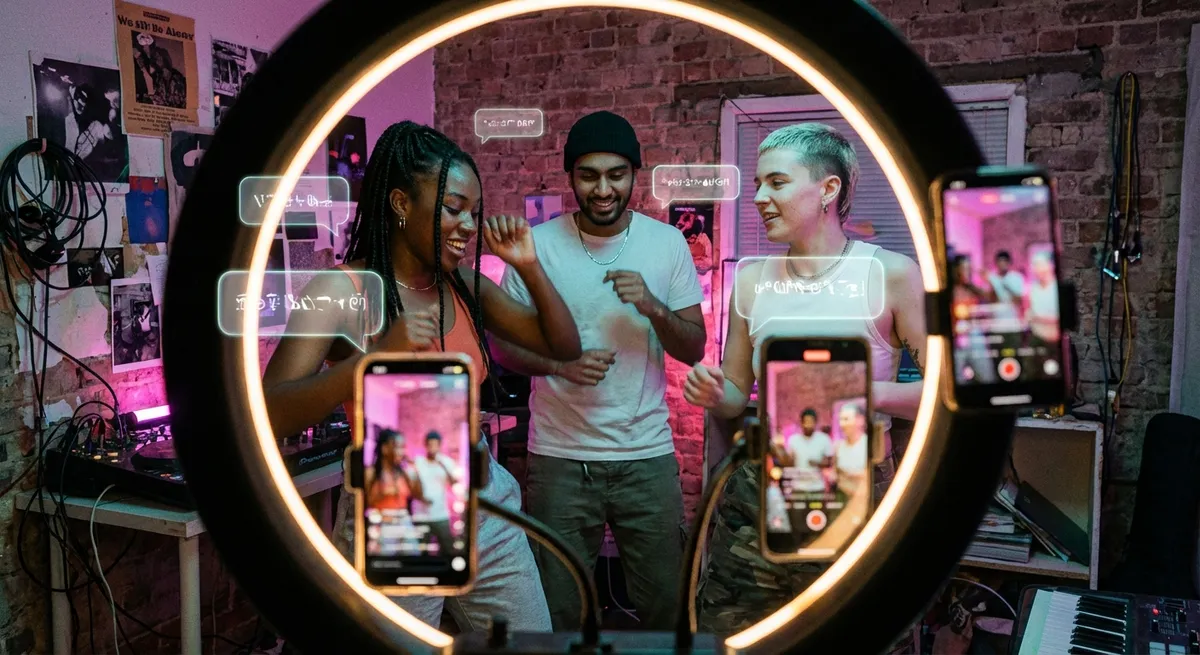
The internet used to have “one-hit wonders.” Now it has “one-clip legends.” One short video, one wild moment, and suddenly someone jumps from total unknown to everywhere-on-your-feed in a single scroll. Viral videos aren’t just entertainment anymore; they’re culture blueprints, career launchpads, and group chats in motion. Let’s crack open what’s actually happening behind the clips you can’t stop replaying—and why they’re taking over every platform at once.
The New Fame Speedrun: From 0 to Global in 24 Hours
Viral videos have turned the slow grind of fame into a full-on speedrun. Instead of years of networking, touring, or TV appearances, creators are landing brand deals, record contracts, and mainstream interviews off a single explosive post. One clip can rack up millions of views across TikTok, Instagram Reels, and YouTube Shorts before the creator even wakes up the next day.
What makes this wild is how algorithm-driven feeds reward velocity, not just popularity. A fast spike in engagement—comments, shares, duets, stitches—tells the platform the video is a must-see, so it blasts it to new audiences way beyond the creator’s usual reach. That’s why you’ll see a random person’s first-ever upload next to a celebrity’s polished campaign video. The playing field is chaotic, but it’s flatter than ever.
For viewers, this creates a constant stream of “who is THIS person?” discovery moments. For creators, it means every post feels like a lottery ticket with real-world stakes: jobs, income, attention, and opportunities. Viral moments don’t just make people famous—they compress entire career arcs into a weekend.
Micro-Moments, Mega Impact: Why 7 Seconds Is Sometimes Enough
Attention spans are shrinking, but the emotional impact of a good video is going up, not down. Viral clips are now built around micro-moments—one look, one punchline, one plot twist—that hit fast and hard. Instead of long setups, creators drop you right into the action, trusting you to catch up and care in seconds.
This is why you’re seeing more jump-cuts, hooks in the first second, and bold on-screen text that tells you exactly why you should keep watching. Platforms openly admit they prioritize watch time and completion rate, so creators optimize every frame. The result: tight, addictive clips that are easy to rewatch and even easier to send to your group chat.
What’s surprising is how much emotion can fit into these tiny windows: full story arcs in 15 seconds, heartbreak in 8, wholesome chaos in 6. A single eye-roll or gasp can become a reaction meme. A background song can be launched into the charts. Snackable videos might be short, but their cultural footprint is massive.
Sound-First Clips: How Audio Is Secretly Running Your Feed
You’re not just scrolling videos—you’re scrolling sounds. So many viral clips start with a noise, line, or song that grabs you before your brain has time to process the visuals. A random quote becomes the voice of an entire trend; a throwaway lyric becomes the backing track for thousands of dance videos, skits, and product hauls.
Music and audio are now discovery engines. A track that goes viral in one video can suddenly be everywhere, driving streams on Spotify and Apple Music and pushing artists into the mainstream. Platforms like TikTok and Instagram even show “Use this sound” buttons, turning every viewer into a potential collaborator in a shared trend.
Creators are leaning into this by designing videos around audio moments—dramatic pauses, scream-laughs, perfectly timed beat drops. Brands, too, are sneaking into the mix with original sounds they hope will catch fire. When a sound hits, it doesn’t just support the video; it becomes the star, and the internet builds a whole universe around it.
Chaos With a Heart: Why Feel-Good Virality Keeps Winning
In a world full of heavy headlines, viral videos that win big often have one thing in common: they make people feel better, not worse. Surprise reunions, tiny acts of kindness, pets being chaotic good citizens, strangers lifting each other up—these are the clips that rack up shares because people want to spread that mood.
There’s a psychological rhythm to this: viewers use short, emotional videos as mini-breaks in their day. A 12-second clip of a dog reacting to its favorite word or a teacher hyping up a nervous student can reset someone’s vibe between emails or during a doomscroll spiral. That “I needed this today” feeling is powerful, and it’s shareable.
At the same time, feel-good virality now comes with side effects. One wholesome clip can bring massive attention to a small business, a local artist, or a community fundraiser—sometimes overwhelming them overnight. Viral kindness can turn into real-world support: sold-out orders, donations, and mainstream attention that would’ve been impossible without that one video.
Remix Culture: Why Your Favorite Viral Moment Never Really Ends
Viral videos don’t just blow up once—they respawn. Every time someone duets, stitches, remixes, or re-creates a viral clip, they extend its life and twist its meaning a little more. A single original moment can spawn dance versions, parody versions, emotional versions, educational breakdowns, and “POV” spin-offs that turn one idea into a whole ecosystem.
This remix culture is why some trends seem impossible to escape. The original post might get buried, but the format, sound, or joke keeps mutating as new people jump in. It turns spectators into collaborators; your reaction isn’t just a comment anymore—it can be content.
This also blurs the line between “creator” and “audience.” The viral moment doesn’t fully belong to the first person who posted it or the last person who flipped it—it belongs to the wave itself. Every new version pulls in a new crowd, each adding their own layer of context, language, or inside jokes. By the time the trend dies down, it’s less a single video and more a shared internet memory.
Conclusion
Viral videos aren’t just quick hits of entertainment—they’re the engine driving how we discover people, music, trends, and even news. They compress time, turn tiny moments into global conversations, and give anyone with a phone a shot at instant visibility. Whether you’re making clips or just endlessly scrolling through them, you’re part of a giant, real-time experiment in how culture spreads.
The next video that changes your week is probably already uploaded somewhere, waiting for the algorithm to notice it—and for you to tap “share.”
Sources
- TikTok: How It Rewrote the World - The New York Times breakdown of how TikTok changed video, music, and virality
- Reels, Short-Form Video and the Future of Video - Meta’s official insights on why short-form video is central to social platforms
- The Science Behind Why We Share Online - NYTimes coverage of psychology and research on viral content
- TikTok’s Role in Music Discovery - Billboard analysis of how viral sounds fuel music careers
- Social Media Use in 2024 - Pew Research Center data on how people are using major social platforms
Key Takeaway
The most important thing to remember from this article is that this information can change how you think about Viral Videos.