The internet has zero patience and a billion distractions—so why are some videos still pulling millions of views overnight while others flop in silence? Welcome to the new era of viral video magic, where attention is currency and creators are learning to grab it in three seconds or less. Whether you’re a casual scroller, a side-hustle creator, or plotting your full-time content takeover, understanding how viral videos actually work is your cheat code to the algorithm. Let’s break down the trends the internet can’t stop boosting, sharing, stitching, and saving right now.
1. The Three-Second Hook Is Your Entire First Impression
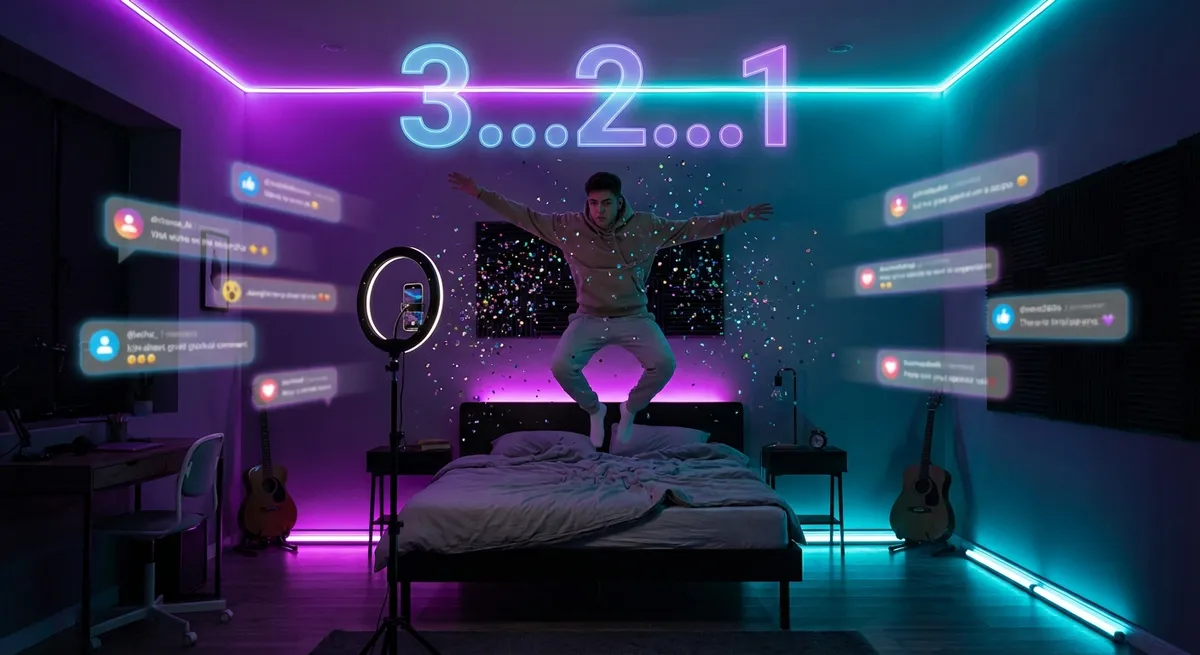
Those first three seconds? That’s your trailer, your thumbnail, your billboard, your everything. Viral videos aren’t starting slow anymore—they’re dropping you right into the chaos, the punchline, or the “wait, WHAT is going on?” moment.
Creators are front-loading:
- The most dramatic visual (a big reaction, transformation, or surprise)
- The question that demands an answer (“I tried the internet’s weirdest sleep hack so you don’t have to…”)
- The end result before the explanation (show the cake before the recipe, the glow-up before the tutorial)
Platforms like TikTok, Instagram Reels, and YouTube Shorts all reward watch time and replays, and a strong opening is what keeps people from swiping away. Think of your hook as a mini-cliffhanger: visually loud, emotionally charged, and impossible to ignore.
2. Relatable Chaos Is Beating Perfect Aesthetic
That flawless, ultra-edited, magazine-level video? It still has a place—but viral culture is heavily favoring “relatable chaos” instead. People are sharing the clips that feel like real life, just 10% more chaotic and 50% more dramatic.
Trending vibes right now:
- “I can’t be the only one who does this…” style confessions
- POVs that feel like your inner monologue with no filter
- Messy kitchens, glitchy screens, pets interrupting, awkward moments left in
- Screenshots of texts, screen recordings, and lo-fi camera angles
This doesn’t mean quality doesn’t matter—it does. But over-smoothing your personality out of your content? That’s a fast track to “next video.” Viral videos are leaning into authenticity with just enough structure to keep you watching. It’s polished imperfection: real, but intentional.
3. “Story in 30 Seconds” Is the New Binge Content
The videos that get saved, rewatched, and shared in DMs are built around story more than aesthetics. Instead of random clips, viral creators are cutting fast, but telling clear micro-stories:
- Setup: What’s happening and why should I care?
- Tension: What could go wrong / what might go right?
- Payoff: The twist, reveal, or satisfying result
- Makeovers that start with “I’ve never done this before…”
- Challenges with clear stakes (“If this works, I’m deleting my alarm clock forever”)
- Tiny documentaries squeezed into 45 seconds (a day in the life, a mini origin story, a quick behind-the-scenes)
You’re seeing this storytelling blueprint everywhere:
Even educational videos are going story-first: “I tried this science-backed focus hack for 7 days—here’s what actually happened.” The more your video feels like a journey with a clear payoff, the more people will ride it to the end—and then send it to a friend.
4. Remix Culture Is the Ultimate Growth Hack
Viral videos aren’t just watched anymore—they’re reused, remixed, and reimagined. If your content is easy to interact with, it has a much higher chance of exploding beyond your own followers.
Right now, the algorithm is obsessed with:
- Stitchable/duet-friendly moments: “Tell me you’re X without telling me you’re X”
- Green-screen commentary on news, drama, or pop culture moments
- Open-ended questions and prompts that invite people to respond with their own videos
- Template content (like “day in my life” or “things I wish I knew sooner”) that others can copy
Each remix, stitch, or re-use becomes free distribution. That’s why trending audio, meme formats, and recurring challenges keep coming back in new forms—the format itself is viral-ready. If you can make something people want to put their own spin on, you just turned your video into a trend seed.
5. Emotion Is the Algorithm’s Secret Language
Beneath all the hashtags, edits, and sounds, viral videos have one core thing in common: they make people feel something fast and hard. The algorithm responds to how people interact—comments, rewatches, shares, saves—and emotion is what drives those actions.
Some emotional triggers that are dominating right now:
- “That’s so me” relatability (shared struggles, tiny daily annoyances, universal experiences)
- Comfort content (calming routines, satisfying visuals, cozy vibes)
- Shock and awe (wild talents, unexpected skills, unbelievable transformations)
- Soft vulnerability (honest talks about burnout, anxiety, motivation, or self-doubt)
- Hype and inspiration (glow-ups, wins, “I stuck with this for a year and here’s what changed”)
You don’t need to be dramatic to go viral—but you do need to be specific. The more your video taps into a clear, recognizable feeling, the more people will feel compelled to respond, react, and share it privately and publicly.
Conclusion
Viral videos might look random from the outside, but behind almost every explosive clip is the same combo: a killer hook, a quick story, raw relatability, remixable format, and a strong emotional punch. Whether you’re trying to build a brand, entertain your friends, or just understand why your feed looks the way it does, these trends explain why some clips haunt your brain for days while others vanish in a swipe.
The internet attention span may be shrinking, but the playbook for viral magic is getting sharper every day—and now, you’ve got the insider notes. Watch your feed with these rules in mind, and you’ll start seeing the patterns everywhere.
Sources
- [How TikTok’s Algorithm Figures Out Your Deepest Desires](https://www.wsj.com/articles/tiktok-algorithm-video-investigation-11626877477) - Wall Street Journal investigation into how short-form video algorithms prioritize engagement and watch time
- [YouTube’s Recommendation System Explained](https://blog.youtube/inside-youtube/on-youtubes-recommendation-system/) - Official YouTube blog breaking down how its recommendation engine surfaces videos
- [Instagram Reels Best Practices](https://business.instagram.com/blog/instagram-reels-best-practices) - Instagram’s own guidance on what helps Reels perform and get recommended
- [The Psychology of Social Sharing](https://www.nytimes.com/2013/03/24/opinion/sunday/whats-the-psychology-behind-sharing-on-the-internet.html) - The New York Times on why people share content online and the role of emotion
- [Viral Storytelling and Attention Spans](https://www.niemanlab.org/2019/11/the-rise-of-the-insta-doc-how-short-form-video-is-changing-online-storytelling/) - Nieman Lab analysis of how short-form video is reshaping storytelling techniques
Key Takeaway
The most important thing to remember from this article is that this information can change how you think about Viral Videos.