The internet is collectively time‑traveling, and it’s happening on your For You page. A viral Reddit post just dropped photos of real people born in the 1700s, and social media absolutely lost it. That’s right — not AI filters, not “what I would look like in the 1800s” TikToks, but actual photographs of people who lived through powdered wigs, revolutions, and zero Wi‑Fi.
The post exploded to over 100K+ upvotes, and now your feed is packed with side‑by‑sides, reaction memes, and “wait, history was low‑key hot?” takes. Let’s break down why this super‑niche corner of Reddit suddenly became the internet’s favorite new obsession.
The Viral Reddit Drop That Broke Everyone’s Brain
This whole trend kicked off when a Reddit user compiled and shared photos of people born in the 1700s who lived long enough to be photographed in the 1800s. The thread — posted on r/interestingasfuck and quickly cross‑posted everywhere — racked up tens of thousands of comments as people realized: “Hold up… my great‑great‑great‑whatever could’ve literally met these people.”
The images aren’t paintings or AI reconstructions — they’re legit early photography of people who were already adults when most of what we read in history textbooks was actually happening. That collision of grainy black‑and‑white photos with the knowledge that these faces once saw Napoleon, the American Revolution, or early industrial cities in real time? Instant viral fuel. Screenshots of the thread are now spinning around X (Twitter), TikTok, and Instagram Reels with captions like “POV: your history class just got personal.”
TikTok Turned It Into a Full‑Blown “Past Life POV” Trend
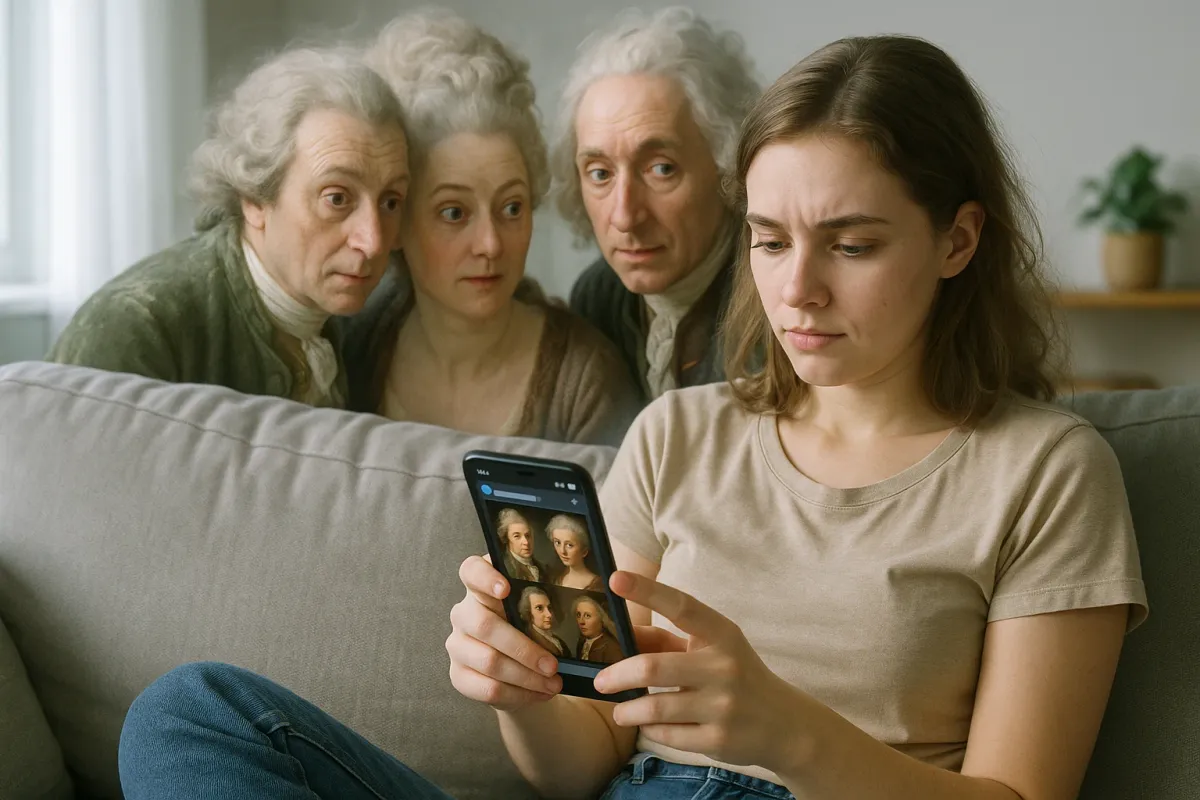
The moment TikTok got hold of the Reddit content, it evolved, of course. Creators started stitching the original photos with “POV: You Just Found Your 1700s Doppelganger” videos, comparing their own selfies to these centuries‑old faces. Some matches are freakishly accurate — same jawline, same stare, same “I haven’t slept in 3 days” vibe — and that uncanny overlap is what’s driving insane engagement.
Another rising micro‑trend: people are using dramatic classical music and text overlays like “He was born in 1785, lived through three wars, and still looks like he’d ghost you.” Others are narrating imagined “day in my life: 1790 edition” voiceovers on top of the photos, blending modern influencer language with historical settings: “GRWM to watch a public hanging in town square.” The combination of dark humor, aesthetic nostalgia, and actual history is exactly the kind of chaotic energy TikTok thrives on.
Meme Culture Is Rewriting History in Real Time
Once Twitter/X got involved, the meme engines went into overdrive. Users started slapping modern captions on 1700s faces: “This guy looks like he’d tell you crypto is ‘about to moon,’” or “She 100% runs a bookstagram account in another timeline.” The photos quickly became templates, just like the classic meme reaction images we’ve all seen a thousand times.
There’s a bigger pattern here: the internet loves taking something serious — like centuries‑old portraits and photographs — and re-framing it through hyper‑relatable, painfully current humor. It’s the same cultural instinct that turned medieval paintings into the “when the group chat gets weird” meme genre. History feels far away in textbooks, but the second you give it a caption like “When you realize the group project is due today,” people connect instantly. That relatability is why these images are being quote‑tweeted and reposted non‑stop.
The “History Wasn’t Black & White” Realization Is Hitting Hard
One of the most shared angles under the Reddit post and across socials is the reminder that these people weren’t “old‑timey characters” — they were just… people. They had inside jokes, weird habits, cringe phases, and petty drama, same as us. Comment sections are full of takes like, “We always think of them as ‘historical figures,’ but they literally had favorite foods and bad hair days.”
Educators and history nerds are jumping in too, stitching the trend with context about early photography and timelines, showing how someone born in the 1700s could easily have lived into the era of trains, telegraphs, and even early electricity. That “whoa, this wasn’t actually that long ago” shock is turning quickly into a wider trend: people sharing old family photos, vintage albums, and even AI colorizations of historical images to make the past feel closer and more human. The algorithm is rewarding it — content that makes history feel “real” is spiking on both TikTok and Instagram right now.
Why This Trend Is So Shareable (And Why It’s Not Dying Tomorrow)
This 1700s‑faces wave hits the algorithmic jackpot: it’s visual, surprising, educational and perfectly meme‑able. You can react to it, remix it, or personalize it, which is exactly how a niche Reddit post mutates into a full‑scale cross‑platform trend. We’re seeing:
- Duets & stitches: reaction faces, jokes, or “we low‑key look alike” comparisons
- Carousel dumps on Instagram: “People from the 1700s who look more done with life than you”
- Threads on X: long chains of historical photos with increasingly unhinged captions
- YouTube & TikTok explainers: creators breaking down the original Reddit post and the history behind each person
And here’s the kicker: this isn’t a 24‑hour meme cycle. Once a trend hooks into identity (“do I look like someone from 250 years ago?”) and curiosity (“what did people from that era really look like?”), it tends to stick. Expect spin‑offs: 1800s glow‑ups, “oldest person ever photographed,” and creators digging deep into archives to find the next viral “face from the past.”
Conclusion
The viral Reddit post of real 1700s‑born people didn’t just give us cool old photos — it cracked open a new lane for internet culture: “hyper‑relatable history.” In a feed dominated by AI filters and ultra‑polished aesthetics, these raw, slightly blurry, deeply human faces hit different. They remind us that the people we read about in history class were just earlier versions of us, navigating their own chaos without the luxury of deleting their search history.
So the next time you see a centuries‑old face on your feed with a caption like “he looks like he’d leave you on read,” remember: that’s the internet doing what it does best — collapsing time, remixing culture, and turning a random Reddit thread into a global moment. And if you catch a 1700s doppelganger that looks suspiciously like you? Screenshot it. The algorithm loves a good reincarnation arc.
Key Takeaway
The most important thing to remember from this article is that this information can change how you think about Internet Trends.