The internet doesn’t just reflect culture anymore—it speed-runs it. One minute you’re laughing at a sound on TikTok, the next you’re hearing it in real-life conversations, brand campaigns, and your group chat. If your feed has felt weirdly different lately, it’s not just you. The way we flex, shop, stream, and even exist online is going through a major vibe shift—and you’re probably part of it without even realizing.
Here’s the breakdown of five internet trends that are quietly rewriting the rules of clout, comfort, and cringe in real time.
1. NPC Streaming: When Going Viral Means Acting Like a Video Game Character
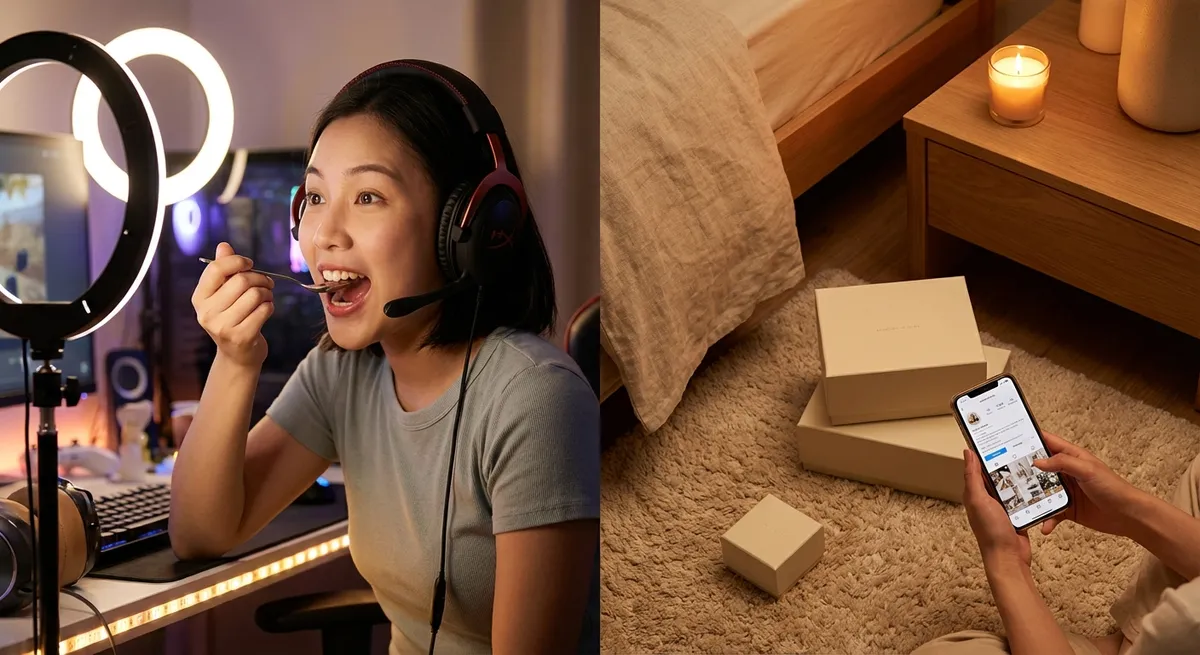
If you’ve scrolled past someone repeating “yes yes ice cream, so yummy” while reacting to digital gifts, congrats: you’ve met NPC streaming. Inspired by “non-playable characters” in video games, this trend turns streamers into glitchy, repetitive characters who react to virtual gifts with set catchphrases and movements.
It looks bizarre, but the numbers are serious. Top NPC-style streamers on platforms like TikTok Live can earn hundreds or thousands of dollars per session from viewers sending gifts just to trigger their reactions. It’s part performance art, part income stream, and part social experiment in just how strange people are willing to get on camera for engagement and cash.
What makes NPC streaming so shareable is its mix of cringe and genius: it’s weird enough to send to friends, but smart enough to start debates about labor, AI, parasocial relationships, and what “work” even looks like online. Whether you love it, hate it, or ironically imitate it with your friends, NPC streaming is the latest proof that the internet will always find a new way to gamify attention.
2. Quiet Luxury vs. Loud Logos: The New Online Flex War
Flashy designer logos used to dominate flex culture. Now your feed is full of muted tones, clean cuts, and captions about “elevated basics.” Quiet luxury—subtle, expensive-looking style without obvious branding—has moved from niche fashion circles into full-blown internet obsession.
This trend exploded after shows like Succession turned minimalist rich-person style into a character of its own. On TikTok and Instagram, creators break down how to get the “old money” or “stealth wealth” look with simple blazers, perfectly tailored pants, and neutral palettes. What’s really going viral, though, is the idea behind it: power that doesn’t need to scream.
But there’s also a backlash brewing. As people point out that “quiet” luxury still often comes with very loud price tags, budget creators have spun the aesthetic into dupes, thrift flips, and styling hacks under tags like #budgetluxury and #quietluxurydupe. The result is a trend that’s not just about clothes, but about how the internet negotiates class, taste, and what “aspirational” really means.
3. Core-Core & Aesthetic Scrapbooks: Turning Your Feelings Into Feeds
The aesthetic era didn’t die—it just got existential. Welcome to “core-core,” mood-board-style edits that mash together movie scenes, Tumblr screenshots, TikTok clips, and random audio into emotional collages. Instead of promoting a single aesthetic like cottagecore or Y2K, core-core is about the overload of aesthetics itself.
These videos often feel like scrolling through someone’s subconscious: a scene from an art film, a text post about burnout, a dreamy shot of a city at night, a soundbite about capitalism or loneliness. It’s messy, melancholic, and ridiculously shareable because it captures emotions people struggle to explain out loud.
Core-core and similar “internet scrapbook” edits turn the feed into a diary—one that you can repost, duet, or stitch when you feel “this, but can’t put it into words.” It’s the opposite of polished influencer content and a sign that Gen Z is more interested in vibes, feelings, and hyper-specific moods than traditional definitions of cool.
4. The De-Influencing Era: When “Don’t Buy This” Goes Viral
Influencers used to exist to make you want more. Now, their shocking plot twist is telling you what not to buy. The “de-influencing” wave started as an antidote to constant product pushing: creators posting brutally honest reviews of overhyped items and recommending cheaper or more sustainable alternatives.
This trend exploded on TikTok as users grew tired of sponsored hauls and “must-haves” that felt more like marketing than genuine recommendations. De-influencing taps straight into that fatigue, with creators exposing products that don’t live up to their viral reputation or aren’t worth the price tag. The hashtag has pulled in hundreds of millions of views, and even big beauty and lifestyle brands are being forced to rethink how they market.
What’s really powering de-influencing is trust. When someone risks being less brand-friendly to keep it real, followers feel safer listening to them. Ironically, the creators who tell you to buy less often end up with more loyal audiences—and more influence over what actually earns a spot in your cart.
5. Digital Coziness: Why Lo-Fi Lives, Study Streams, and “Day in My Life” Won’t Die
For all the chaos on the internet, one genre refuses to leave: cozy content. Lo-fi playlists, productivity livestreams, “study with me” videos, solo apartment vlogs, morning routines, and quiet “day in my life” clips continue to pack insane watch times across YouTube, TikTok, and Twitch.
These formats work like background friends: always on, never too loud, comforting in their predictability. A creator making breakfast, answering emails, watering plants, and going on a short walk can rack up millions of views simply because viewers want company while they study, work, or scroll. It’s parasocial, but in a softer, less dramatic way than traditional fandoms.
This digital coziness trend hints at what people are craving: stability, routine, and a sense of presence in a very chaotic world. It’s less “look at my perfect life” and more “hang out with me while I do normal things.” In a sea of viral stunts and wild NPC streams, cozy content is the internet’s equivalent of a weighted blanket you can share.
Conclusion
The internet’s latest wave isn’t just about new dances or jokes—it’s about how we perform, consume, and cope online. NPC streamers turn weird into income, quiet luxury turns flexing into minimalism, core-core turns emotions into edits, de-influencing turns shopping into skepticism, and cozy content turns loneliness into background noise.
These trends might look totally different, but they’re all about the same thing: everyone trying to find their place in an endless scroll. Whether you’re the NPC, the quiet luxury minimalist, the core-core curator, the anti-haul reviewer, or the cozy vlogger-in-your-head, you’re not just watching the internet shift—you’re part of the remix.
Hit share, tag the friend who is one of these trends, and then go check your For You Page. You’ll start seeing all of this everywhere.
Sources
- [“NPC streaming”: why people watch TikTok creators act like non-playable video game characters](https://www.theguardian.com/technology/2023/jul/19/npc-streaming-tiktok-trend-explained) - The Guardian breakdown of TikTok’s NPC streaming phenomenon
- [How ‘quiet luxury’ took over fashion and pop culture](https://www.bbc.com/culture/article/20230427-how-quiet-luxury-took-over-fashion) - BBC analysis of the rise of stealth wealth and quiet luxury aesthetics
- [Inside TikTok’s “corecore” trend and what it says about Gen Z](https://www.nbcnews.com/tech/internet/tiktok-corecore-videos-existential-meme-rcna74799) - NBC News explainer on core-core and mood-board style edits
- [TikTok’s ‘de-influencing’ trend is changing how we shop](https://www.cnn.com/2023/02/18/business/tiktok-deinfluencing-trend/index.html) - CNN overview of the de-influencing movement and its impact on consumer behavior
- [Why ‘study with me’ and lo-fi streams are so popular](https://www.nytimes.com/2021/02/13/style/lofi-hip-hop-youtube-studying.html) - The New York Times on the growth of lo-fi and study livestream culture
Key Takeaway
The most important thing to remember from this article is that this information can change how you think about Internet Trends.