Social media used to move in seasons. Now it moves in seconds. One viral sound, one wild comment, one screenshot—and suddenly the whole feed is doing the same thing in slightly different fonts. If your timeline feels like it’s getting “feed shocked” by new micro-trends every day, you’re not imagining it.
These fast, blink-and-you-miss-it waves are the new internet currency—and knowing them early is the closest thing to a social media cheat code. Let’s break down the 5 micro-trend vibes quietly taking over everyone’s For You Page right now.
1. Screenshot Storytelling: Turning Your Receipts Into Content
Once upon a time, screenshots lived in your camera roll. Now they are the content.
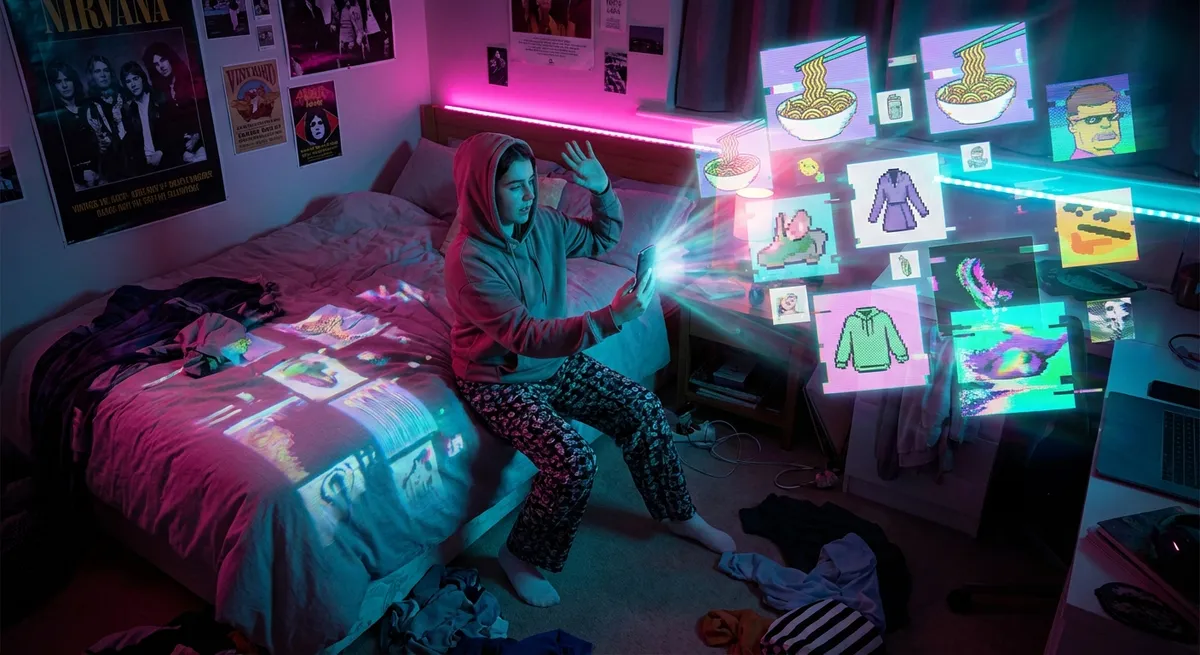
We’re talking text convos turned into mini soap operas, Notes app confessionals styled like magazine spreads, and calendar screenshots used as “photo dumps” for chaotic schedules. People aren’t just posting polished photos—they’re posting proof. It feels raw, it feels messy, and it feels weirdly cinematic.
This format hits hard because it taps into voyeur energy without oversharing too much. You see a cropped chat bubble, a red notification badge, a half-hidden name—your brain fills in the drama. It’s relatable, remixable, and ridiculously easy to copy: just screen, crop, caption, post.
Creators are stacking this with voiceovers, lo-fi audio, and subtitles to tell multi-part stories entirely through screenshots. It’s like reality TV, but your lock screen is the director.
2. Low-Effort Aesthetic: “I Barely Tried” Is the New Flex
The era of perfectly curated feeds is glitching out. Enter: the low-effort aesthetic.
You’ve seen it—casual mirror selfies with no pose, blurry friend pics, random ceiling shots, grainy zoom-ins, and captions that read like inside jokes with zero context. The point isn’t perfection; it’s vibes. People want to look like they didn’t try, even when they tried very hard to look like they didn’t try.
This trend is fueled by burnout from hyper-curated influencer culture and a growing craving for “unfiltered but still cool” energy. It’s authenticity, but branded. Brands are even catching on, swapping glossy campaigns for “oops, we just snapped this on the way out” photos to feel more human.
If you’re posting, the move is simple: lower the pressure, raise the personality. Imperfect lighting? Keep it. Weird framing? Post it. The more it feels “too casual to be content,” the more likely it is to be content.
3. Comment-Section Comedy: Where the Real Show Happens
On a lot of posts, the video or picture is just the setup—the punchline lives in the comments.
Top comments are basically micro-tweets now: savage one-liners, niche references, fake “official” announcements, or overly dramatic reactions that collect more likes than the original post. People will sit in the comments like it’s a group chat, replying with memes, GIFs, and new jokes stacked on top of old ones.
This comment culture is turning ordinary content into community events. A single clever comment can launch an entire joke format, get screenshot and reposted across apps, or even turn random users into mini-creators just off their replies. Brands are hiring people specifically to be funny in comments because it’s become prime exposure real estate.
If you’re trying to grow, don’t just post—comment like a comedian at an open mic. The funniest replies win followers.
4. Cross-App Identity: One Core Persona, Four Different Feeds
You’re not just “online” anymore—you’re multiverse online.
The same person now often runs totally different versions of themselves across apps: chaos on TikTok, aesthetic on Instagram, unhinged thoughts on X, professional on LinkedIn, wholesome on Pinterest, chaotic-smart on Reddit. Instead of one single “brand,” people are leaning into platform-specific personalities, treating each app as a different stage.
This lets creators test content in different ecosystems: a raw idea on Stories, a polished version on Reels, a long-form breakdown on YouTube, a spicy take on X. Followers who love you most will track you across apps, getting different parts of your personality like bonus levels.
The power move now is intentional fragmentation. Post with the assumption that your audience knows you in pieces—and use each platform to show a side of you that makes sense for that crowd.
5. Real-Time Reaction Culture: Living Events Through Other People’s Screens
Big moments don’t just “trend” anymore; they become reaction ecosystems.
Awards shows, celebrity drama, major game wins, viral scandals, brand fails—before you even see the original event, your feed is already full of reaction videos, stitches, duets, live tweets, watch parties, and recap threads. You’re not just seeing what happened; you’re seeing how everyone feels about what happened in real time.
This reaction culture turns everyone into a commentator. You don’t need to break news—you just need to break it down. People follow creators not only to see events, but to know how to feel about them, whether that’s rage, comedy, chaos, or comfort. It’s collective processing disguised as content.
Want in? The window is short. Jump into the moment while it’s still forming: screen-record, stitch, respond, quote, recap, or meme it. Speed matters more than perfection in this lane—if you’re fast and funny, you’re first.
Conclusion
Social media isn’t just about trends anymore; it’s about micro-moments—tiny formats, fast shifts, and niche behaviors that quietly rewrite how we post, comment, and connect.
Screenshot storytelling, low-effort aesthetics, comment-section comedy, cross-app identities, and real-time reactions are reshaping how virality looks and feels. They’re easy to copy, fun to remix, and built for sharing—which is exactly why they spread so fast.
If you want to stay ahead of the feed, stop chasing last month’s trend and start watching how people behave online today. The next viral wave won’t just be a dance or a sound—it’ll be a new way to use the apps you already scroll every day.
Sources
- [Pew Research Center: Social Media Fact Sheet](https://www.pewresearch.org/internet/fact-sheet/social-media/) - Data on how people use major social platforms and shifts in usage patterns
- [Harvard Business Review: When Social Media Becomes “Content”](https://hbr.org/2023/03/when-social-media-becomes-content) - Analysis of how users and brands adapt their posting styles and identities
- [NYTimes: The Internet Made “Casual Posting” Cool Again](https://www.nytimes.com/2023/04/07/style/casual-instagram-photo-dumps.html) - Explores the rise of low-effort, “casual” posting and photo dumps
- [BBC: How TikTok Changed the Way We Watch and React](https://www.bbc.com/news/technology-66659380) - Discusses TikTok’s impact on reaction culture and short-form trends
- [MIT Technology Review: The Power of Online Comment Sections](https://www.technologyreview.com/2021/06/09/1026000/the-secret-life-of-comment-sections/) - Looks at how comment sections shape engagement and online communities
Key Takeaway
The most important thing to remember from this article is that this information can change how you think about Social Media.