The internet isn’t just changing fast—it’s mutating in real time. One week you’re doomscrolling, the next you’re soft-launching a whole new online personality. In 2025, it’s not just about the latest meme or challenge; it’s about how people are using the internet to flex, connect, escape, and reinvent themselves. These five trending shifts aren’t just passing fads—they’re the new playbook for anyone who wants to stay ahead of the feed.
1. The “Alt-Life” Timeline: People Are Quietly Curating Second Selves
The main account is no longer the main character. More people are running “alt lives” online: private TikToks, close-friends-only IG Stories, burner Twitters (X), locked Finstas, and anonymous Reddit or Discord identities that feel more real than their public profiles.
Instead of one polished digital identity, users are splitting into multiple “selves” for different audiences—professional, chaotic, aesthetic, and anonymous. This lines up with research showing that social media can pressure people into managing their image like a brand, so they create side spaces where they can drop the performance and be unfiltered.
Alt-lives also create micro-communities where inside jokes, niche interests, and vulnerable confessions feel safer than going viral on main. It’s less “look at me” and more “these are my people.” Expect more people to brag jokingly about their “real account” being the one with 34 followers and unhinged posts.
2. Comment Sections Are the New Group Chats
Scroll any viral post and the top comments often hit harder than the content itself. Comment sections have evolved from throwaway reactions into full-blown micro-shows: live debates, crowd-sourced reviews, spoiler threads, mini therapy sessions, and roast battles.
Users now treat comment sections like massive group chats where strangers become instant co-watchers. Brands and creators have noticed—many are designing content specifically to spark comment wars, confession chains, or “tag your friend who…” spirals that pump engagement.
We’re also seeing “comment celebrities”—users whose replies consistently go viral and build their own followings off witty or brutally honest takes. The line between audience and creator is blurring; sometimes the real content is the chaos happening under the post, not on top of it.
3. Quiet Flex Culture: Low-Key Luxury, High-Key Relatability
The loud flex is out; the quiet flex is in. Instead of in-your-face wealth posts, people are leaning into “soft” signals: subtle product placements, cozy-but-pricey home aesthetics, low-key travel, and “day in my life” vlogs that casually feature $7 coffees and designer basics without shouting about it.
This shift matches a wider move toward “aspirational but believable” content. Audiences are calling out unrealistic lifestyles—especially as cost-of-living struggles trend alongside luxury unboxings. So creators and regular users have adapted with a vibe that whispers, “My life is put together,” while pretending it just happens to look like that.
But make no mistake: this is still flexing—just with better PR. The new status symbol is effortlessness. If it looks like you’re trying too hard, the internet will clock it instantly. The real win online is now: “I’m thriving, but I’m totally chill about it… kind of.”
4. Micro-Niche Obsessions: Hyper-Specific Is the New Mainstream
The internet’s next big thing is actually a million tiny things. Instead of gigantic, everyone-knows-it trends, we’re seeing micro-niches explode: hyper-specific TikTok cores, ultra-targeted subreddits, strangely specific Instagram aesthetics, and fandom-style Discords for literally anything.
Algorithms are feeding this by serving content that’s weirdly accurate to your tastes—bookTok for one person, slime-cleaning videos for another, “study with me” livestreams for a third. Research shows recommendation systems can create highly personalized “bubbles” of content, and users are leaning into it. Being niche isn’t cringe anymore; it’s a personality flex.
This means trends don’t always go “global”—they go deep. A sound, meme, or in-joke can be absolutely massive inside one digital pocket and totally invisible in another. The future of viral isn’t one giant wave; it’s a storm of tiny ripples, each with its own loyal fanbase.
5. Real-Time Reality: Streams, Lives, and Digital “Hanging Out”
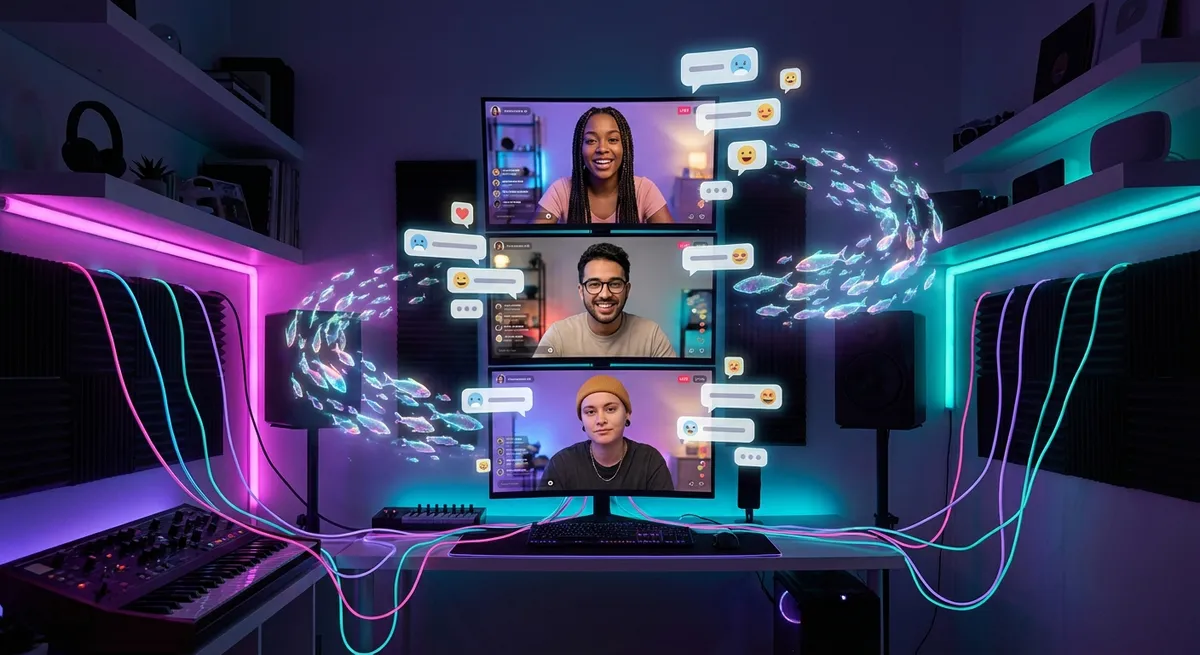
We’ve officially entered the “always-live” era. People aren’t just posting finished content—they’re streaming the process, the boredom, the late-night chaos, the “I just need to talk to someone” moments. Livestreams, co-watching, gaming streams, “study with me” sessions, and IRL streams turn the internet into a 24/7 living room.
This is partly a reaction to perfectly edited content. Users are craving unfiltered, unedited moments that feel like you’re actually there with someone. Studies show that loneliness has been rising globally, and many people turn to social platforms and live formats to feel less alone—even when they never speak in chat.
The wild part? The line between creator and viewer is melting. Viewers suggest ideas, influence what happens on stream, and sometimes become the content themselves. The feed used to be a highlight reel; now it’s a live window into strangers’ days, and people are happy to leave it open in the background like digital company.
Conclusion
The future of internet culture isn’t just “What’s viral right now?”—it’s “How are we using the internet to feel seen, safe, entertained, and connected?” Alt-lives, power-commenting, quiet flexing, micro-niches, and real-time hanging out aren’t random quirks; they’re blueprints for how the next era of online life will feel.
If you want to stay ahead of the feed, watch behaviors, not just memes. The posts will change, the sounds will swap, the platforms will rebrand—but these five shifts are already rewriting the rules of how we exist online. Screenshot them, send them to the group chat, and then check: how many of these are you secretly doing already?
Sources
- Pew Research Center – Social Media Fact Sheet - Data on how people use social media across platforms and age groups
- APA – Social Media and Mental Health - Discusses social media, isolation, and why people seek online connection
- Harvard Business Review – The Future of Social Media - Explores how social platforms are evolving and shaping user behavior
- MIT Technology Review – How TikTok Reads Your Mind - Deep dive into algorithm-driven personalization and micro-niche feeds
- World Health Organization – Mental Health and the COVID-19 Pandemic - Context for rising loneliness and why digital spaces became social lifelines
Key Takeaway
The most important thing to remember from this article is that this information can change how you think about Internet Trends.