The feed is not dead—it’s just evolving faster than your screen can refresh. Social media in 2026 isn’t just about posting; it’s about building mini-worlds, hopping trends at light speed, and turning every swipe into a statement. From “close friends” chaos to AI-assisted everything, the way we show up online is getting a major upgrade.
Let’s break down the new vibes taking over your favorite apps right now—five trending shifts that are super shareable, wildly relatable, and low‑key changing how we live online.
1. Close Friends Chaos: The Rise of the Semi-Private Internet
Public posts are polished. Close friends stories? Absolute unhinged cinema.
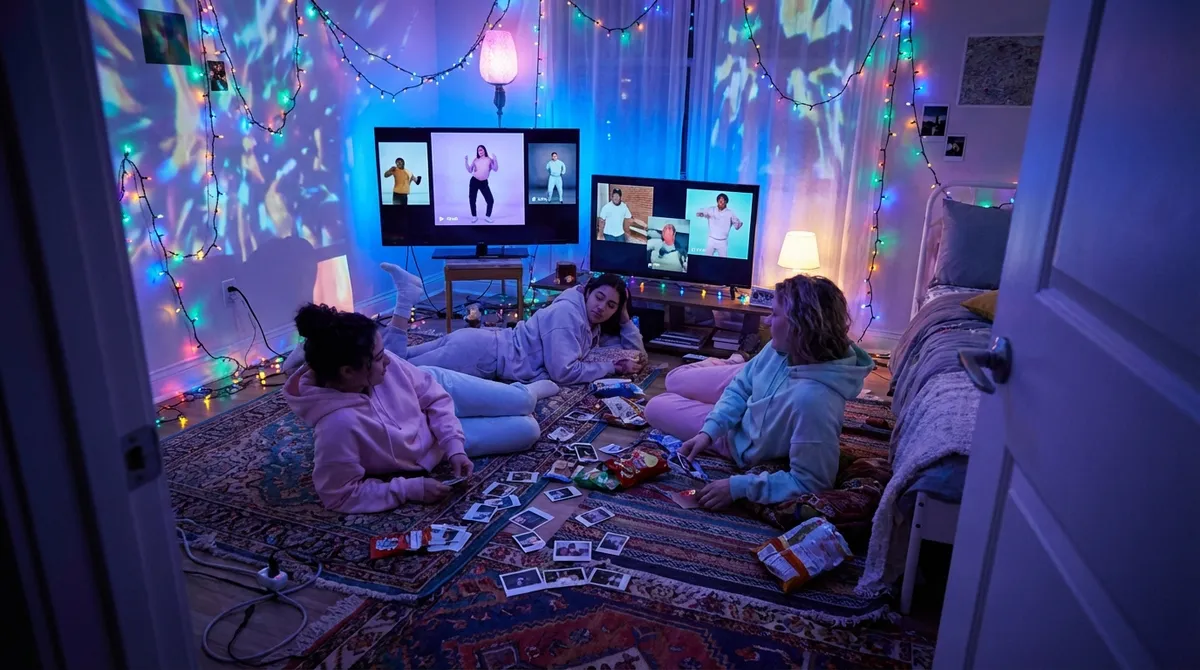
More people are moving their real selves behind semi-private walls—Instagram Close Friends, Twitter/X Circles (RIP but replaced by private lists and locked accounts), private Snapchat stories, and tight-knit Discord servers. Instead of chasing mass likes, users are chasing safe spaces where they can be messy, honest, and hilarious without it showing up in a recruiter’s Google search.
We’re seeing a soft split: the “public you” is curated, aesthetic, and brand-ready, while the “close circle you” is chaotic, unfiltered, and meme-heavy. This isn’t just vibe-based; it’s survival. With cancel culture, screenshot culture, and searchability everywhere, people are reclaiming their privacy in micro-communities.
Platforms are responding too—Instagram is testing more group-focused features, WhatsApp communities are booming, and even TikTok is leaning into friends-only posts. The new flex isn’t having a viral tweet; it’s being in the secret story no one talks about publicly.
2. Comment Section Culture: Where the Real Show Actually Happens
You know it’s real when you tap a post and scroll straight to the comments.
Comment sections have turned into full-blown entertainment hubs: comedy specials, group therapy, live debates, and sometimes, absolute chaos. For many users, the actual content is just the trailer—the comments are the movie. Brands are jumping in with sassy replies, creators are pinning fan-made punchlines, and strangers are building entire inside jokes under a single video.
On TikTok, “comment POVs” and top comments often define how a video is perceived. On Instagram, comment threads under celebrity posts or viral memes feel like live events. Even YouTube creators are designing videos around comment prompts, turning comment sections into collaborative writing rooms.
The new rule of social media: don’t just post for your audience; post with them. If your comments are dry, your content probably is too.
3. AI-Assisted Everything: The Quiet Glow-Up Behind Your Feed
No, you’re not imagining it—everyone’s content suddenly looks suspiciously clean.
From AI caption generators to background removers, auto-editing tools, and smart filters, AI has become the silent co-creator behind a ton of posts. You don’t have to be a pro editor to drop studio-level transitions on TikTok or color-correct like a photographer on Instagram. Apps are doing the heavy lifting with one-tap templates, auto-cut reels, and AI tools that turn rough clips into scroll-stoppers.
Even creators who swear they’re “doing it all manually” are often using AI for ideas, hooks, or script outlines. Meanwhile, recommendation algorithms are using machine learning to decide what you see next—meaning AI doesn’t just help you make content; it helps decide if anyone sees it at all.
What’s wild is how casual this has become. AI isn’t just futuristic tech anymore; it’s built into the filters, trending sounds, and editing features you’re already using without thinking. The next wave? Hyper-personalized feeds and content tailored to your exact micro-interests, all powered quietly in the background.
4. Nostalgia Feeds: Why the Internet Feels Weirdly Retro Again
Suddenly, your feed looks like it time-traveled. Camcorder filters, MySpace-era poses, early 2000s aesthetics, grainy photos, Y2K fonts—nostalgia is everywhere.
People are using social media to romanticize simpler internet eras: when posts weren’t over-optimized, when selfies were chaotic, and when you didn’t have to think about “personal branding” before uploading a random pic. TikTok is full of “photo dumps,” “random moments from my life that feel like a movie,” and edits that look like they were recorded on a flip phone.
This isn’t just about vibes; it’s emotional. After years of hyper-curated feeds and pandemic-era doomscrolling, nostalgia content offers comfort—reminding people of times that feel safer or slower (even if that era had its own chaos). Platforms are leaning in too: Instagram’s filters, retro editing apps, and even Spotify’s throwback playlists are feeding that longing.
Your feed is no longer just a highlight reel of now; it’s a mixtape of then and now, stitched together with retro aesthetics and future tools.
5. Micro-Fandom Energy: Tiny Communities, Massive Obsession
Not everyone is chasing “main character energy” anymore—some people just want their people.
Micro-fandoms are exploding: super-niche interests with insanely loyal communities. Think hyper-specific meme pages about one TV side character, fan cams for the most random athlete, entire TikTok lanes for people who are obsessed with a single snack brand or micro-influencer. Threads, Reddit, Discord, and TikTok are where these fandoms live, grow, and spiral.
What’s different now is how public and organized they’ve become. Fans run translation accounts, stream parties, theory pages, clip channels, and meme hubs. They trend hashtags, push songs up the charts, rescue canceled shows, and even influence what brands do next. Brands are finally catching on that it’s not just about big numbers; it’s about intense numbers—people who comment, share, defend, and ride for their niche 24/7.
On social media today, you don’t have to be famous to have a fandom—you just need to be specific enough for people to say, “Wait, that’s so me” and hit follow.
Conclusion
Social media isn’t just one big “internet culture” anymore—it’s layered, splintered, and getting deeply personal. We’re seeing private chaos in close friends stories, public comedy in comment sections, AI working quietly behind the scenes, nostalgic vibes softening our feeds, and micro-fandoms turning niche passions into full-blown movements.
If you want to thrive in this era, think less “how do I go viral?” and more “how do I make this feel real, specific, and shareable to my people?” The internet may feel louder than ever, but the magic is happening in the pockets of authenticity, creativity, and community you carve out for yourself.
And somewhere in between your main feed and your secret story…that’s where the real you is going viral.
Sources
- [Pew Research Center – Social Media Fact Sheet](https://www.pewresearch.org/internet/fact-sheet/social-media/) - Data on how people in the U.S. use social media platforms and how this is changing over time
- [MIT Technology Review – How TikTok Ate the Internet](https://www.technologyreview.com/2024/01/03/1084900/how-tiktok-ate-the-internet/) - Explores TikTok’s influence on recommendation algorithms, trends, and content formats
- [Harvard Business Review – How AI Is Changing Creativity in Marketing](https://hbr.org/2023/06/how-ai-is-changing-creativity-in-marketing) - Breaks down how AI tools are reshaping content creation and branding online
- [The New York Times – The Internet Is Powered by Fan Communities](https://www.nytimes.com/2023/08/10/arts/fandom-online-communities.html) - Discusses the power of online fandoms and micro-communities across platforms
- [BBC – Social Media and the Age of Nostalgia](https://www.bbc.com/culture/article/20230606-how-nostalgia-took-over-social-media) - Looks at why nostalgic aesthetics and throwback content are dominating social feeds
Key Takeaway
The most important thing to remember from this article is that this information can change how you think about Social Media.