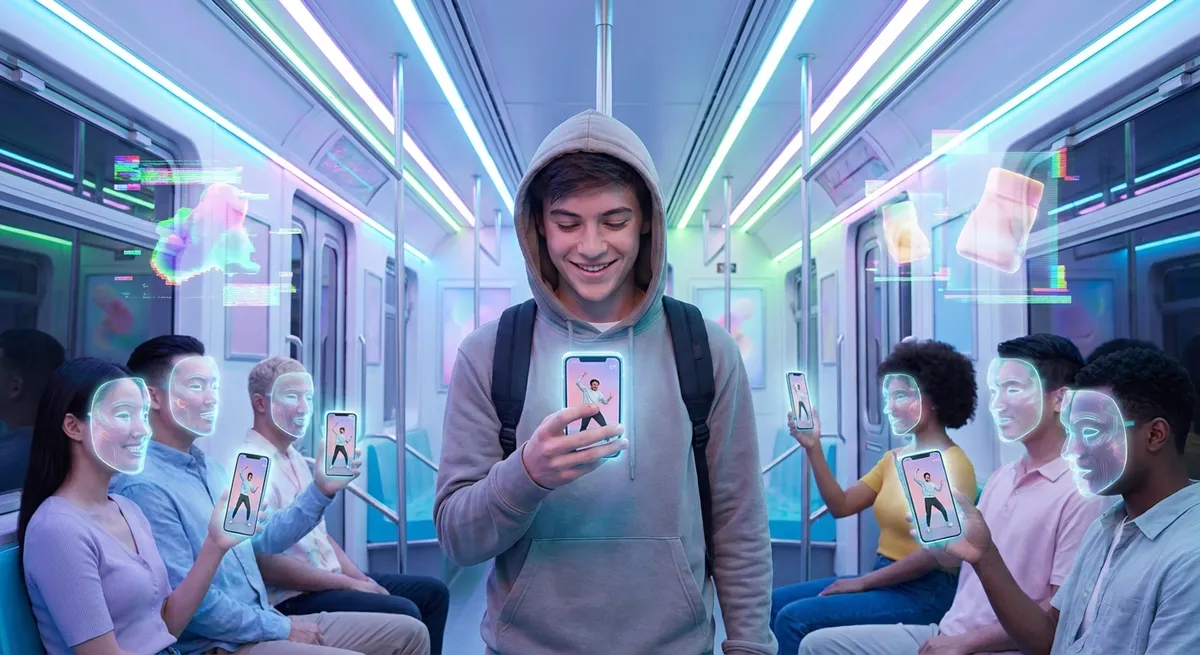
Open your app, swipe twice, and tell the truth: does it feel like you’re watching the same video… on repeat… from five different people? You’re not imagining it. The internet has entered the “copy‑paste but make it viral” era, where trends spread faster than you can type “algorithm.” Creators, brands, and even your cousin’s side hustle page are all leaning into the same formats, sounds, and aesthetics—and somehow, it’s working.
Let’s break down the five trend waves quietly cloning our feeds right now—and why they’re so addictive you’ll probably hit share anyway.
1. The “Template Trend”: Plug-In Content, Instant Virality
We’ve hit the era of plug‑and‑play clout.
Instead of inventing something from scratch, creators are grabbing trending “templates” and dropping their own twist into a pre‑proven format. Think: a specific audio + caption structure + camera angle that everyone copies, from huge influencers to tiny niche accounts.
You’ll see it as:
- The same catchy audio with a different “when you…” punchline.
- A recurring green screen format with people reacting to screenshots or tweets.
- A viral story-time style—same hook, same pacing, new chaos.
It works because the algorithm already “trusts” the format. Platforms like TikTok and Instagram Reels push posts that match what’s already getting high watch time and fast engagement, so creators piggyback on the momentum instead of starting from zero. The twist is the currency: the more specific, relatable, or unhinged your version is, the more people feel like they have to send it to a friend who “would so get this.”
In the template era, originality isn’t about inventing the frame—it’s about what you dare to put inside it.
2. Screenshot Storytelling: Turning Your Camera Roll Into Content
Your camera roll is officially a content studio.
One of the strongest trends right now is “screenshot storytelling”: creators turning text messages, notes app confessions, search histories, DMs, and random screenshots into mini soap operas for the feed. Instead of polished video, it’s pure digital drama—frozen moments layered with captions, voiceovers, or chaotic zoom‑ins.
Why people can’t stop sharing it:
- It feels voyeuristic—but safe. You’re peeking into “someone’s” life without actually knowing them.
- It’s perfect for short attention spans. No setup, no backstory, just instant context.
- It mirrors how we already live: texting, scrolling, and screen‑grabbing everything.
This format thrives because social platforms reward “hook in two seconds” content, and nothing hooks faster than a half‑read text thread with “WE NEED TO TALK” at the top. Expect this to evolve into even more mixed-media storytelling: screenshots plus AI voices, stitched reactions, and layered commentary until one simple chat spirals into a full-blown community debate.
3. Micro‑Niche Chaos: Hyper‑Specific Communities Going Mainstream
The internet used to have big, obvious fandoms. Now? It’s all about micro‑niches so specific they sound made up—until you realize they’ve got millions of views and their own in‑jokes.
We’re talking:
- Hyper‑niche aesthetics (not just “cottagecore,” but oddly specific vibes and micro‑labels).
- Obscure hobbies suddenly becoming main feed (pickleball, niche crafting, hyper‑focused fitness, ultra‑specific food trends).
- Tiny subcultures getting algorithm boost and crossing into mainstream feeds.
What’s actually happening: platforms are testing new communities in your feed to see what you latch onto. If you pause on one oddly calming video, suddenly you’re in a whole subculture you didn’t know existed. That “you’re the only one seeing this side of the internet” feeling is addictive—but it’s also engineered. Social apps are now discovery engines first, social networks second.
People share niche content because it feels like a secret handshake: “If you get this, you’re one of us.” The weirder the niche, the better the share value.
4. The Silent Flex: Low‑Key Bragging Disguised as “Just Posting”
Loud flexing is out; subtle signaling is in.
Instead of obvious luxury and brag posts, we’re getting “casual” content that secretly screams status, taste, or hustle—with just enough deniability baked in.
You’ll recognize it as:
- “Day in my life” vlogs that just happen to include brand‑name everything and enviable routines.
- “What I ordered vs. what I got” posts that double as lifestyle or travel flexes.
- “Soft life” and “quiet luxury” clips curated to feel effortless, but meticulously staged.
This soft flex trend works because it hits the sweet spot: aspirational but not obnoxious. It leans into authenticity aesthetics (unfiltered clips, handheld camera, casual voiceover) while still showcasing the life upgrade everyone wishes they had. It’s less “look how rich I am” and more “look how aesthetically optimized my chaos is.”
Sharing these posts lets people signal their taste and goals without saying a word: “This is the vibe I’m trying to be on.”
5. Comment Section Culture: Where the Real Content Lives
Watch the clip—but stay for the comments.
One of the biggest shifts in internet behavior: the comments are now part of the main show, not an afterthought. Entire trends are born, boosted, and ended in the comment section.
Here’s how it plays out:
- Top comments become catchphrases, remixes, or standalone memes.
- Creators build follow‑up videos responding to comments as content.
- Viewers treat the comment section like a group chat, riffing and role‑playing.
Platforms are leaning into this by surfacing popular comments and making replies highly visible—basically turning every post into a mini forum. The “you had to be there” energy lives in the thread, not just in the main clip.
People share posts for the comments as much as the video: “Don’t just watch—read the comments right now.” When the audience becomes co‑creator, virality isn’t just about what you post, but how your community drags, hyped, or jokes it into legend.
Conclusion
The internet isn’t just serving content anymore—it’s serving formats, behaviors, and micro‑cultures that we all plug into without even realizing it. Our feeds are starting to mirror each other because the same viral blueprints are bouncing around every platform, constantly being re‑skinned with new faces, new jokes, and new drama.
From template trends and screenshot sagas to micro‑niche worlds, silent flexes, and comment‑section chaos, today’s viral content isn’t about being the first—it’s about being the most relatable remix.
So next time your FYP feels like déjà vu, don’t fight it. Screenshot it, remix it, drop your twist… and watch how fast your corner of the internet joins in.
Sources
- Pew Research Center – Social Media Fact Sheet - Data on how people use social media and how those habits are changing
- TikTok Newsroom – How TikTok Recommends Videos - Official explanation of TikTok’s recommendation system and For You page
- Meta – How Instagram Ranking Works - Breakdown of how Instagram ranks and recommends content in different surfaces
- MIT Technology Review – The Hidden Algorithm Behind TikTok’s Success - Analysis of the recommendation logic that shapes modern internet trends
- NYTimes – On TikTok, the Algorithm Really Is the Star - Explores how algorithm-driven feeds create viral moments and copycat trends
Key Takeaway
The most important thing to remember from this article is that this information can change how you think about Internet Trends.