Internet culture isn’t just about memes and trending audios anymore—it’s about allegiance. The modern web runs on fandom energy: hyper-dedicated communities that can crash apps, flip brand reputations overnight, and turn obscure creators into global headliners. From K‑pop stans to “core” aesthetics to hyper‑niche Discord servers, fandom isn’t a side quest—it’s the main storyline of the online era.
Let’s dive into how stan culture is reshaping trends, timelines, and the way we hype literally everything.
The Rise of “Micro-Fandoms” for Literally Everything
You’re not just online—you’re in something. A show, a streamer, a skincare brand, a productivity app, even a font can have a fandom now. Instead of a few mega-fandoms dominating the internet, we’re seeing micro-fandoms explode around hyper-specific interests.
These micro-communities thrive on platforms like TikTok, Reddit, Discord, and niche corners of X (Twitter), where algorithms reward ultra-targeted content. The more specific the obsession, the stronger the bond: cottagecore readers, “slow living” vlog fans, specific K-pop subunits, vintage camera collectors, and even people who stan note-taking apps.
This shift means your feed isn’t just “popular stuff”—it’s fandom-shaped. Your likes, comments, and search habits teach platforms which micro-fandoms to feed you. That’s why you suddenly end up on “enemies to lovers booktok,” “retro techtoks,” or “movie analysis Tumblr 2.0” and feel like you discovered a secret club. In reality, millions of people are in similar micro-worlds, just as obsessed as you are.
Brands, creators, and even news outlets are leaning into this, speaking directly to specific fandoms instead of trying to talk to “everyone.” If you feel like the internet is weirdly tailored to your most niche interest, that’s not an accident—it’s fandom doing its job.
Fandom as a Flex: Identity, Aesthetic, and Online Personality
Online, your fandoms are part of your personal brand. Being a “Swiftie,” “ARMY,” “booktok girlie,” “gaming goblin,” “Marvel nerd,” or “drama stan” is more than what you consume—it’s how you present yourself.
Usernames, bios, profile pics, and pinned posts act like mini billboards for your allegiances. People signal their communities with subtle cues: a song lyric in the bio, an inside-joke meme, fan art avatars, or even emoji codes. These signals act like a handshake—others in the fandom instantly recognize you as one of them.
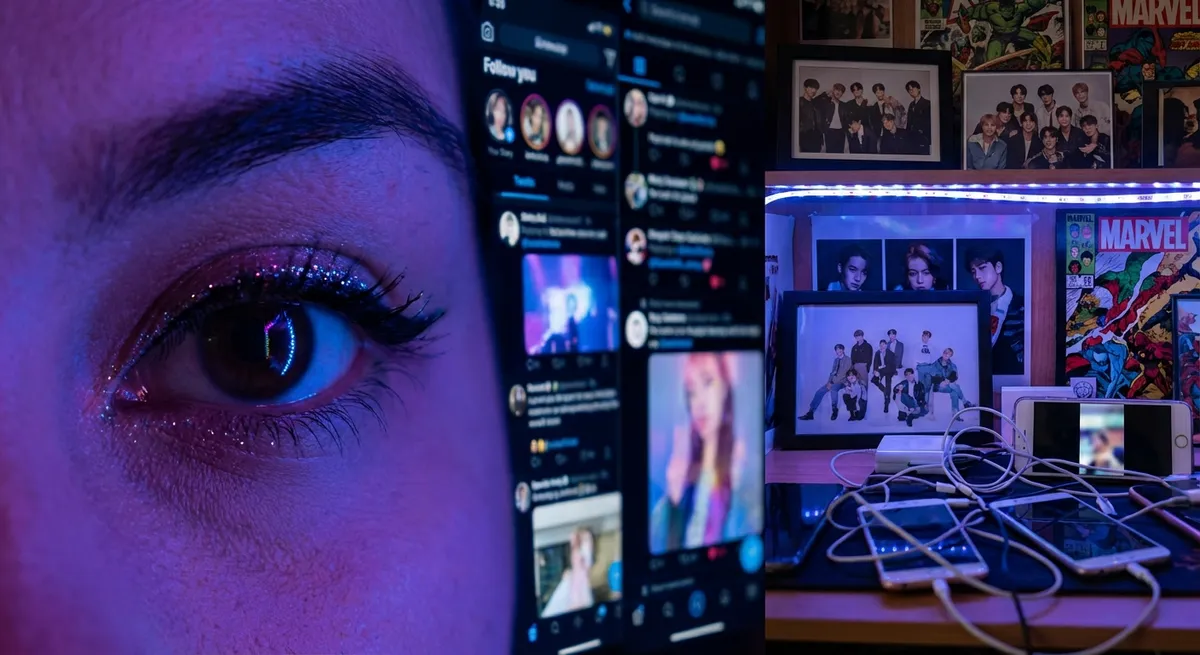
Aesthetics add another layer. “Fandom core” looks are everywhere: concert outfit dumps, color palettes matching an album era, room decor dedicated to a show or game, or note layouts inspired by a creator. TikTok and Instagram Reels especially turn fandom identity into visual content—your feed becomes an ongoing moodboard of what (and who) you stan.
The result? Your fandoms become social shortcuts. They influence who follows you, who interacts with your posts, which in-jokes you get, and even what recommendations you trust. On today’s internet, “Who do you stan?” is basically the new “What’s your sign?”
Power Moves: How Stans Can Make or Break Moments Overnight
Stan culture isn’t just noise—it’s clout with consequences. Fandoms can push songs up the charts, revive cancelled shows, sell out tours, and rewrite narratives in record time.
Streaming parties, hashtag campaigns, coordinated voting, and mass pre-orders are now standard fandom playbooks. You’ll see organized efforts to get a track trending on Spotify, a hashtag climbing Twitter/X rankings, or a show renewed after a “final” season. Fandoms often track metrics like chart positions, view counts, and award nominations like sports fans track stats.
This collective power also extends to accountability. When brands or public figures misstep, fandoms can amplify criticism, demand apologies, or push for changes. While this can veer into toxic territory if it turns into harassment, it also means communities can rally for good—raising money for charities, boosting awareness for social issues, or supporting creators facing unfair treatment.
Many entertainment companies now plan releases with fandom behavior in mind: teaser drops, cryptic hints, ARG-style rollouts, surprise tracks, or cast interactions tailor-made for fans to dissect and share. The lesson? If your fandom shows up united, the internet listens.
Remix Culture: Fans as Co-Creators, Not Just Consumers
The line between “fan” and “creator” has almost disappeared. Fandoms don’t just react—they remix, reinterpret, and expand the worlds they love.
Fan edits, fancams, fan art, reaction videos, cosplay, fancasts, playlists, and long-form analysis threads act like an entire parallel universe around the original content. TikTok edits can revive old shows and movies, fan-made trailers can spark new hype cycles, and fan theories can shape how people watch a series in real time.
On platforms like Wattpad, AO3, and Tumblr, fanfic communities have become storytelling powerhouses. Some fan creators parlay this into careers—book deals, studio jobs, or full-time content channels built on skills honed in fandom spaces. Even mainstream musicians and studios now nod to fandom trends, inside jokes, and headcanons in official releases.
This co-creation loop is what keeps fandoms alive between official drops. While an artist or studio is quiet, fandom content keeps the hype burning—reaction videos, live breakdowns, tier lists, ship debates, and meme cycles. You’re not just “watching a show”—you’re participating in an always-on, fan-powered spin-off.
The Dark Side & The Glow-Up: Navigating Healthy Standom
Fandom energy can be electric—but it can also overload the system. Dogpiling, parasocial obsession, harassment, and fan wars are the messy byproducts of hyper-intense online allegiance.
When people tie their self-worth to a creator or franchise, criticism can feel personal, leading to pile-ons against reviewers, journalists, or even other fans with different opinions or ships. Parasocial relationships—where fans feel like they personally know a creator—can lead to unrealistic expectations, invasions of privacy, or burnout for the person at the center.
The good news: many fandoms are actively evolving. You’ll see fan accounts reminding people to touch grass, respect boundaries, and support creators without crossing lines. There’s more open conversation about mental health, online safety, and how to enjoy your fandom in a sustainable way—muting tags during drama, setting screen time limits, supporting creators financially if you can, and remembering they’re real people, not characters.
Healthy fandom looks like this: hyping drops, sharing edits, making friends, raising money for causes, and logging off when it stops being fun. The future of stan culture isn’t less intense—it’s more self-aware.
Conclusion
The internet used to be about “going viral.” Now, it’s about who you’re viral with. Fandoms are the engines under almost every major online moment: the trending songs, the broken streaming records, the surprise revivals, the unexpected comebacks.
Whether you’re deep in one stan community or just fandom-hopping for the aesthetics, this culture is reshaping what it means to be “online.” Your favorite artists, shows, games, and creators aren’t just content—you’re part of their ecosystem.
So next time your feed feels like it’s speaking your exact language, remember: that’s fandom power. And you’re not just scrolling through it—you’re helping write it.
Sources
- Pew Research Center – Teens, Social Media and Technology - Data on how younger users engage with platforms and online communities
- BBC Culture – How Fandom Became a Religion - Explores the depth, rituals, and influence of modern fandoms
- MIT Technology Review – How Fandoms Rewrote the Rules of the Internet - Analysis of fandom power and its impact on online behavior and culture
- The New York Times – Inside the World of K-Pop Superfans - Real-world example of stan communities leveraging collective power
- Harvard University – Online Communities and Identity Formation - Research-backed insight into how digital communities shape personal identity and social behavior
Key Takeaway
The most important thing to remember from this article is that this information can change how you think about Internet Trends.