The main feed is boring—everyone knows the real internet lives in the side quests. While brands chase polished “aesthetic” content, users are quietly building a whole new layer of internet culture in DMs, niche groups, and hyper-specific trends that last 48 hours and vanish. This is the chaotic, unfiltered version of online life that people actually talk about in group chats—and it’s exactly what’s blowing up right now.
Let’s break down the 5 internet side quests powering the next wave of viral behavior.
1. Micro-Challenges: 24-Hour Internet “Daress” With No Official Hashtag
The era of month-long challenges is fading. The new wave? Hyper-short, hyper-specific micro-challenges that live and die in a day.
Instead of “30-day fitness” or “week-long glow-ups,” people are doing things like:
- “Only front camera for the next 24 hours”
- “Post one totally unedited photo, no explanations”
- “Record your reaction before you even hit play on that trending video”
What makes them viral is the speed. A screenshot of one friend’s Story dare turns into five new versions, which turns into a chain reaction of everyone doing their own scuffed version—before the algorithm even figures out what’s going on.
These micro-challenges work because:
- They require almost zero effort or planning
- They feel like an inside joke, not a campaign
- They reward spontaneity instead of perfection
- They live mostly in private circles, but spill just enough onto Reels/TikTok to spark curiosity
If you want in on the trend, don’t wait for an official hashtag. Treat every weird Story prompt as a mini “internet dare” and add your own spin before it gets old.
2. Screenshot Culture 3.0: Posts Are Temporary, Screenshots Are Forever
Everyone knows the real tea doesn’t live on the timeline—it lives in the screenshots.
The newest flex isn’t just posting; it’s curating the screenshots you send:
- Unhinged search histories
- Half-written notes app rants
- Abandoned drafts that never made it to the feed
- Group chat reactions that are funnier than the original post
- Private reactions become their own shareable content
- “Screenshot dumps” are replacing polished photo dumps
- People are treating their camera roll like a chaotic personal archive of internet life
We’re in Screenshot Culture 3.0, where:
Even big platforms are leaning into it: story-based, disappearing formats and vanishing messages are normal now, but the screenshot is the permanent record everyone trusts.
If you’re trying to go viral in 2024, don’t just think “What can I post?”
Think: “What would someone be excited to screenshot and send to three friends?”
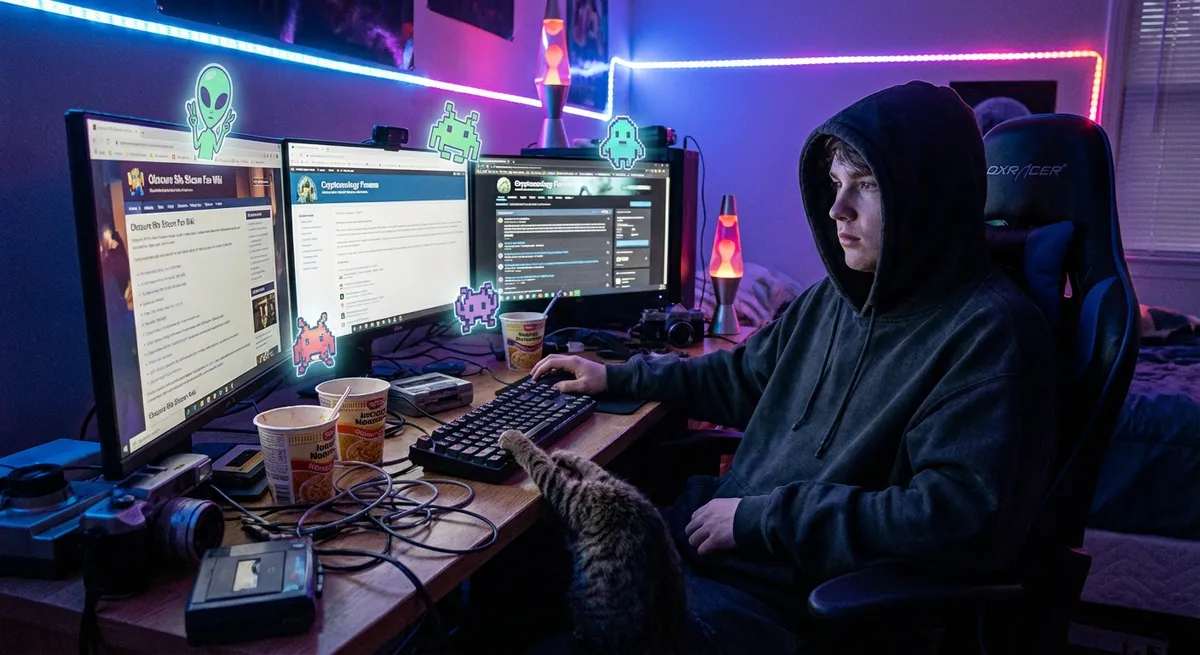
3. Background Flexing: The Stuff Behind You Is the Real Main Character
The foreground is for beginners. Advanced internet users know: the background is where the clout lives.
People are clocking:
- What’s on your shelves
- What tabs you accidentally showed in a screen recording
- The sticky note on your monitor during a Zoom
- The random stranger walking behind you in your vlog
- A messy room feels more relatable than a curated home tour
- A pet casually walking through frame steals the whole video
- A blurred-out whiteboard sparks more conspiracy theories than any caption
- Weird objects placed just off-center
- Mismatched decor that looks accidental but isn’t
- Small details only visible on pause or zoom
We’ve hit a new era where the “unintentional flex” goes harder than the planned content:
Creators are catching on and designing “chaotic but intentional” backgrounds:
If you want more saves, replays, and comments, stop over-optimizing your angle—and start treating your background as an Easter egg hunt.
4. Niche Identity Waves: Ultra-Specific Labels as Social Icebreakers
Posting “I’m an introvert/extrovert” is old internet. The new flex is inventing oddly specific identities that double as instant conversation starters.
Think:
- “I’m a ‘opens 23 tabs and finishes none’ kind of person”
- “I’m a ‘needs 3 hours to leave the house but will be 15 minutes early’ friend”
- “I’m a ‘forgets to respond but thinks about you daily’ communicator”
- They let people feel seen in oddly precise ways
- They’re insanely shareable (“this is so you”)
- They turn personality traits into tiny memes
- They work perfectly for duets, stitches, and quote-tweets
These hyper-specific self-labels are taking over because:
We’re watching a mini-identity revolution, where instead of big categories (Gen Z, Millennial, introvert), people are building micro-identities that feel warmer and more personal.
If you want to ride this trend, stop trying to be “relatable” and start being weirdly specific. The internet loves when you nail one oddly accurate sentence about yourself.
5. Anti-Highlight Reels: Bragging About How Un-aesthetic Your Life Is
The new rebellion against curated feeds isn’t just “being real”—it’s proudly chaotic.
Instead of flexing:
- Dream vacations
- Perfect gym routines
- Color-coordinated fridges
- Sleep schedules that make no sense
- Dinner that’s literally cereal in a mixing bowl
- Crooked wall art and half-built IKEA furniture
- 47 open notifications they refuse to clear
- They calm social comparison instead of fueling it
- They’re funnier, rawer, and way easier to replicate
- They feel safe to share—no need to “live your best life” first
- They turn “imperfections” into punchlines everyone understands
People are bragging about:
These anti-highlight reels are catching fire because:
This doesn’t mean polished content is dead. It means the counterweight is here: real-time, messy updates that feel like sending your best friend a chaotic voice note.
If you want more engagement, balance your highlight reel with a few “this is my actual life” drops. The comments on those posts? Always gold.
Conclusion
The loudest trends on your For You Page are only half the story. The real internet energy right now is hiding in side quests: micro-challenges that burn out in a day, screenshots passed around like digital gossip, backgrounds that tell more than the caption, ultra-specific identity labels, and proud anti-aesthetic chaos.
The common thread across all five trends:
People aren’t chasing perfection—they’re chasing recognition.
Not “you’re impressive,” but “you’re exactly like me.”
If you want to tap into what’s actually viral now, don’t just follow the big hashtags. Watch what your friends send in DMs, what gets screenshotted, and what people laugh at in private group chats.
That’s where the next wave of internet culture is already living.
Sources
- [Pew Research Center – Social Media Fact Sheet](https://www.pewresearch.org/internet/fact-sheet/social-media/) - Data on how people are currently using major social platforms
- [MIT Technology Review – How TikTok Ate the Internet](https://www.technologyreview.com/2021/09/30/1036149/how-tiktok-ate-the-internet/) - Explores how short-form, rapid trends reshape online behavior
- [BBC Future – Why We Love Sharing Memes](https://www.bbc.com/future/article/20210719-why-we-love-sharing-memes) - Psychological insight into why we share relatable, funny content
- [New York Times – The Sneaky Power of Screenshots](https://www.nytimes.com/2023/02/28/style/screenshots-texts-social-media.html) - Looks at how screenshots drive private and public conversations online
- [Harvard Business Review – The Power of Authenticity in the Digital Age](https://hbr.org/2020/12/the-power-of-keeping-it-real) - Discusses why raw, unpolished content resonates with modern audiences
Key Takeaway
The most important thing to remember from this article is that this information can change how you think about Internet Trends.