The internet glow-up isn’t just about follower counts anymore—it’s about how you exist online. From “quiet flexing” to AI clones of yourself answering DMs while you sleep, the current wave of internet trends is less shouty, more strategic, and way weirder than it looks at first scroll.
Let’s break down the 5 most shareable, screen-grabbing shifts in online behavior that are quietly rewriting what “being viral” even means.
1. The Rise of the “Soft Main Character” Energy
Being the “main character” used to mean loud, chaotic, and constantly posting. Now? It’s a vibe shift. The new trend is soft main character energy—you’re still the star, but you’re not screaming about it.
Creators are leaning into:
- Lo-fi “day in my life” vlogs with minimal talking and maximal vibes
- Unedited clips with messy rooms, bad lighting, and honest chaos
- Captioned thoughts instead of polished monologues
- Micro-stories: 10–20 second slices of mood instead of full story arcs
It’s a flex that says: I’m interesting just by existing. This style thrives on TikTok and Reels, where people now binge subtle, cinematic clips of commuting, cooking, or doomscrolling in bed like it’s a full TV series.
Why it’s blowing up:
- Feels more real than overproduced “content”
- Easier for casual users to copy—no fancy gear needed
- Taps into burnout from hustle culture and perfection posts
Translation: people are done pretending they’re in a Marvel movie every day. Now they’re filming like they’re in an A24 movie instead.
2. AI Twin Culture: When You and Your Bot Share the Same Personality
AI filters were just the warm-up. The real trend now is AI twin culture—training bots, clones, and assistants to talk, type, and react exactly like you.
Different ways people are doing it:
- Creators building AI versions of themselves to answer fan questions 24/7
- Streamers using AI chatbots that “stay in character” while they’re offline
- Regular users feeding chatbots their texts, jokes, and voice notes so the bot can ghostwrite replies, captions, and even flirty DMs
It’s not sci-fi anymore: companies are rolling out tools that let you upload your content and spin it into a digital duplicate that feels freakishly familiar.
Why this matters for internet culture:
- Parasocial relationships get even blurrier when fans can “talk” to your AI twin
- People can scale their online presence without actually being online
- It raises big questions about consent, identity, and deepfake-level impersonation
The clout flex in 2025 and beyond might be: “I’m booked, busy, and still replying—because my AI twin never logs off.”
3. Micro-Niche Fandoms: Tiny Communities, Massive Obsession
The feed used to be about big, universal trends. Now, some of the most powerful internet movements are micro-niche fandoms so specific they sound like inside jokes:
- People who only post about airport carpets
- Hyper-dedicated fan cams for background actors
- Accounts obsessed with a single TV extra, NPC streamer, or fictional side character
- Ultra-specific aesthetic subcultures (like “corporate goth commuter” or “pastel techcore”)
These small-but-intense pockets of the internet have insane loyalty. They make fan art, in-jokes, remix edits, and lore for things most people scroll past without noticing.
Why micro-niches are exploding:
- Algorithms reward engagement density—a small group going wild beats a large group barely caring
- Being “in” on a tiny fandom feels exclusive and special
- Creators can stop chasing everyone and just serve their weird corner of the internet
The future of viral? Less “one meme for the whole world,” more “a thousand mini-obsessions quietly dominating your For You Page.”
4. Reality Hacking: Turning Offline Life Into Shareable Internet Moments
Instead of waiting for something viral to happen, people are designing their real life around what looks best on the feed. This is reality hacking—doing everyday things in a way that feels low-key cinematic and deeply postable.
What it looks like:
- Planning outfits and routes based on which streets have the best golden hour lighting
- Choosing restaurants and cafes purely because they photograph well
- Turning normal events—like a grocery run—into planned photo dumps
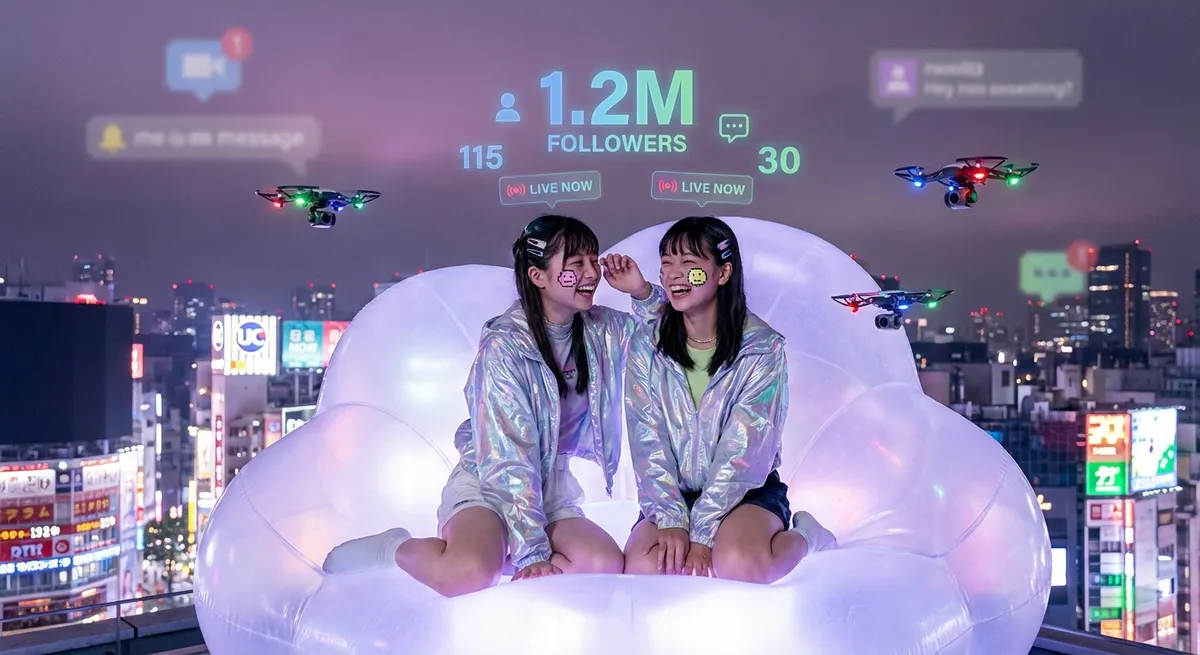
- Creating IRL “bits” with friends (matching jackets, the same pose every time, recurring jokes) that make their Instagram or TikTok feel like a visual sitcom
This isn’t just vanity; it’s a new creative language. Your physical world becomes a content set, and your friend group becomes a recurring cast.
Why people love it:
- Gives everyday life a sense of narrative and style
- Makes friendships feel like a shared creative project
- Feeds the algorithm and feeds your main character fantasy
The twist: when everything is potentially content, the line between “just living” and “performing life” gets very, very thin.
5. The “Unpolished Flex”: Wealth, Success, and Status Without Looking Like You Tried
Old-school flexing was all logos, cars, and luxury hauls. The new wave is unpolished flexing—posting in a way that says, “I have it like that… but I’m not even bothering to brag.”
Some of the new status symbols:
- Casual screenshots of ridiculous calendar schedules = “I’m in demand”
- AirPods in every story frame = “I’m always on a call” energy
- Background clues: a random $3,000 monitor in a “messy desk” pic, or a name-drop email shown “by accident”
- Offhand mentions of flights, cities, or projects without any big announcement
It’s strategic: people want the social proof without looking thirsty for it. So the flex is buried in “normal” content—almost like an Easter egg for those paying attention.
Why it works:
- Social media users are more skeptical of obvious bragging
- Feels more authentic but still aspirational
- Encourages followers to zoom, comment, and decode the hidden flex
In this era, the loudest status signal might be how chill you seem about having status at all.
Conclusion
Internet culture isn’t slowing down; it’s getting denser, stranger, and more layered. Soft main character energy, AI twins, micro-niche fandoms, reality hacking, and unpolished flexes are all part of the same shift: people want to feel real, creative, and important online—without looking like they’re trying too hard.
The next time you scroll, ask yourself:
Are you watching the trend… or accidentally starring in it?
Either way, this is your sign to screenshot, share, and maybe gently reinvent your own online era.
Sources
- TikTok’s influence on social media trends - The New York Times breaks down how TikTok keeps reshaping what goes viral and how people present themselves online
- AI avatars and digital identity - BBC News explores the rise of AI-generated versions of real people and what that means for identity and fan interactions
- Niche communities and algorithm culture - The Atlantic examines how hyper-specific communities form and thrive under modern recommendation algorithms
- Social media, self-presentation, and authenticity - A research article in New Media & Society on how users balance authenticity and performance on platforms
- Youth digital culture and status signaling - Pew Research Center report on how young users use social media to signal status, connect, and experiment with identity
Key Takeaway
The most important thing to remember from this article is that this information can change how you think about Internet Trends.