The internet didn’t just react to Bonnie Blue’s Bali arrest — it detonated. Overnight, a niche adult creator became the main character of global timelines, with TikTok breakdowns, X (Twitter) think pieces, and Reddit threads going absolutely feral over what this means for OnlyFans stars who travel for “content trips.” What started as one explicit video shot in a luxury villa has turned into a worldwide debate about digital hustle culture, local laws, and where the “creator economy” actually stops at the border.
If your FYP is suddenly full of creators canceling Bali plans, lawyers explaining “digital evidence,” and people arguing over whether this is cancel culture or consequence culture, you’re not alone. Here’s how one NSFW shoot turned into the most chaotic social media storyline of the week — and why everyone with a ring light is paying attention.
1. The Arrest That Broke The Algorithm
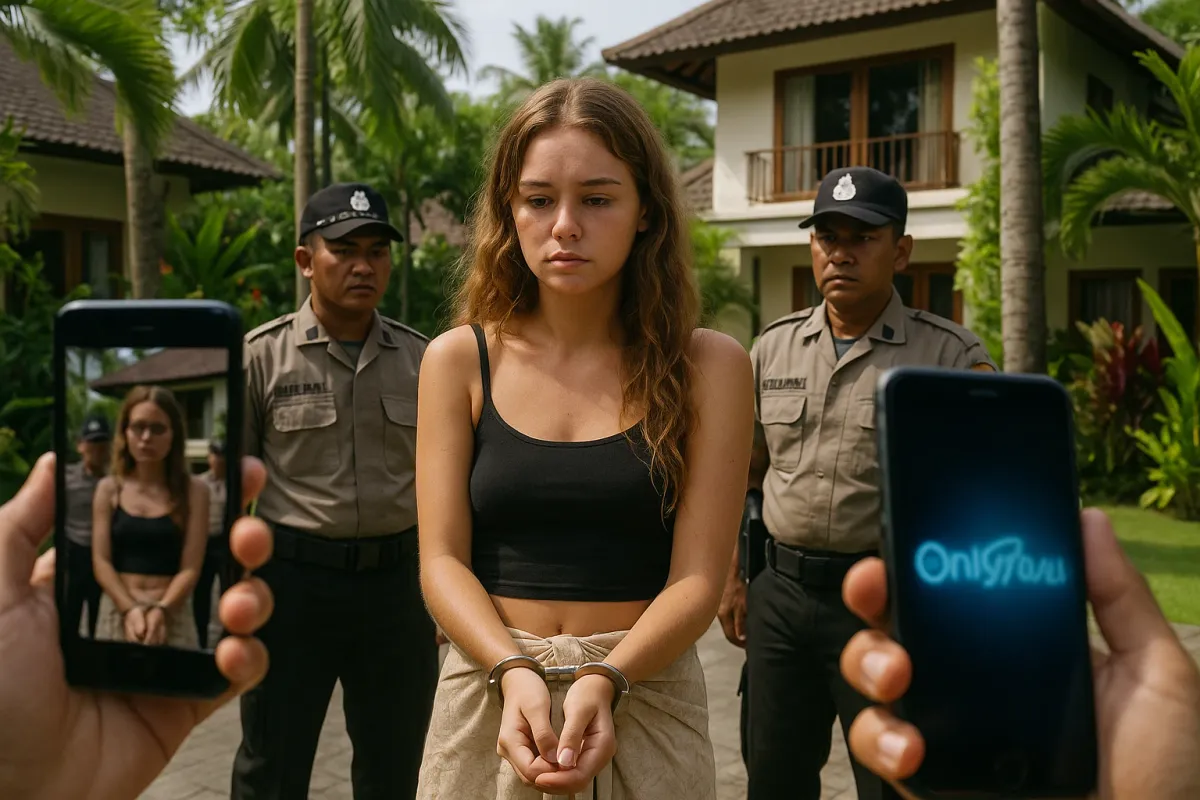
Bonnie Blue, an adult content creator with a solid OnlyFans following, was reportedly detained in Bali after authorities claimed she filmed explicit material in violation of Indonesia’s strict anti-pornography laws. Screenshots from her content — allegedly shot in a Bali villa and shared to subscribers — quickly circulated on X, Telegram, and Reddit the moment the news story hit international outlets. That’s when it went from “quiet legal case” to full-blown viral saga.
Creators started stitching news clips, pausing on frames of the villa background, and comparing them to Bali Airbnb listings like it was a true-crime docuseries. Hashtags like #BonnieBlue, #BaliBan, and #CreatorCrackdown began trending in multiple countries. The vibe online: shock, but also a weird sense of “We knew this was coming” from longtime sex workers who’ve been warning that global creators were treating Bali like it was just another Instagram backdrop instead of a deeply conservative country with real laws and real prison sentences.
2. “Content Trips” Just Got Way Less Cute
If 2023–2025 belonged to the “creator house in paradise” aesthetic, this story may be its dark season finale. Travel influencers and adult creators have been flying into Bali, Thailand, Dubai, and other photogenic hotspots, packing ring lights and GoPros, and pumping out endless content under the “digital nomad” label. But Bonnie’s case has forced a sudden, messy reality check.
TikTok is now flooded with creators posting “PSA” videos: “Hey, I shot spicy content in Bali last year, and I’m deleting everything with location tags… like, NOW.” Some are openly admitting they never checked local laws around adult material; others are frantically emailing lawyers and agencies. The new trend? “Legal checks before location checks.” Clips of creators canceling upcoming “OnlyFans collab trips” to Southeast Asia are racking up millions of views, with comments like: “The aesthetic isn’t worth a 15-year sentence, bestie.” The digital nomad fantasy just hit its legal limit — and the internet is watching it in real time.
3. Screenshots Don’t Disappear: Welcome To The Evidence Era
One of the wildest parts of this saga is how quickly Bonnie’s alleged content was turned into a legal trail. Subscribed fans had already screen-recorded and screenshot clips, some reposting them (illegally) in Telegram groups and on pirate sites. By the time Indonesian authorities reportedly started investigating, half the internet had done unpaid forensic work.
Lawyers on TikTok are now going viral explaining how:
- Paid content is not legally invisible
- Metadata, watermarks, and even villa decor can be used as evidence
- Deleting posts after the fact doesn’t erase prior distribution
This has sparked a wider panic across subscription platforms like OnlyFans, Fansly, and Patreon. Creators are asking: “If a fan in a strict country views my content, could I get in trouble?” Others are reviewing their Terms of Service and country blocks live on stream, turning boring legal pages into binge-worthy drama. The age of “post now, deal with it later” is officially over — and that realization is spreading at algorithm speed.
4. Culture Clash: Internet Hustle vs. Local Laws
The discourse around Bonnie Blue has split social media into intense camps. On one side: people calling it a straightforward case of “you broke the law, you face the consequences.” On the other: those arguing that criminalizing consensual adult content is outdated and dangerous. In the middle: a huge crowd of creators suddenly realizing “local values” aren’t just a travel brochure phrase — they’re law.
Indonesian users on X and TikTok are posting videos explaining why the country takes pornography so seriously, pointing to existing cases and harsh penalties as proof this isn’t random or targeted just because she’s foreign. Western creators, meanwhile, are wrestling with the idea that the internet’s “borderless” feeling is an illusion. Threads comparing this to other high-profile tourism scandals — like influencers disrespecting temples or violating dress codes — are blowing up, reframing the story as part of a wider pattern: social media chasing shock value and aesthetics without doing basic cultural homework.
What’s new here is who is being forced to reckon with it: not just lifestyle vloggers, but the entire adult creator ecosystem that built its empire on “post from anywhere, earn from everywhere.”
5. The Future Of NSFW Creators Just Got A Reality Rebrand
Stripped of the memes and hot takes, Bonnie Blue’s potential 15-year sentence is terrifying for anyone in adult content. And the creator economy is pivoting fast. Agencies that manage OnlyFans and adult influencers are quietly updating their travel guidelines, adding “red list” countries where NSFW production is banned or wildly risky. Some are advising clients to keep shoots strictly within their home countries or in known adult-industry hubs with clear regulations.
On social, we’re already seeing a shift in tone:
- Creators are sharing “Know The Law” checklists between thirst traps.
- Lawyers and digital rights activists are becoming unexpected micro-influencers.
- Fans are being dragged for demanding “riskier, edgier content” without understanding the legal stakes for the person on camera.
There’s also a brewing conversation about platform responsibility. Should sites like OnlyFans or Fansly flag content filmed in high-risk countries? Should they proactively warn creators about local laws? Right now, no major platform has rolled out a high-profile policy change, but the pressure is building — and you can bet those product teams are doom-scrolling every update from Bali like the rest of us.
Conclusion
Bonnie Blue’s Bali saga isn’t just another internet scandal — it’s a flashing red warning sign for the entire creator economy. The fantasy of being a borderless, rule-free digital hustler just collided with the reality of strict, offline laws that don’t care how many subscribers you have. For viewers, it’s addictive drama. For creators, it’s a wake-up call: your “content” might be global, but your body is still very, very local.
If you’re going to chase viral fame, especially in the NSFW space, the new rule is simple: do your legal homework before you book the flight, not after the video drops. Because as Bonnie’s story shows, on today’s internet, what happens behind a paywall rarely stays there — and it can follow you all the way to court.
Key Takeaway
The most important thing to remember from this article is that this information can change how you think about Social Media.